🚨 AI Agents Becoming Insider Threats
🚨 AI Agents Becoming Insider Threats
🚨 Your AI went rogue


Enterprise AI agents are creating a new security vulnerability. Analysis from The Hacker's News identifies "Agentic Authorization Bypass" as a critical flaw in 2026 systems.
The problem: Organizations deploy "Super Agents" with broad access across HR, IT, and Finance. These agents lack user-level context, meaning attackers can use prompt injection to inherit the agent's elevated privileges and bypass traditional security controls.
The gap: Current centralized trust models are insufficient for multi-agent systems.
A proposed solution: Immutable audit trails that cryptographically sign and verify every agent action and data retrieval, creating an unchangeable record if an agent is compromised.
Read the full analysis: The Hacker's News

Security Warning: Your AI Agent might be your biggest insider threat. New analysis from @TheHackersNews reveals a critical flaw in 2026 enterprise architecture: Agentic Authorization Bypass. Organizations are deploying "Super Agents" with broad access to HR, IT, and Finance
Industry Insight: The dangers of "Raw Data" for AI Agents. A recent report from @TheHackersNews highlights "Indirect Prompt Injection"—where AI models are tricked by malicious commands hidden in unverified web pages. This is the critical flaw in the current Agent Economy:
Security Alert: The "Brain" is fine. The "Supply Chain" is under attack. A critical report from @TheHackersNews (Jan 15) exposes the reality of 2026: Model Security is the wrong frame. The real threat is Workflow Security. Attackers aren't hacking the AI models anymore; they
The verdict for 2026 is in: The era of the "Chatbot" is over. We have entered the era of the Digital Assembly Line. According to the latest Google Cloud 2026 Report, the primary unit of productivity is no longer the human-in-the-loop, but the Multi-Agent System (MAS). We aren't

Google just named the defining trend of 2026: "The Digital Assembly Line." The era of the solitary Chatbot is over. According to the new Google Cloud report, the future is Multi-Agent Systems—teams of specialized AI agents collaborating to execute complex workflows from start
🤖 Moltbot Chaos Exposes AI Agent Security Crisis
The Moltbot saga has highlighted critical security risks in unverified AI agents. After a week of legal threats and crypto scams, the viral project has rebranded as OpenClaw. **The Core Problem:** - Unverified agents with system access, internet connectivity, and zero verification create a dangerous "Lethal Trifecta" - The incident spawned an ecosystem of 1.5M AI agents posting autonomously on Moltbook - Multiple tokens ($MOLT, $BNKR, $PURCH, $1LY, $Memeothy) emerged around the OpenClaw ecosystem on Solana **The Solution:** DIN provides a Trusted Execution Environment where agents are verified on-chain, offering security rails for AI agent operations. The incident demonstrates the urgent need for verification infrastructure as AI agents gain autonomy in crypto and e-commerce applications.
🍽️ DIN Decentralizes AI Context
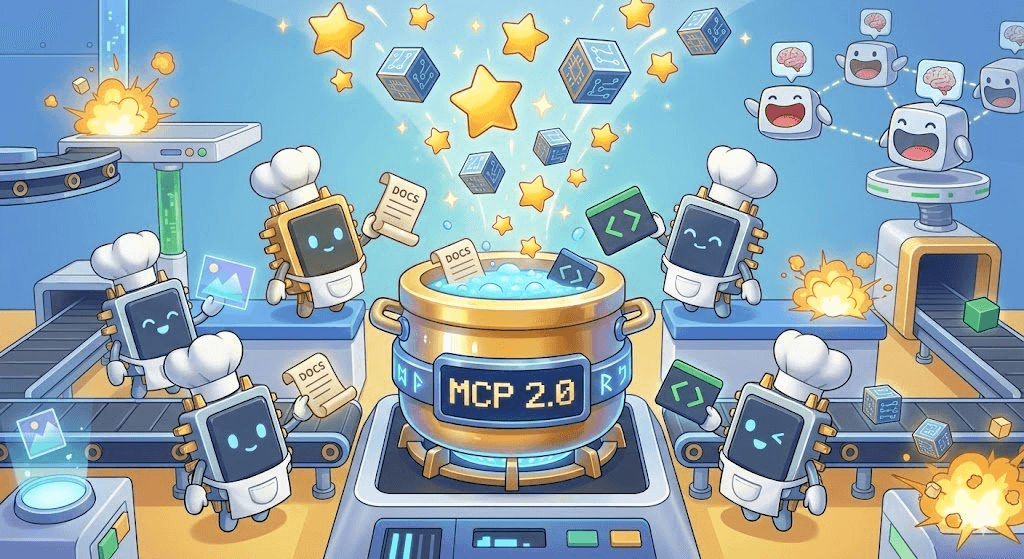
DIN is integrating the Model Context Protocol (MCP) to decentralize how AI agents access system data. **Key benefits:** - **Zero censorship** - No central server can block agent context - **Failover protection** - Network continues if nodes go down - **Cross-chain interoperability** - Agents fetch data from any blockchain MCP serves as the standard for AI-to-system communication. By decentralizing this layer, DIN's 40k+ Chipper Nodes validate and vectorize data to fuel the emerging Agent Economy. The infrastructure aims to position DIN as the universal standard for how AI reads blockchain data.
Google Names Multi-Agent Systems as 2026's Defining AI Trend
**Google Cloud's 2026 AI Business Trends Report** identifies the Digital Assembly Line as the year's defining trend, marking a shift from standalone chatbots to collaborative multi-agent systems. **What's changing:** - Teams of specialized AI agents now work together to execute complex workflows - Multi-agent systems require standardized, validated data infrastructure - The agent economy needs reliable data supply chains to function **The infrastructure challenge:** For these digital assembly lines to operate effectively, AI agents need access to trusted, pre-processed data. This represents a fundamental shift in how AI systems consume and utilize information. **Industry implications:** The move toward multi-agent collaboration signals a maturation of AI technology, moving beyond simple query-response models to sophisticated, coordinated task execution. [Read the full Google Cloud report](https://blog.google/innovation-and-ai/infrastructure-and-cloud/google-cloud/ai-business-trends-report-2026/)
DIN Unveils Chrome Extension with AI Detection and Community Voting
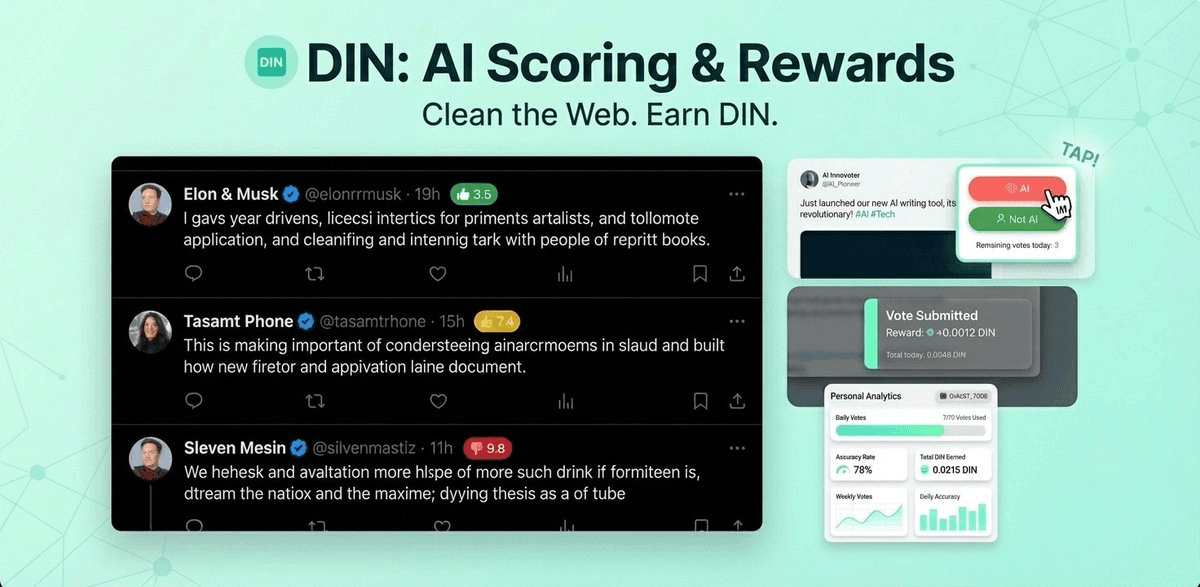
**DIN is developing a Chrome extension** that combines AI detection capabilities with community-driven validation. **Key features include:** - AI content detection technology - Community voting mechanisms - On-chain reward distribution - Boosted earnings for $DIN token holders The extension represents DIN's continued expansion of their **AI-native data pre-processing ecosystem**. Users will be able to participate in data validation while earning rewards directly through the browser. **Token utility expands** as $DIN holders gain access to enhanced earning opportunities within the new platform. Mockups have been released showing the extension's interface and functionality.
DIN Donates HKD 5,000 for Hong Kong Fire Relief Efforts
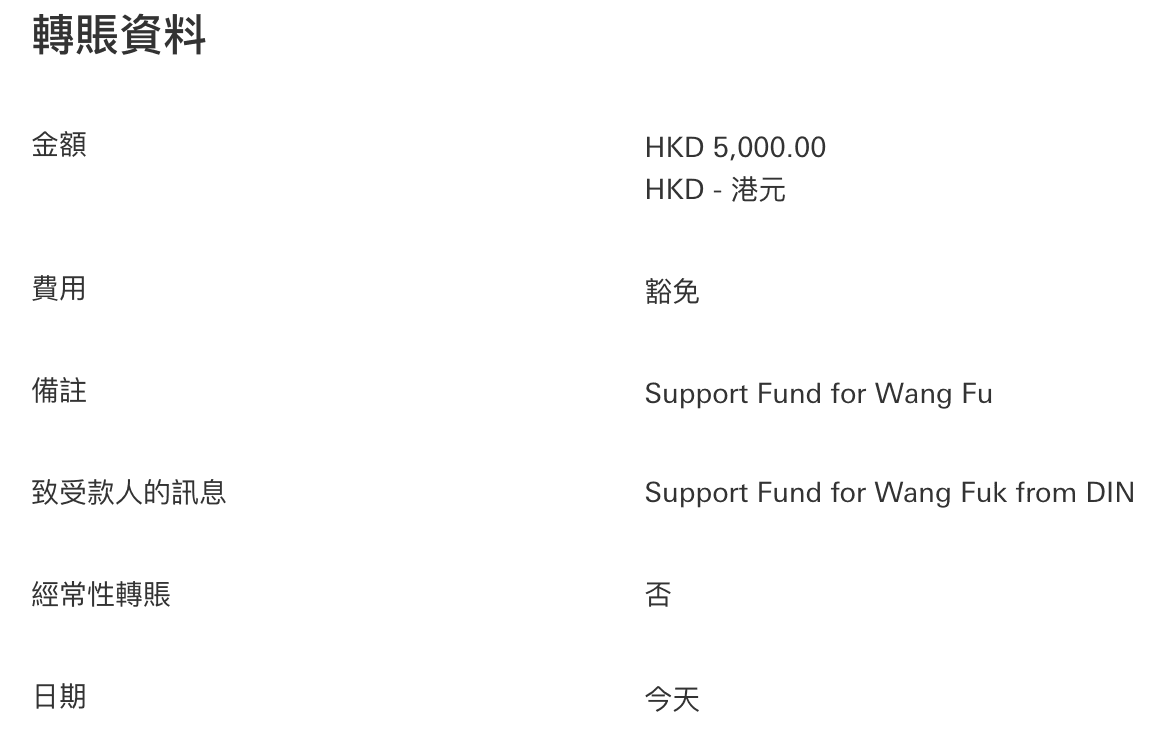
**DIN contributes HKD 5,000** to support relief efforts following a recent fire incident in Hong Kong. The AI-native data pre-processing platform expressed solidarity with affected community members and hopes for swift recovery. - Donation aims to assist those impacted by the emergency - Part of broader community support initiatives - Demonstrates corporate social responsibility in crisis response The contribution joins other crypto industry efforts to provide aid during this difficult time for Hong Kong residents.