Lido congratulated the @get_optimum team on its first mainnet deployment, which is being made freely available to all Ethereum node operators. Separately, Lido flagged operator progress with testing mump2p on the Hoodi testnet, with details shared on the Lido research forum.
Lido has launched direct staking on Ethereum L2s through its UI, letting users stake ETH on Arbitrum, Base, Linea, and Optimism in a few clicks without manually bridging to Ethereum and back. The feature is powered by Chainlink CCIP and was covered by CoinDesk, which Lido reshared on X to confirm the rollout.
KR1 plc, a London Stock Exchange-listed company, has launched its own dedicated Ethereum validators on Lido stVaults, with P2P.org running the validator operations. The company is targeting up to 6,000 ETH staked through the setup.
The move makes KR1 the first publicly listed company to run dedicated validators on the Lido V3 stVault framework, showcasing the architecture being adopted by institutional and corporate crypto investors. Details were announced via Lido's blog and an RNS release from KR1, expanding on the earlier X announcement.

Myrmidon Staking has launched its new pooled ETH staking product, the Myrmidon Staking ETH Pool, built on Lido V3 stVaults. The product pairs Lido's staking architecture with Myrmidon's professional validator operations, offering users a way to participate in Ethereum staking without running their own validators.
BitGo Bank & Trust, N.A. has enabled ETH staking through the Lido protocol for eligible US clients. Clients can stake ETH, hold the resulting stETH in their existing BitGo account, monitor positions through the BitGo interface, and redeem stETH back to ETH on the same platform.
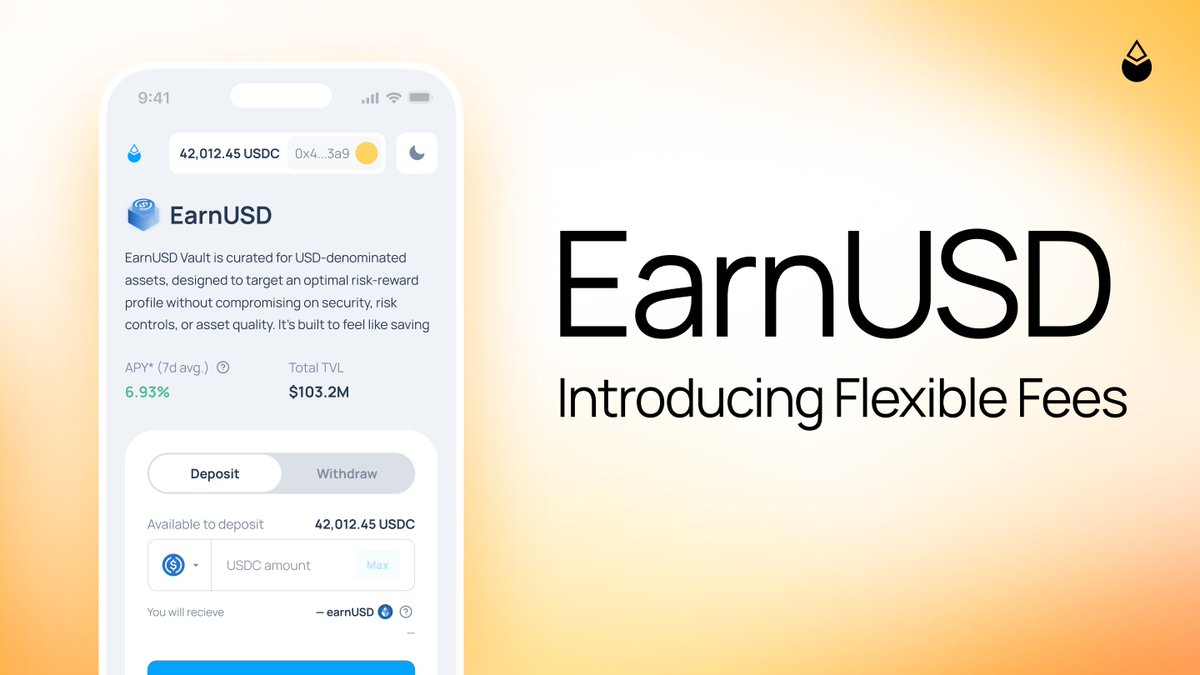
Lido announced an update to the EarnUSD vault fee model, cutting fixed fees and tying a larger share of fees directly to vault performance. The previous structure leaned on platform-side fees (1% AUM + 10% performance); the new model introduces lower fixed fees with more flexibility.
Following an investigation into an infrastructure compromise, MetaMask Staking (formerly Consensys Staking) has taken precautionary steps to protect client assets tied to its operated Ethereum validators, including exiting its validators in Lido. Lido communicated the move, which appears to be a precautionary exit rather than a confirmed loss of funds.
Lido contributors are co-hosting the Ethereum Forward Defence Summit in Mumbai with Safe, backed by the Ethereum Foundation and the Trillion Dollar Security initiative.
The event, on November 4th, focuses on protocol security, OpSec and post-quantum topics, with workshops, a short set of keynotes and an emphasis on building rather than panels.
Lido confirmed the first validator consolidation on Lido Core has landed on Ethereum mainnet, carried out together with Bitwise. The transfer came after the initial submission by CSM lead d_gusakov, marking the start of migrating ~8.4M staked ETH from the legacy Curated Module to the new CMv2 (Curated Module v2).
Stakely, a blockchain infrastructure provider operating validators since 2020 (infrastructure distributed across Europe), launched two products built on stVaults, Lido's modular staking infrastructure. The live public staking vault lets anyone stake ETH with Stakely-operated validators, paired with Lido's EarnETH strategy, with institutional staking also offered.
Lido deployed wstETH (wrapped staked ETH) on Ethereum, a non-rebasing wrapper used widely across DeFi protocols.
LDO, the governance token for the Lido DAO, went live with 1 billion tokens minted; a small airdrop (0.4%) was distributed to early Lido stakers.
Lido's protocol went live on Ethereum mainnet, letting users stake ETH and receive the liquid staking token stETH, shortly after the Ethereum 2.0 Beacon Chain launched.
The initial Lido team members raised $2 million in December 2020 to continue building the liquid staking protocol.
4437 followers · 23 stories