Strategy's Bitcoin Buying Spree Hits the Brakes as Funding Dries Up
Strategy's Bitcoin Buying Spree Hits the Brakes as Funding Dries Up
🛑 Strategy's Bitcoin Spree Stops


Strategy's primary funding mechanism for Bitcoin purchases has ground to a halt. The company's preferred shares (STRC), which it sells at $100 to finance BTC acquisitions, have dropped to a record low of $85.72.
Key Points:
- STRC shares must trade above $100 for Strategy to continue issuing them
- No STRC-funded Bitcoin purchases have occurred since May 26
- This marks a significant shift from July 2025, when Strategy expanded its preferred stock offering to $2B
What This Means:
The funding freeze effectively pauses Strategy's aggressive Bitcoin accumulation strategy. The company previously relied on selling STRC shares at $100 (with a 9% dividend) to generate capital for crypto purchases. With shares now trading 14% below that threshold, this revenue stream has closed.
Strategy must either wait for STRC prices to recover above $100 or find alternative funding sources to resume its Bitcoin buying program.

The funding channel behind Strategy's $BTC buying has stalled. STRC, the preferred share it sells at $100 to fund coin purchases, has fallen to a record $85.72. Below that level the issuance stops, and no STRC-funded buy has happened since 26 May.

Toncoin Rebrands to Gram Following 81% Community Vote
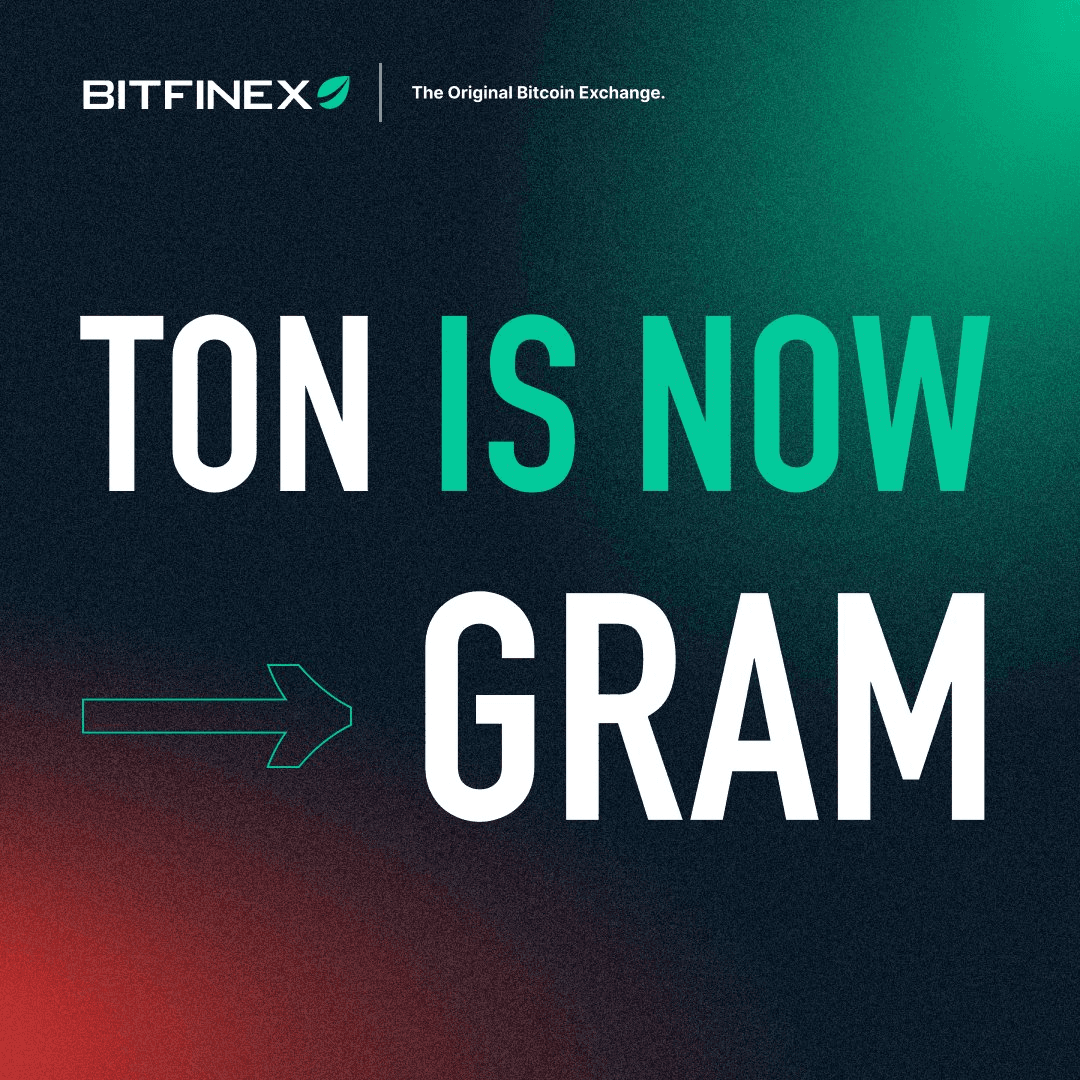
**Toncoin has officially rebranded to Gram**, with the ticker symbol changing from $TON to $GRAM after an overwhelming 81% community vote approved the transition. **Key details:** - Trading, deposits, and withdrawals continue unaffected on major exchanges - No action required from token holders - Bitfinex offering zero trading fees on the renamed token - KuCoin resumed trading services under the new $GRAM ticker on June 15, 2026 at 14:00 UTC The rebrand represents a significant community-driven decision for the blockchain project, with the new name taking effect across major trading platforms.
AI Discovers Critical Zcash Vulnerability in Days After Years of Expert Oversight
A critical security flaw in Zcash's shielded pool went undetected through years of expert review, only to be discovered in days by an AI-assisted researcher. **Key Points:** - The vulnerability affected Zcash's privacy-focused shielded pool - Traditional security audits failed to catch the flaw despite extensive scrutiny - AI-powered analysis identified the issue in a fraction of the time - The discovery raises questions about undiscovered vulnerabilities in other crypto protocols The incident highlights both the potential of AI in security research and the limitations of conventional audit methods. As crypto systems grow more complex, the gap between human review capabilities and emerging threats continues to widen. Read the full analysis: [Could AI Be Crypto's Next Security Reckoning?](https://blog.bitfinex.com/industry-news/could-ai-be-cryptos-next-security-reckoning/)
Bitfinex Adds USD Wire Transfers Through OpenPayd Partnership
Bitfinex has enabled USD wire transfer services through OpenPayd for fully verified customers. **Key Features:** - Fast deposit and withdrawal processing - Joins existing EUR and GBP wire transfer options - Available exclusively to customers with Full verification status The new service expands Bitfinex's fiat banking options, providing users with additional flexibility for moving funds on and off the platform. Full details are available at [Bitfinex's announcement](https://www.bitfinex.com/post/?id=1182).
CLARITY Act Separates Token Fundraising from Secondary Trading
The CLARITY Act introduces a fundamental shift in how token securities status is determined in the U.S. **Key Change:** - For ten years, the SEC maintained that if a token was sold as a security during its initial fundraise, it remained a security in all subsequent trades - The new legislation draws a clear distinction between primary issuance and secondary market transactions **What This Means:** - Tokens sold in initial fundraises may still be classified as securities - The same tokens could potentially trade freely on secondary markets without securities classification - This separation could unlock liquidity and reduce compliance burdens for exchanges and traders **Open Questions:** - Implementation details remain unclear - The bill is still stalled in the Senate over various regulatory disputes - Balance between SEC and CFTC oversight continues to be debated The legislation represents a potential turning point for crypto secondary markets, though its passage and final form remain uncertain. [Read full analysis]([https://blog.bitfinex.com/education/how-the-clarity-act-could-reshape-cryptos-secondary-markets/](https://blog.bitfinex.com/education/how-the-clarity-act-could-reshape-cryptos-secondary-markets/))