Polygon Upgrades Native USDT to USDT0 with $1.3B Liquidity
Polygon Upgrades Native USDT to USDT0 with $1.3B Liquidity
🔗 Polygon's USDT upgrade


Polygon has upgraded its canonical PoS USDT to USDT0, powered by LayerZero's OFT standard and backed 1:1 by USDT on Ethereum.
Key Features:
- Over $1.3B in USDT liquidity and 6M+ wallets now integrated into the USDT0 ecosystem
- Enables instant settlement with fewer intermediaries
- Supports multihop transactions across chains including Unichain, Hyperliquid, Flare, and Tron in a single transaction
- Eliminates need for wrapped tokens or traditional bridges
Additional Launch: Polygon also introduced XAUt0, the omnichain version of Tether Gold, bringing native gold-backed liquidity to the network for the first time.
Use Cases:
- DeFi protocols can now integrate gold-backed collateral for borrowing and hedging
- Frictionless liquidity for P2P payments and asset-backed finance
- Portfolio diversification with real-world assets
This upgrade positions Polygon as a multichain coordination layer for enterprise and institutional adoption, connecting legacy financial infrastructure with modern blockchain technology.

Instant settlement. Global reach. Fewer intermediaries. Backed by $1.3B+ in onchain USDT liquidity and 6M+ wallets. This is USDT0 on Polygon.

Last year, we upgraded PoS USDT on @0xPolygon to the USDT0 standard. Bringing +$1.3B in USDT liquidity and 6M+ wallets on Polygon into the USDT0 ecosystem. From @0xAishwary:

Polygon Network Achieves 1% Deflationary Rate with 28.85M POL in Gas Fees
**Polygon's tokenomics show deflationary momentum** Year-to-date metrics reveal: - 28.85M POL collected in gas fees - 19.78M POL burned - 13.12M POL issued - Net deflationary rate: -1.00% annualized The burn mechanism removes more tokens from circulation than are created, creating scarcity. This marks a shift from inflationary models common in many blockchain networks. The data suggests consistent network activity driving fee collection while the burn rate exceeds new issuance.
POL Shows Deflationary Trend with Rising Usage and Declining Supply
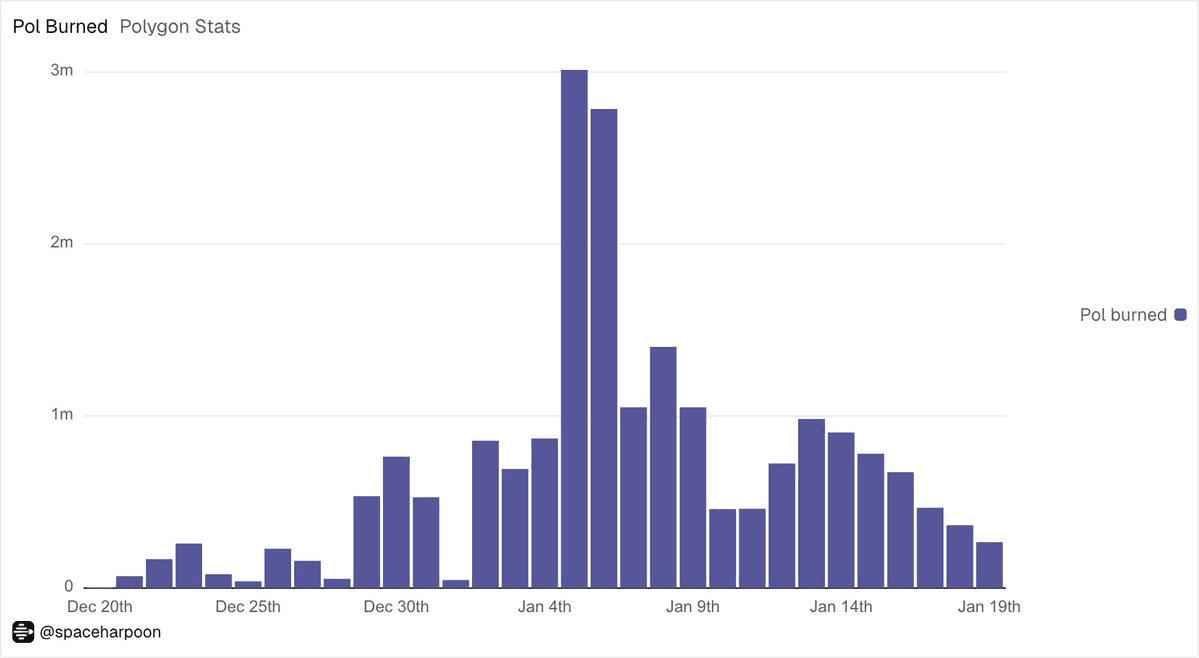
**POL Token Metrics Update** Year-to-date data reveals a deflationary trend for POL: - **Usage**: Increasing activity and adoption - **Supply**: Decreasing total token supply - **Status**: Deflation mechanism now confirmed and active This combination of rising demand and falling supply creates classic deflationary tokenomics, potentially impacting long-term value dynamics for the Polygon ecosystem token.
Polygon and Toku Enable Instant Stablecoin Payroll Across 100+ Countries
Polygon is positioning itself as infrastructure for global payroll by enabling companies to pay employees in stablecoins across 100+ countries in seconds. **How it works:** - Companies fund payroll using stablecoins on Polygon - Toku integrates with existing HR systems (ADP, Workday, Gusto) - Polygon provides the settlement layer - Toku handles compliance, tax reporting, and employee payouts The approach targets the $50 trillion global payroll market, which currently relies on legacy banking infrastructure. By using blockchain rails, companies can reduce costs, eliminate bank fees, and remove cross-border payment delays. The system allows businesses to move onchain without changing existing workflows or introducing new operational risk.
🇮🇳 Indian Cities Go Onchain
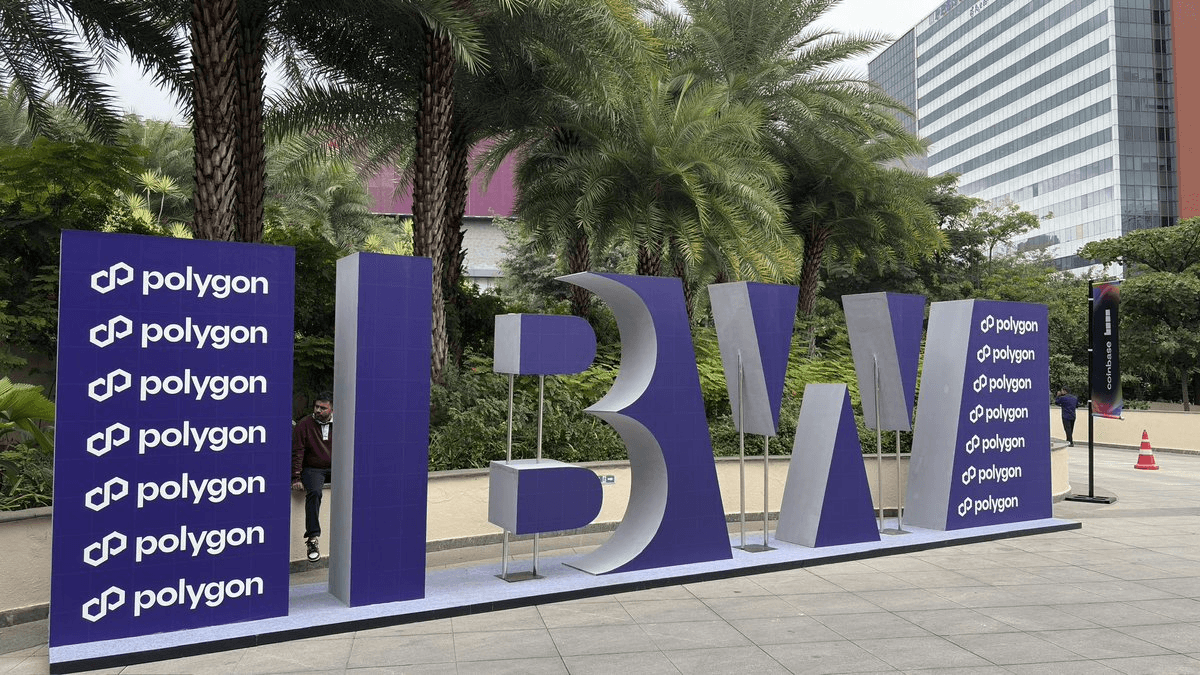
**Indian institutions are moving critical records to Polygon blockchain** - **BBD University** in Lucknow digitized degrees, ID cards, and certificates - cutting verification errors in half and eliminating fraud - **Three cities** (Amravati, Solapur, Kalyan-Dombivali) moved citizen documents onchain - birth records, permits, tax docs now verify in minutes vs months - **Maharashtra forensic labs** replaced paper trails with blockchain evidence tracking - creating tamper-proof chain of custody - **Festivals and conferences** switched from weeks-long printing processes to instant QR verification The shift creates **transparent, auditable government records** while dramatically reducing costs and processing times.