🇮🇳 Indian Cities Go Onchain
🇮🇳 Indian Cities Go Onchain
🏛️ Cities Ditch Paper


Indian institutions are moving critical records to Polygon blockchain
BBD University in Lucknow digitized degrees, ID cards, and certificates - cutting verification errors in half and eliminating fraud
Three cities (Amravati, Solapur, Kalyan-Dombivali) moved citizen documents onchain - birth records, permits, tax docs now verify in minutes vs months
Maharashtra forensic labs replaced paper trails with blockchain evidence tracking - creating tamper-proof chain of custody
Festivals and conferences switched from weeks-long printing processes to instant QR verification
The shift creates transparent, auditable government records while dramatically reducing costs and processing times.

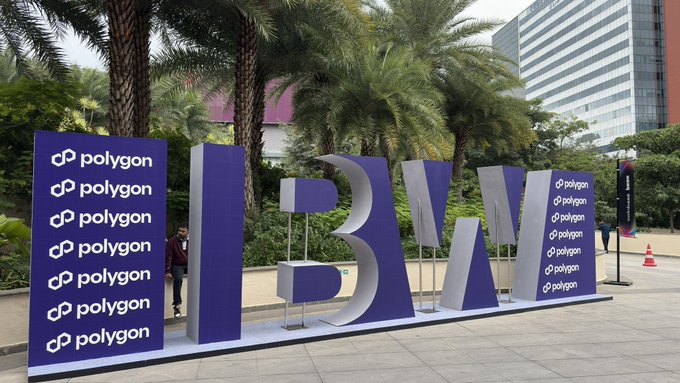
Polygon is for everyone, everywhere 🇮🇳 This week during @IBWofficial, we're taking a look at Indian cities and institutions rebuilding infra on Polygon to make impactful transformations on everything from education to forensics to civilian documentation Read on 🧵
Ubyx Launches Tokenized Money Clearing for Banks on Polygon
**Ubyx**, founded by Tony McLaughlin, has launched a clearing service for tokenized money targeting banks and payment service providers (PSPs). **Key Details:** - The platform enables financial institutions to clear tokenized money transactions - Polygon was selected as the settlement chain for the infrastructure - Ubyx focuses on bringing traditional banking operations onchain This development represents another step in bridging traditional finance with blockchain infrastructure, as established financial institutions explore tokenized payment rails.
Trust Wallet Integrates Polygon Chain for Self-Custody Transactions
Trust Wallet now supports Polygon Chain, enabling users to manage their assets through a self-custody solution. **Key Features:** - Users maintain full control of their funds through non-custodial wallet technology - Transactions can be executed directly onchain via Polygon's infrastructure - Setup takes just minutes across any blockchain network This integration expands Trust Wallet's multi-chain capabilities while reinforcing the self-custody model where users hold their own private keys. [Read more details](https://polygon.technology/customers/trust-wallet)
Japan's First Stablecoin Payment at Convenience Store Register
**Major milestone in Japan's crypto adoption** HashPort has facilitated Japan's first stablecoin payment at a point-of-sale register in a major convenience store chain. **Key details:** - Lawson convenience store demonstrated the payment system - Customers scan a barcode from HashPort Wallet to pay with JPYC stablecoin - Transaction settled on Polygon network - Payment processed instantly at checkout This marks a significant step toward mainstream stablecoin adoption in Japan, showing how blockchain technology can integrate into everyday retail transactions. [Read the full story](https://coinpost.jp/?p=730281)
🏪 Japan's First Stablecoin POS Payment Clears on Polygon
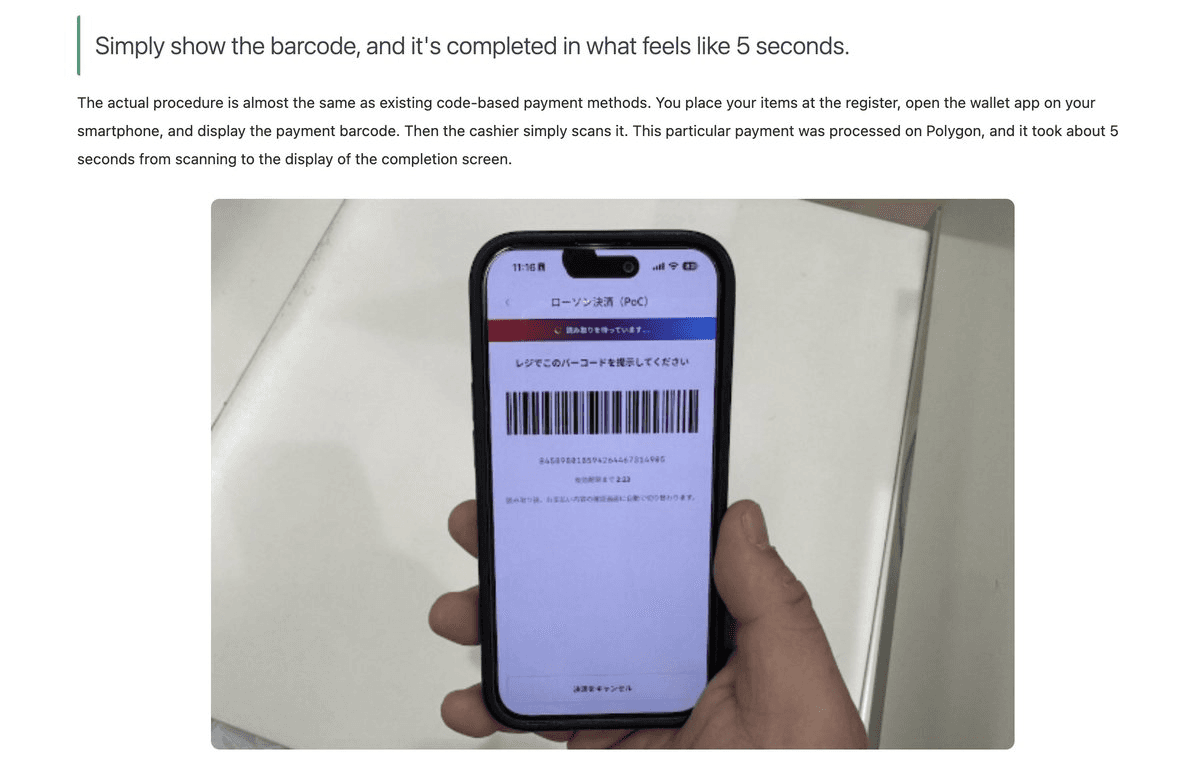
Lawson, a major Japanese convenience store chain, has processed the country's first stablecoin payment at a point-of-sale register using Polygon as the settlement layer. **Key Details:** - Customers paid using JPYC stablecoin via HashPort Wallet barcode scanning - Transactions settle in real-time with fees under a fraction of a cent - Polygon's low-cost infrastructure enables practical everyday payments This follows recent launches of local currency stablecoins on Polygon, including Mento Protocol's USDm/EURm pools backed by Capa and Schuman's EURP reserve asset.
🔧 Polygon Chain Rolls Out New Payments Upgrade
Polygon Chain is implementing another payments infrastructure upgrade, continuing its rapid development cycle. **Key Details:** - This marks the third mainnet upgrade in four months - Each upgrade progressively enhances payment infrastructure capabilities - The latest improvements focus on faster transaction confirmations and more predictable fees - Network resilience has been strengthened The consistent upgrade schedule demonstrates Polygon's commitment to iterative improvements in payment processing speed and reliability. More information: [polygon.technology/blog](https://polygon.technology/blog/giugliano-upgrade-faster-confirmations-predictable-fees-and-a-more-resilient-network-for-polygon-chain)