Fraxtal Blockchain Now Supported by The Graph's Subgraph Studio
Fraxtal Blockchain Now Supported by The Graph's Subgraph Studio
🔍 Fraxtal Joins The Party

The Graph has expanded its blockchain data indexing support to include Fraxtal blockchain. This integration enables developers building on Fraxtal to:
- Access real-time onchain data through Subgraphs
- Power frontend applications with reliable blockchain data
- Query Fraxtal blockchain data directly via Subgraph Studio
Developers can begin exploring Fraxtal data immediately through The Graph Studio

Welcome to The Graph, @fraxfinance 👋 Fraxtal blockchain is now live in Subgraph Studio. Developers building on Fraxtal can access fast, reliable onchain data via Subgraphs to power their frontends. Start querying Fraxtal data today 👇
Uniswap Reaches $250M Stock Token Volume on Robinhood Chain
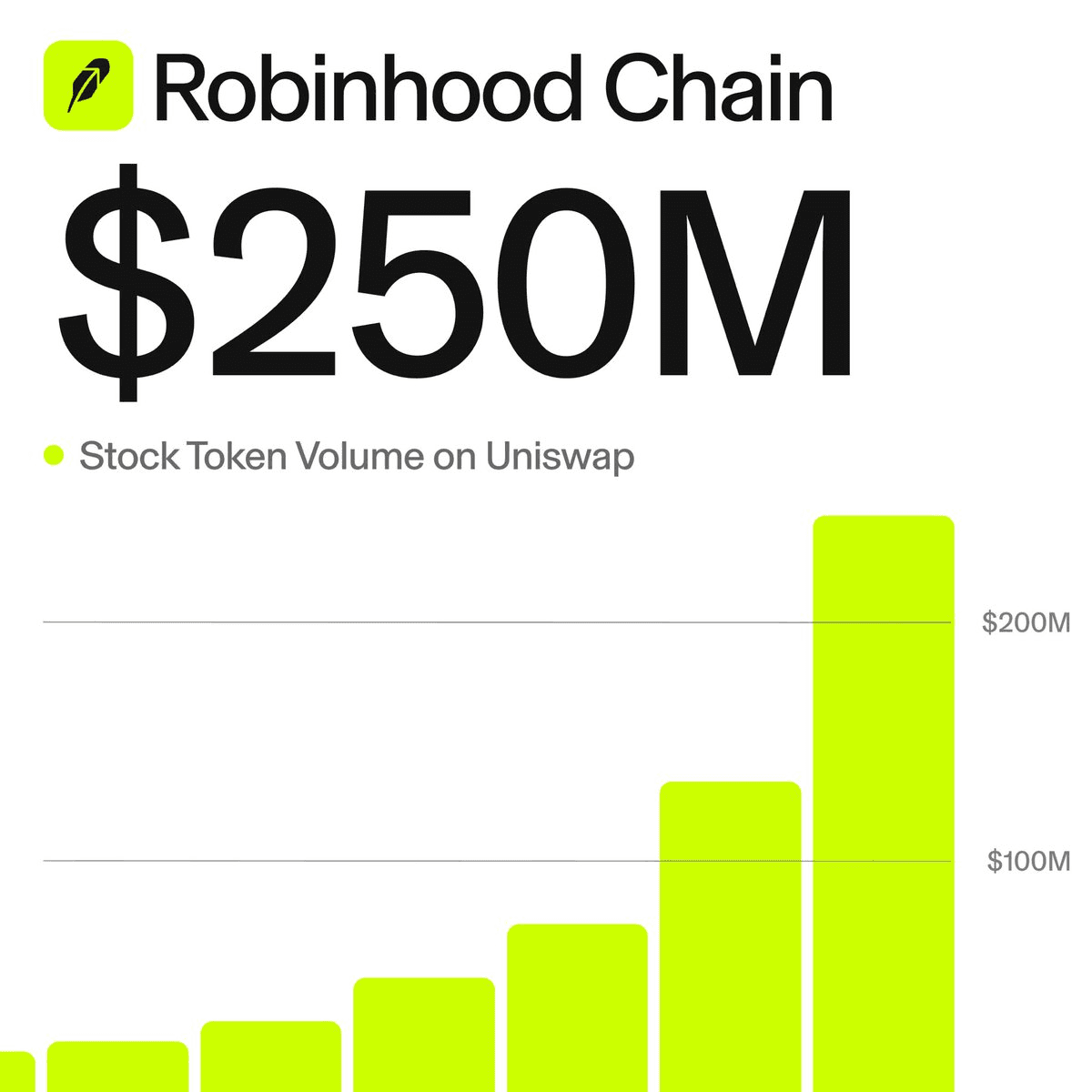
Uniswap has processed $250 million in stock token volume on Robinhood Chain, marking a milestone for tokenized securities trading. **Key Development:** - Builders can now access this data through Firehose and Substreams tools - The Graph protocol enables streaming and indexing of high-performance blocks, transactions, logs, and traces - Developers can create deterministic datasets for analytics, agents, and dashboards The integration is [live now](https://substreams.dev/chain/robinhood-chain) for developers looking to build on this infrastructure.
Substreams Skills Refactor Adds 10 Expert Capabilities for AI Coding Assistants
Substreams Skills has undergone a significant refactor, introducing 10 specialized capabilities for AI coding assistants. **New capabilities include:** - EVM and Solana blockchain decoding - SQL sinks integration - Hosted and self-managed deployment options - Testing functionality - Full Graph Market API access The updated skills package is compatible with popular AI coding tools including Claude Code, Cursor, and VS Code. Developers can access the refactored skills through the [GitHub repository](http://github.com/streamingfast/substreams-skills). This update builds on Substreams' existing infrastructure for processing real-time blockchain data, extending its functionality to work directly within AI-assisted development environments.
The Graph Offers $15K in Prizes Across Three AI-Focused Tracks at ETHGlobal Lisbon
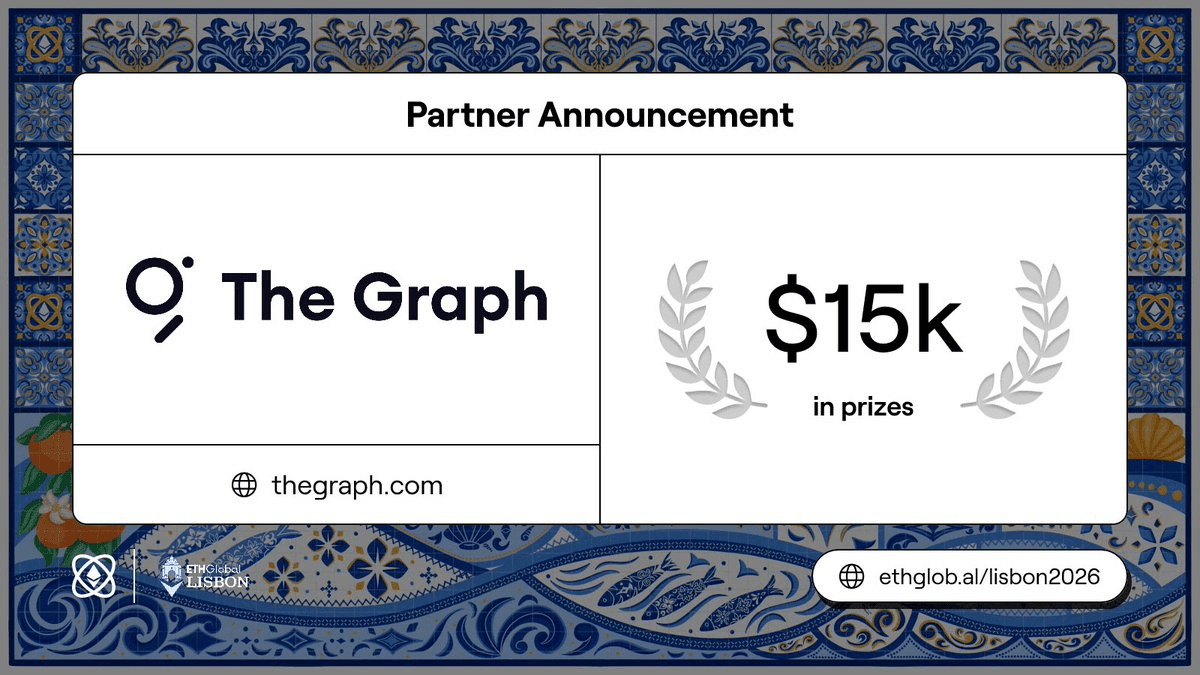
The Graph is sponsoring three prize tracks at the ETHGlobal Lisbon hackathon, totaling $15,000 in rewards. **Prize Categories:** - Best AI Tooling for The Graph - Best AI Use Case of The Graph - Best Use of Standardized Graph Products Developers can build AI agents, MCPs, and SKILLs using live on-chain data from over 15,000 Subgraphs. The 36-hour hackathon takes place at Pavilho Carlos Lopes, with The Graph maintaining an on-site booth. For resources and details: [thegraph.com/blog/hackathon-resources](http://thegraph.com/blog/hackathon-resources/)
AI Agents Need Structured Blockchain Data to Function at Scale
**AI agents operate at machine speed**, making thousands of decisions per minute in the crypto economy. Unlike humans who browse block explorers, these agents require **structured, normalized, and queryable blockchain data** to function effectively. - Agents assessing DeFi risk cannot work with raw transaction logs - They need data formatted for rapid querying and decision-making - The infrastructure enabling this agent economy operates behind the scenes This represents a fundamental shift in how blockchain data must be organized and accessed. As AI agents become more prevalent in web3, the demand for **properly structured data infrastructure** will intensify dramatically. The agent economy isn't about human-readable interfaces—it's about machine-optimized data pipelines that can support thousands of automated decisions every minute.
Agent0 Subgraphs Now Live Across Five Mainnets with Unified GraphQL Schema
**Agent0 Subgraphs are now operational across five major blockchain networks** - Base, BNB Chain, Ethereum, Monad, and Polygon - using a single GraphQL schema. **Key features:** - Real-time indexing of every ERC-8004 agent across all chains - No code rewrites needed when switching between networks - Already processed over 1 million queries - Accessible via [Graph Explorer](https://thegraph.com/explorer?search=agent0) **What this enables:** - Developers can query agent data with a single GraphQL request instead of scanning thousands of blocks - AI agents can discover, hire, and interact with each other using structured blockchain data - Machine-scale data access for agents that operate continuously The infrastructure indexes agent identities, capabilities, reputation, and validation data in milliseconds. Developers building ERC-8004 agents can now access comprehensive onchain data without building custom indexers.