ALEPH Token Staking Reaches 91 Million with Consistent Daily Growth
ALEPH Token Staking Reaches 91 Million with Consistent Daily Growth
📈 ALEPH Staking Milestone

ALEPH token staking continues steady momentum with 100,000 tokens being staked daily, bringing the total to 91 million staked ALEPH tokens.
This represents consistent growth in network participation, with users continuing to lock up tokens at a predictable rate. The steady daily staking volume indicates sustained confidence in the ALEPH ecosystem.
- Daily staking rate: 100K tokens
- Current total: 91M staked ALEPH
- Growth pattern shows consistent community engagement
The staking milestone reflects ongoing network security and validator participation in the decentralized infrastructure.
100K tokens have been staked each day since our last post, growing to a total of 91 million staked ALEPH tokens.

Keep the network safe, stake your tokens.

Sbix Certify Launches Document Certification Platform on Aleph Cloud
**Sbix Certify** has officially launched as a new document certification platform built on Aleph Cloud infrastructure. The platform creates **immutable, blockchain-anchored proofs** of existence for any file type, providing users with permanent verification records. Key features: - Blockchain-based document certification - Immutable proof of existence - Built on decentralized Aleph Cloud infrastructure - Supports any file format This launch represents another step forward in **decentralized document verification** solutions, offering users a way to permanently timestamp and verify their digital files without relying on centralized authorities.
Blockchain's Missing Pieces: Why Decentralization Stops at the Control Layer
**The blockchain infrastructure gap is widening.** While blockchain effectively handles the control layer - accounts, payments, and state management - critical components remain centralized. **What's still missing:** - Decentralized storage solutions - Distributed compute resources - Decentralized databases **The current reality:** Most blockchain applications rely on traditional centralized cloud providers for these essential services. This creates the same opacity and risk factors that blockchain was designed to eliminate. **The infrastructure challenge** highlights a fundamental contradiction in today's web3 ecosystem - truly decentralized applications need decentralized infrastructure at every layer, not just consensus.
🌐 Aleph Cloud Scales Decentralized Infrastructure Network
**Aleph Cloud** is expanding its decentralized infrastructure platform with comprehensive services: - **Core services**: Storage, compute, serverless functions, VPS, and frontend hosting - **Key features**: Verifiable execution and no centralized control - **Network growth**: Currently 1,000 nodes worldwide, targeting data center scale by 2026 The platform attracts real companies including: - Ubisoft for gaming infrastructure - HyperSwapX for onchain marketplace - FranklinxAI for portfolio optimization - Libertai_DAI for decentralized AI models **Why companies choose Aleph Cloud**: - Censorship resistance - True data ownership - Transparent infrastructure - Cost efficiency The Web3 market grows at 49.3% CAGR, driving demand for decentralized alternatives to traditional cloud providers.
Web Infrastructure Fragility: Single Points of Failure Cost Millions
**Centralized web infrastructure creates massive systemic risks** that have already caused expensive outages. **Recent examples highlight the problem:** - OVH data center fire (2021) knocked thousands of websites offline - Single Cloudflare configuration error disrupted 20% of global internet traffic for an entire day These aren't theoretical concerns - they're **operational realities** with real financial consequences. **The core issue:** Most web applications depend on a small number of closed cloud providers. This creates: - Vendor lock-in - Opaque infrastructure - Single points of failure When major providers like AWS or Cloudflare experience problems, the ripple effects are felt across the entire internet. *Decentralized alternatives offer more resilient infrastructure that doesn't depend on single providers.*
Decentralized Apps Need Decentralized Frontends to Eliminate Central Points of Failure
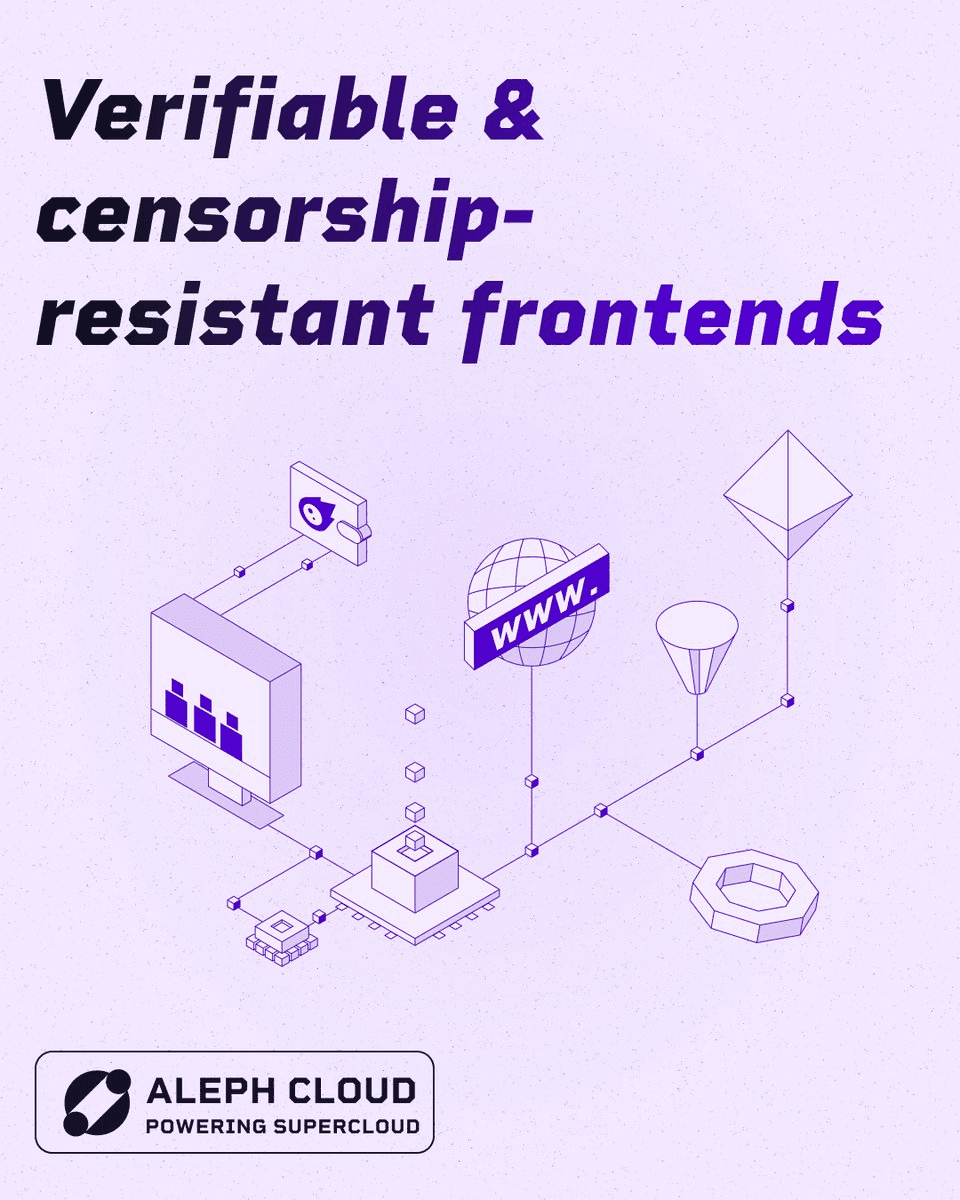
**The Problem with Current dApps** Most decentralized applications still rely on centralized frontends, creating vulnerabilities that undermine their core purpose. **Building True Decentralization** - Infrastructure development focuses on eliminating central points of failure - Goal is **verifiable, censorship-resistant** user experiences - Coverage spans from backend systems to browser interfaces **The Current Challenge** Despite having infrastructure capable of building onchain apps that exceed Web2 user experience, the ecosystem faces fragmentation: - App builders and infrastructure developers work in **isolated silos** - Focus has shifted from practical solutions to overengineered projects - Many new infrastructure projects lack real-world use cases **A Better Approach** Infrastructure should be: - **Driven by app builder needs**, not imposed from above - Selective and purposeful rather than trend-following - Chosen by apps that genuinely enhance their experience The mission requires intentional collaboration between builders focused on practical, decentralizing solutions rather than chasing every new trend.