🌐 Aleph Cloud Scales Decentralized Infrastructure Network
🌐 Aleph Cloud Scales Decentralized Infrastructure Network
🏗️ Infrastructure Without Landlords

Aleph Cloud is expanding its decentralized infrastructure platform with comprehensive services:
- Core services: Storage, compute, serverless functions, VPS, and frontend hosting
- Key features: Verifiable execution and no centralized control
- Network growth: Currently 1,000 nodes worldwide, targeting data center scale by 2026
The platform attracts real companies including:
- Ubisoft for gaming infrastructure
- HyperSwapX for onchain marketplace
- FranklinxAI for portfolio optimization
- Libertai_DAI for decentralized AI models
Why companies choose Aleph Cloud:
- Censorship resistance
- True data ownership
- Transparent infrastructure
- Cost efficiency
The Web3 market grows at 49.3% CAGR, driving demand for decentralized alternatives to traditional cloud providers.

7/ Aleph Cloud is building this: decentralized storage, compute, serverless, VPS, frontend hosting. Verifiable execution. No landlord. Growing network of nodes worldwide. 1000 today → data center scale in 2026. The future of infrastructure isn't less trust. It's distributed
Sbix Certify Launches Document Certification Platform on Aleph Cloud
**Sbix Certify** has officially launched as a new document certification platform built on Aleph Cloud infrastructure. The platform creates **immutable, blockchain-anchored proofs** of existence for any file type, providing users with permanent verification records. Key features: - Blockchain-based document certification - Immutable proof of existence - Built on decentralized Aleph Cloud infrastructure - Supports any file format This launch represents another step forward in **decentralized document verification** solutions, offering users a way to permanently timestamp and verify their digital files without relying on centralized authorities.
Blockchain's Missing Pieces: Why Decentralization Stops at the Control Layer
**The blockchain infrastructure gap is widening.** While blockchain effectively handles the control layer - accounts, payments, and state management - critical components remain centralized. **What's still missing:** - Decentralized storage solutions - Distributed compute resources - Decentralized databases **The current reality:** Most blockchain applications rely on traditional centralized cloud providers for these essential services. This creates the same opacity and risk factors that blockchain was designed to eliminate. **The infrastructure challenge** highlights a fundamental contradiction in today's web3 ecosystem - truly decentralized applications need decentralized infrastructure at every layer, not just consensus.
Web Infrastructure Fragility: Single Points of Failure Cost Millions
**Centralized web infrastructure creates massive systemic risks** that have already caused expensive outages. **Recent examples highlight the problem:** - OVH data center fire (2021) knocked thousands of websites offline - Single Cloudflare configuration error disrupted 20% of global internet traffic for an entire day These aren't theoretical concerns - they're **operational realities** with real financial consequences. **The core issue:** Most web applications depend on a small number of closed cloud providers. This creates: - Vendor lock-in - Opaque infrastructure - Single points of failure When major providers like AWS or Cloudflare experience problems, the ripple effects are felt across the entire internet. *Decentralized alternatives offer more resilient infrastructure that doesn't depend on single providers.*
Decentralized Apps Need Decentralized Frontends to Eliminate Central Points of Failure
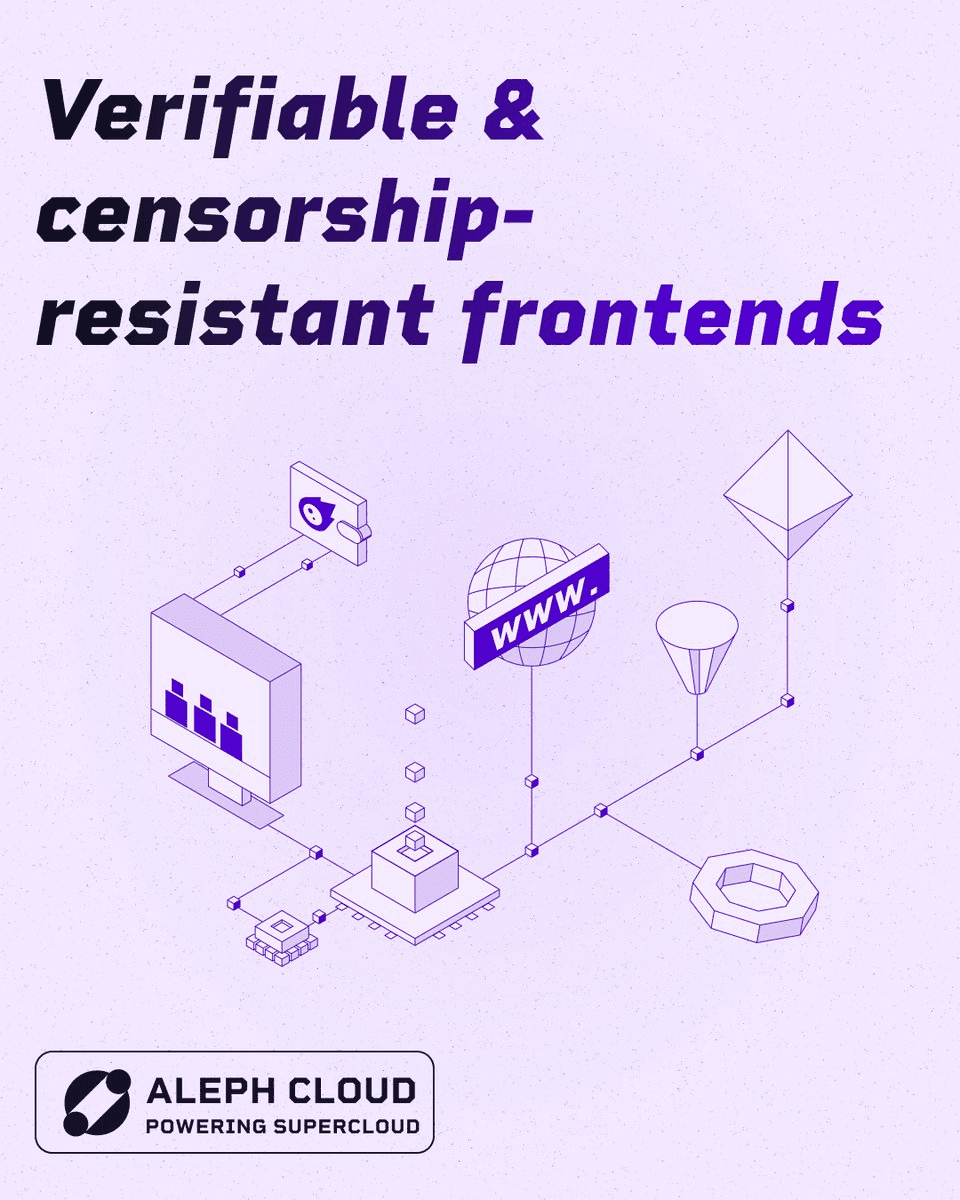
**The Problem with Current dApps** Most decentralized applications still rely on centralized frontends, creating vulnerabilities that undermine their core purpose. **Building True Decentralization** - Infrastructure development focuses on eliminating central points of failure - Goal is **verifiable, censorship-resistant** user experiences - Coverage spans from backend systems to browser interfaces **The Current Challenge** Despite having infrastructure capable of building onchain apps that exceed Web2 user experience, the ecosystem faces fragmentation: - App builders and infrastructure developers work in **isolated silos** - Focus has shifted from practical solutions to overengineered projects - Many new infrastructure projects lack real-world use cases **A Better Approach** Infrastructure should be: - **Driven by app builder needs**, not imposed from above - Selective and purposeful rather than trend-following - Chosen by apps that genuinely enhance their experience The mission requires intentional collaboration between builders focused on practical, decentralizing solutions rather than chasing every new trend.