THORChain Generates Nearly $1 Billion in Volume in 7 Days
THORChain Generates Nearly $1 Billion in Volume in 7 Days

THORChain has achieved nearly $1 billion in volume, ranking it as the 5th chain with the highest volume in the last 7 days. Other projects like Maya Protocol are also performing strongly. $RUNE $CACAO
.@ThorChain has generated nearly $1 BILLION in volume in the past 7d. It is ranked the 5th chain with the highest volume in this timeframe. Definitely worth keeping an eye on 👀 Beta plays such as @Maya_Protocol are performing extremely well too! $RUNE $CACAO
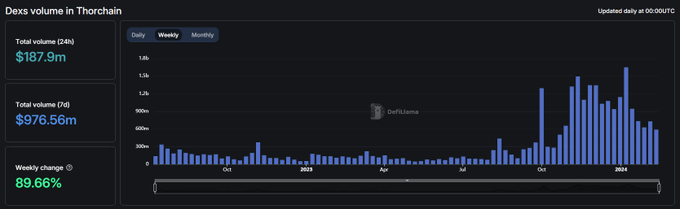

THORChain is one of the most resilient projects in the industry. It has stayed strong through different market cycles. $RUNE is valued at over $1b. Do you want a beta play? Meet @Maya_Protocol, a THORChain friendly fork bringing heat to the market. Let's dive in! 🧵 $CACAO
THORChain Demonstrates Live Monero Swaps on Private Testnet
THORChain co-founder JP recently demonstrated native **$XMR swaps** on a private testnet called Chainnet. The demo showed a working **decentralized RUNE to XMR swap** running on seven nodes with real funds. **Key developments:** - First end-to-end decentralized Monero swap executed successfully - Test ran on actual infrastructure with real money - Native XMR integration planned as next step after mainnet trading resumes This marks a shift from promise to working prototype for Monero integration on THORChain. [Watch the demo](https://youtu.be/65U3rjVXfx0)
CEX Delists Monero as THORChain Prepares to List Privacy Coin
A centralized exchange is removing Monero from its platform while THORChain, a decentralized liquidity protocol, moves in the opposite direction by preparing to list the privacy-focused cryptocurrency. This divergence highlights the growing split between regulated centralized platforms and censorship-resistant decentralized alternatives. While CEXes face increasing regulatory pressure around privacy coins, DEX protocols like THORChain continue operating without such constraints. The timing follows recent MiCA compliance deadlines that forced many centralized exchanges to adjust their offerings. Meanwhile, decentralized protocols maintain their ability to list assets without seeking regulatory approval. For users seeking access to privacy coins and other restricted assets, decentralized exchanges may offer more consistent availability regardless of shifting regulatory landscapes.
Moca Point of Sale Opens Beta Testing
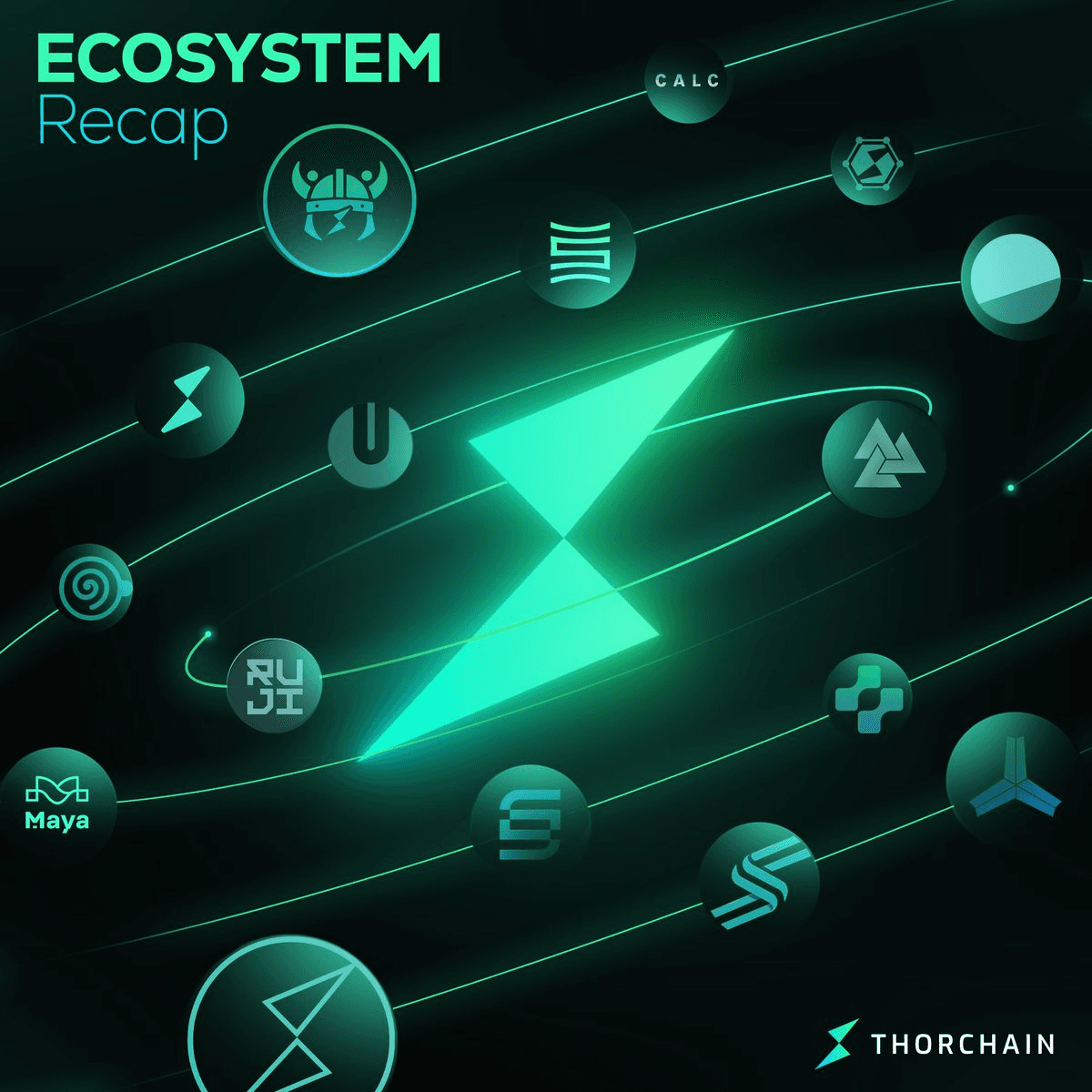
**Key Launches This Week:** - **Moca** opens Point of Sale to first testers on July 20, entering final phase before public launch - **NativeSwap** added Cosmos support with Keplr and Vultisig wallet integrations for native ATOM swaps via THORChain - **Rujira Network** enhanced Automated Trading with portfolio tracking and leaderboard for strategy comparison - **RUNEBond** published two new ADRs on governance dashboard for node operator voting All developments focus on expanding functionality across the THORChain ecosystem with real-world testing and governance participation.
THORChain Enables Swaps Without Wallet Connection Using Cold Swaps
THORChain has introduced **Cold Swaps** (also called Memoless), allowing users to execute token swaps without connecting their wallet to any interface. **How it works:** - Pre-register your swap intent on-chain by specifying the destination asset and receiving address - Receive a short reference ID and QR code containing the vault address and exact amount - Scan and send from any wallet, including hardware wallets or cold storage - THORChain matches the incoming transaction to your registered intent and executes the swap directly The key advantage is **no wallet connection required at execution time**. No approval contracts remain open, and the entire process uses native L1 transactions. This eliminates common DeFi risks like MetaMask pop-ups, permission approvals, and compromised frontends.
THORChain Q2 Report: $2B Swap Volume and Protocol Upgrades
THORChain released its Q2 2026 quarterly report, showing continued ecosystem growth despite facing some challenges. **Key Highlights:** - Over $2B in swap volume processed during the quarter - Major protocol upgrades implemented - Governance progress across the network - Foundation laid for future developments The report follows Q1's strong performance, which saw $2.8B in volume and Solana integration. Q2 focused on consolidating recent expansions while advancing core infrastructure. While specific challenges weren't detailed in the announcement, the team acknowledged obstacles faced during the period. The quarter's work sets the stage for continued development across THORChain's multi-chain liquidity protocol. Full details available in the [quarterly report](https://blog.thorchain.org/thorchain-quarterly-report-q2-2026).