🗺️ The Graph 2026 Roadmap: Six Data Products for Developers, AI Agents and Institutions
🗺️ The Graph 2026 Roadmap: Six Data Products for Developers, AI Agents and Institutions
🗺️ Six products launching

The Graph's 2026 roadmap expands beyond Subgraphs into a multi-service data platform:
For Developers & AI:
- Subgraphs with AI compatibility (MCP, A2A, x402 payments)
- Token API for standardized price/swap data across 10+ chains (Q1)
- JSON-RPC expansion for basic blockchain read/write (Q3)
For Real-Time & Enterprise:
- Substreams for high-performance DeFi, DePIN, AI streaming (Q2-Q4)
- Amp: SQL-native blockchain database for institutions (Q4)
- Tycho: Real-time onchain liquidity indexing (public beta Q2)
All services run on Horizon's modular infrastructure, transforming The Graph from a single-purpose indexing protocol into a comprehensive data marketplace for the agent economy.
For Developers & AI Agents: Subgraphs: The original indexing standard, now with AI compatibility via MCP, A2A, x402 payments, and Amp-powered extraction JSON-RPC: Basic blockchain read/write through The Graph's infrastructure (Q3 experimental launch) Token API: Pre-indexed
x402 has a gas problem. If an agent pays $0.0001 for a data query but network fees are $0.05, the economics break. GraphTally (the micropayment system from The Graph) solved this by introducing cryptographically signed vouchers that settle in batches onchain later. Agents can
The Graph 2026 Technical Roadmap just dropped ⚙️ Blockchain data infrastructure is maturing into a multi-service platform that serves everyone from solo devs to global financial institutions. Here's what's coming from The Graph🧵

The Graph 2026 Technical Roadmap is live! → 6 specialized data products → Unified protocol layer via Horizon → Built for developers, AI agents, analysts & institutions Multi-service infrastructure for the onchain economy. From real-time streaming to SQL analytics, blockchain
Infrastructure doesn't make headlines, but it makes everything else possible. Every app query, every wallet balance check, every DeFi transaction that displays correctly runs on data infrastructure working invisibly in the background. The Graph has processed trillions of
The Graph is at the center of the agent economy: ✓ Data layer for ERC-8004 identity/reputation checks across 8 chains ✓ GraphTally enabling x402 micropayments without gas bottlenecks ✓ MCP integration for natural language agent queries ✓ x402 Subgraph Gateway in
The agent economy has a cold start problem. Agents can execute smart contracts, but they can't: ➡️Verify each other's reputation across chains ➡️Pay for data without getting wrecked by gas fees ➡️Access structured blockchain data in milliseconds How the Graph is solving these
Five years ago, The Graph solved a problem most people didn't know they had: how to query blockchain data without running your own infrastructure. Today, with AI agents, institutional adoption, and multichain complexity, that problem is everywhere. The data layer matters more
Blockchain data needs have outgrown single-solution infrastructure. Developers need indexed APIs, AI agents need standardized endpoints, analysts need SQL access, and institutions need compliance-ready streams. The Graph delivers! Read more about the 2026 Technical Roadmap ⬇️
For Real-Time Apps & Institutions: Substreams: High-performance streaming for DeFi, DePIN, AI & TradFi (Horizon integration Q2-Q4) Amp: SQL-native blockchain database with verifiable data for enterprise scale (developer preview live, SQL platform Q4) Tycho: Real-time onchain
You already know Horizon transformed The Graph into a modular platform. In 2026, expect Subgraphs for AI, Substreams in real-time, Amp for institutions, Token API for standardized price and swap data, Tycho onchain liquidity, and JSON-RPC expansion 👀

The Graph 2026 Technical Roadmap just dropped ⚙️ Blockchain data infrastructure is maturing into a multi-service platform that serves everyone from solo devs to global financial institutions. Here's what's coming from The Graph🧵
The Growing Gap Between Blockchain Data Generation and Application Usability
**The Challenge of Blockchain Data Access** Blockchains excel at consensus and security, but struggle with fast data retrieval. As transaction throughput increases and more chains emerge, a critical gap widens between data existing onchain and applications being able to use it effectively. **Key Issues:** - High-throughput chains like Solana generate data faster than traditional indexing systems can process - Cross-chain applications require unified access patterns across incompatible data structures - Raw blockchain logs must be transformed into structured, queryable formats at application speed **The Core Problem** The fundamental scalability challenge isn't just about processing more transactions—it's about making that data accessible and usable for applications in real-time. Traditional indexing infrastructure can't keep pace with modern blockchain throughput demands.
The Graph Presents Data Tools at Solana Mini-Summit During ETHDenver
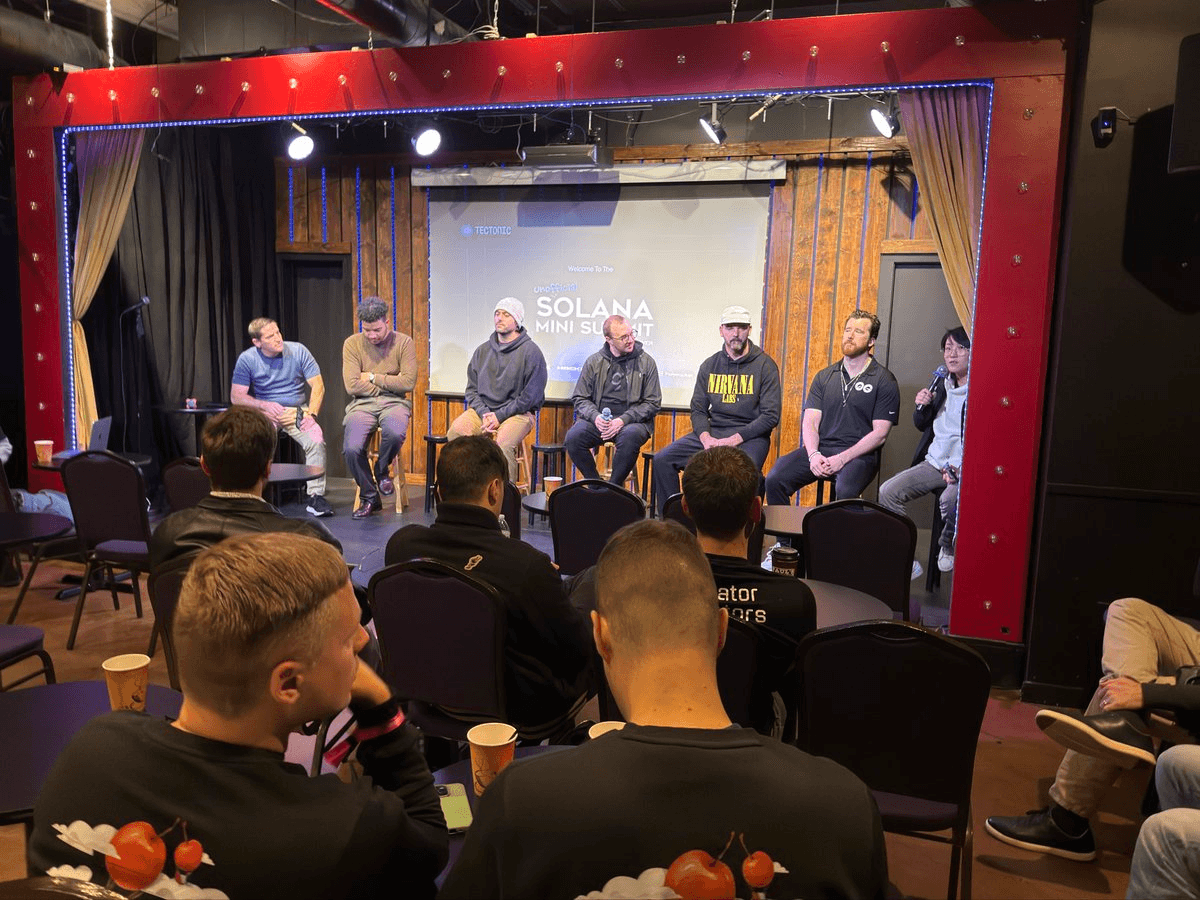
The Graph Foundation's Product Marketing Lead Brandon Kramer presented at Solana's Mini-Summit during ETHDenver, discussing three key data infrastructure tools: - **Substreams**: High-performance data streaming technology - **Subgraphs**: APIs for querying blockchain data - **Token API**: Interface for accessing token information The presentation highlighted The Graph's cross-chain approach, demonstrating its data indexing solutions at a Solana-focused event within Ethereum's largest conference.
🚀 Graph Protocol Unveils Enterprise Suite: Substreams, Amp & Tycho
The Graph is rolling out three institutional-grade tools for real-time blockchain data: **Substreams** delivers high-performance data streaming for DeFi, DePIN, AI, and traditional finance applications. Horizon integration scheduled for Q2-Q4 2026. **Amp** introduces a SQL-native blockchain database with verifiable data designed for enterprise scale. Developer preview is currently live, with full SQL platform launching Q4 2026. **Tycho** provides real-time onchain liquidity indexing specifically built for trading systems and solvers. Private MVP expected Q1 2026, public beta Q2 2026. These tools aim to bridge the gap between blockchain data and enterprise applications, offering familiar interfaces like SQL alongside specialized streaming capabilities for time-sensitive use cases.
The Graph Introduces Three New Economic Mechanisms for Sustainable Data Services
The Graph has unveiled its economic thesis focused on sustainable growth through quality data services and strategic integrations. **Three new mechanisms are being introduced:** - **REO (Rewards Eligibility Oracle)** - establishes quality standards for service providers - **DIPs (Indexer Payments)** - enables direct compensation for data service providers - **Liquid staking** - improves capital efficiency for network participants These additions build on The Graph's Horizon upgrade, which previously removed the 0.5% delegator tax and expanded indexer earning potential. The protocol's multi-service data economy directs fees through GRT, with fee burns strengthening token scarcity while issuance is distributed across various services. The economic model aims to align quality data services with sustainable protocol economics as usage diversity increases.