Holding Historical NFTs with ease
Holding Historical NFTs with ease
🏛️ NFT collecting simplified


Historical NFT collecting has become more accessible than ever. New tools and platforms are simplifying the process of acquiring and managing vintage digital assets.
Key developments include:
- Streamlined wallet integration for older NFT standards
- Improved marketplace interfaces for historical collections
- Enhanced metadata preservation for legacy tokens
Collectors can now easily browse, purchase, and store early Ethereum NFTs without technical barriers. The infrastructure improvements make it simple to verify authenticity and track provenance of historical pieces.
Storage solutions have also evolved, offering better security for valuable vintage collections. Users report smoother experiences when managing portfolios that span multiple years of NFT history.
These improvements lower the entry barrier for new collectors interested in digital art history and early blockchain artifacts.

The Future is bright for Historical NFT collectors

Holding Historical NFTs with ease

Curio Cards: The Forgotten Pioneer That Predated CryptoPunks
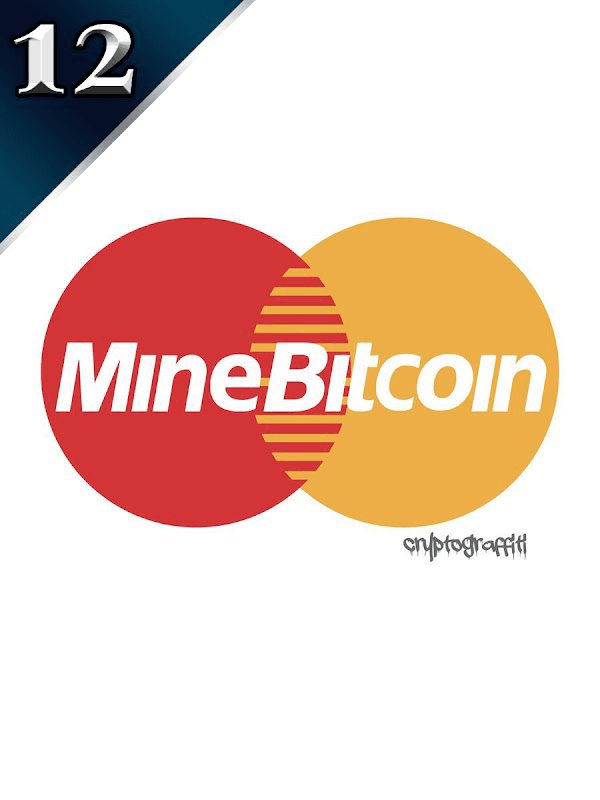
Curio Cards launched on Ethereum on May 9, 2017, making it one of the earliest NFT projects in the ecosystem. **Timeline context:** - 5 days after ENS - 6 weeks before CryptoPunks - 9 weeks before Binance - 7 months before OpenSea - 17 months before Uniswap The project featured Cards 11-19 with pro-Bitcoin motifs and Card 20 featuring Mad Bitcoins, reflecting the importance of Bitcoin to the founders despite launching on Ethereum.
NFT Artists Bridge Digital and Physical Worlds Through Book Publishing
**NFT artists are increasingly turning to traditional book publishing** to give their digital creations lasting physical form. - CryptoArtists are exploring new ways to preserve and showcase their work beyond digital platforms - SuperRare is developing an **artist book library** to support this transition - The trend represents a hybrid approach combining digital ownership with tangible art forms This movement allows collectors to experience NFT art in both digital and physical formats, creating **dual value propositions** for artists and buyers. The shift demonstrates how the NFT space continues evolving beyond purely digital experiences.
Only Four Art Projects Referenced in ERC-721 NFT Standard
The **ERC-721 standard** that defined NFTs references only four pioneering art projects: - **Curio Cards** - **CryptoKitties** - **CryptoPunks** - **Rare Pepe** **Curio Cards** played a particularly significant role in shaping modern NFT development. Their early innovation directly informed the creation of the Ethereum ERC-721 framework. This small group of projects laid the foundation for today's entire NFT ecosystem, demonstrating how a handful of early experiments became the building blocks for a multi-billion dollar market.
phneep's Bitcoin Brand Parodies: The Only ETH Art from OG Bitcoin Artist
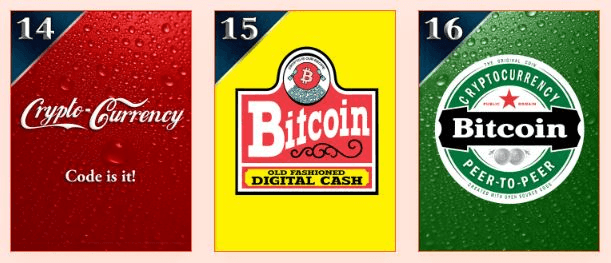
**phneep's Curio Cards 14-16** represent a unique moment in crypto art history - the only Ethereum artwork from this legendary Bitcoin artist. **The Artist Behind the Art** - OG Bitcoin artist since before Ethereum existed - Known for satirical reworks of famous logos and artworks - Long-time collaborator with Curio founder Mad Bitcoins - Created both the first ten Curio Cards and this later set **What Makes This Set Special** - Features the **crispest art** in the entire Curio collection - Transforms famous brand logos into **pro-Bitcoin statements** - Created in 2017 during Ethereum's experimental phase - Represents phneep's **only ETH artwork** outside the original ten cards **Historical Significance** This set captures a pivotal moment when Bitcoin maximalists were just beginning to experiment with Ethereum. phneep's decision to create art on ETH was rare and significant, making these cards a bridge between Bitcoin and Ethereum art cultures. The timeless quality and sharp execution of these brand parodies showcase why phneep became such an influential figure in crypto art.
🎨 First Physical Art Meets Ethereum Blockchain
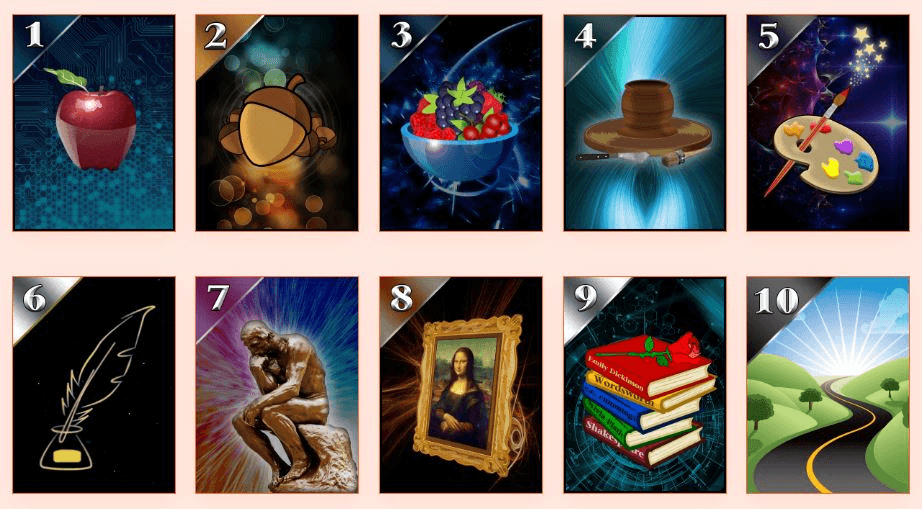
**Curio Cards** made history as the **first art project** to bring physical artwork onto the Ethereum blockchain. The collection features diverse artistic mediums: - **Daniel Friedman's Cards**: Hand-drawn using traditional pen on paper - **Marisol Vengas' work**: Mixed media layered collage techniques - **Cryptograffiti's pieces**: Physical stickers placed on ATMs This groundbreaking project demonstrates how **traditional art forms** can be tokenized and preserved on-chain, bridging the gap between physical and digital art ownership. The collaboration showcases the **versatility of crypto art**, proving that blockchain technology can accommodate various artistic expressions beyond purely digital creations.