Stablecoin Payments Eliminate Gas Token Management for Agents
Stablecoin Payments Eliminate Gas Token Management for Agents
🤖 Agents ditch gas tokens

A new abstraction layer enables agents to conduct all transactions using USDC without managing gas tokens like POL or ETH.
Key Features:
- Direct USDC payments for all transactions
- No need to hold or manage native gas tokens
- Automated handling through abstraction layer
- Simplified transaction process for autonomous agents
This development removes a significant friction point in blockchain operations, where users previously needed to maintain separate gas token balances alongside their transaction currencies. The abstraction layer automatically handles gas fee conversions behind the scenes, allowing agents to operate with a single stablecoin balance.
Polygon OMS Launches Embedded Wallets for Instant Customer Onboarding
Polygon has introduced embedded wallets as part of its Open Money Stack (OMS), allowing businesses to automatically provision wallets for customers at signup. **Key Features:** - Instant wallet creation during customer registration - Built-in capabilities to send, hold, and earn from day one - Integrated funding, payouts, and currency conversion in unified stack - Connects to existing OMS infrastructure including payins, payouts, accounts, and orchestration This follows recent OMS additions including automated stablecoin subscriptions via ConfirmoPay and native PYUSD integration.
T-REX Network Secures $100B in Tokenized Assets on Polygon Compliance Layer
**T-REX Network**, led by CEO Daniel Coheur, has established a compliance infrastructure trusted by a $3.5 trillion asset servicer to manage **$100 billion in tokenized assets**. **Key Details:** - The compliance layer is built on Polygon's dedicated network - T-REX Network specializes in bringing compliant securities onchain - The platform addresses regulatory requirements for tokenized real-world assets This development demonstrates growing institutional confidence in blockchain infrastructure for managing large-scale tokenized securities. The partnership between T-REX Network and Polygon represents a significant step toward mainstream adoption of compliant digital asset management. The collaboration highlights the importance of regulatory compliance frameworks as traditional finance increasingly explores tokenization solutions.
Polygon Open Money Stack Offers Full Transaction Visibility Across Payment Layers
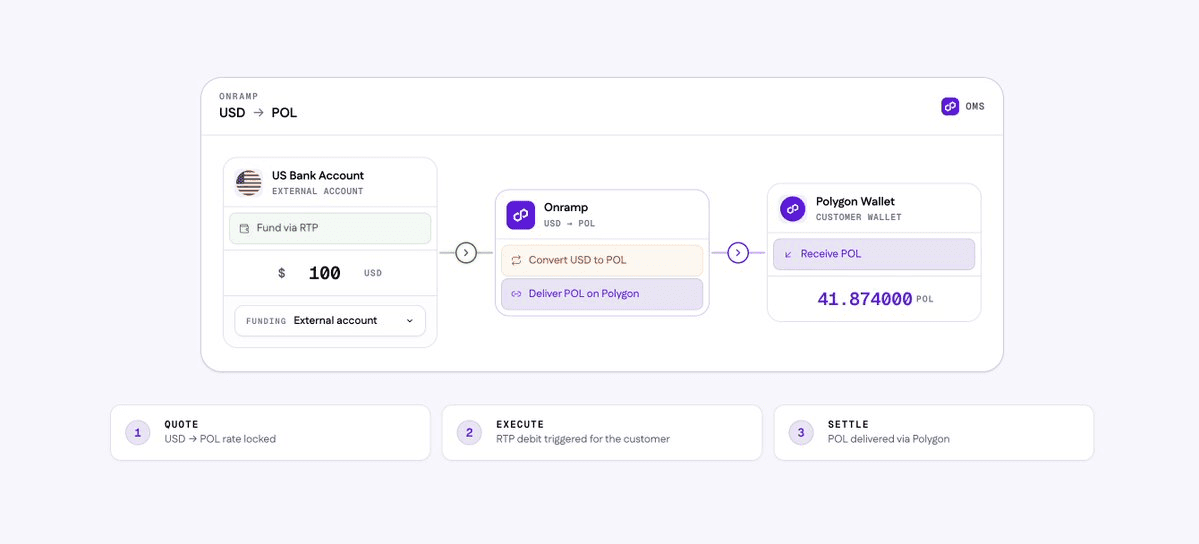
Polygon has launched the Open Money Stack, a payment infrastructure that provides complete transparency into cross-border transactions. **Key Features:** - Full visibility into transaction routing from initiation to settlement - Interactive tracking through stablecoin conversion and chain routing stages - Fiat-to-stablecoin conversion on both ends of transactions - Settlement completed in seconds at minimal cost Unlike traditional payment rails that obscure intermediate steps, this system allows users to trace each phase of their payment journey in real-time.
Polygon Joins x402 Foundation to Establish Open Internet Payment Standards
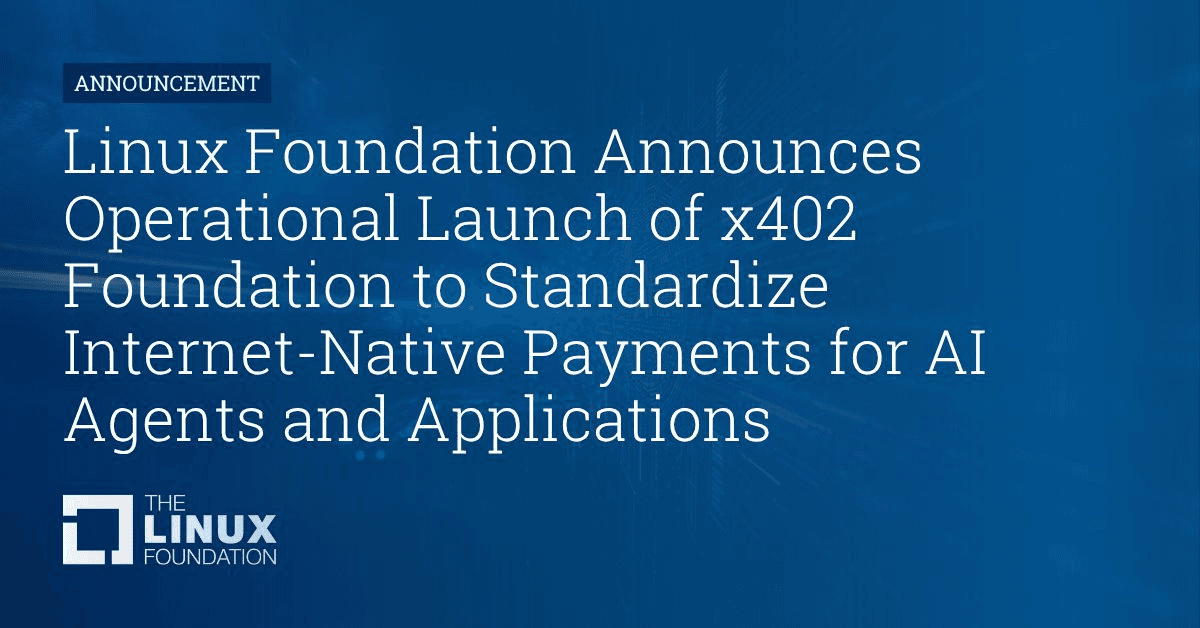
Polygon has announced its membership in the **x402 Foundation**, a newly-formed organization focused on creating neutral, open standards for internet payments. **Key Points:** - The foundation aims to make online payments **open, free, and effortless** - Serves as a neutral space where competitors and different payment methods collaborate - Focus on developing open standards for **AI agentic commerce** - Brings together various stakeholders to establish unified payment protocols The x402 Foundation represents an industry effort to standardize how payments function across the internet, particularly as AI-driven commerce becomes more prevalent.
HIFI Processes Over $227M in Settlements via Polygon and Circle Networks
HIFI has settled more than $227 million since January 2025 through Polygon's infrastructure, according to a recent case study. The platform has demonstrated significant growth in stablecoin payment processing: - Processed over $100M through Circle Payments Network (CPN) - Handled more than $500M in USDC transactions as of March 2026 - Enables single-network connection for multiple payment routes HIFI's integration with CPN supports developers building stablecoin-native applications across several use cases: - Cross-border remittances - Payroll systems - Marketplace payment distributions - Treasury management workflows The partnership between HIFI and Circle's payment network provides compliant connectivity for stablecoin-based financial products, helping expand market reach and accelerate cross-border money movement.