🔍 Satoshi Mystery Deepens
🔍 Satoshi Mystery Deepens
🔍 Satoshi Mystery Deepens

A rare Satoshi Relic has emerged containing three historic transaction markers that tell a compelling story of Bitcoin's early days.
The relic features:
- SAT sigil - Direct link to Satoshi Nakamoto's wallet
- BURN sigil - Transaction sent to unspendable address
- FAN sigil - Fanout with 100x more outputs than inputs
These sigils represent a new class of Ordinals that capture historic Bitcoin transactions. Each relic serves as a narrative artifact from blockchain history.
The combination of these three rare markers in a single transaction makes this relic particularly significant for collectors and Bitcoin historians.
Bitcoin Transaction Becomes Mathematically Guaranteed 1/1 Artwork
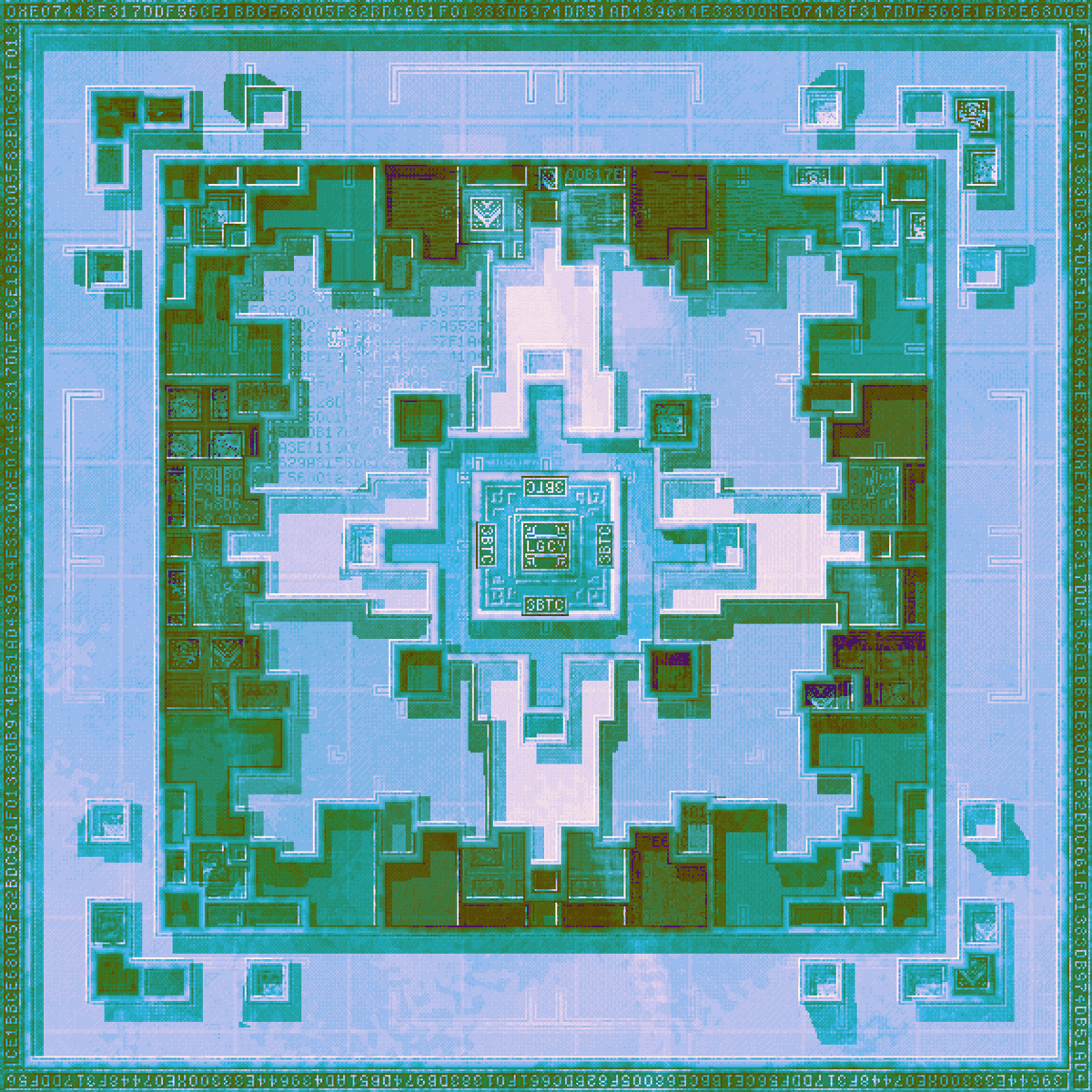
**Satoshi Relics transforms Bitcoin transactions into unique art pieces** A new artwork has been generated from a single Bitcoin transaction that represents a core moment in Bitcoin history and culture. The piece is a mathematically guaranteed 1/1 - meaning it's truly one-of-a-kind. **How it works:** - Each Bitcoin transaction can be turned into a unique artwork on demand - The art is generated from the actual transaction data itself - Not a pre-minted collection - pieces are created when requested **Recent examples include:** - Art from a 3 BTC wallet transfer transaction - A piece generated from the first recursive Ordinal inscription - Transaction data folded back into itself as art With over 1.2 billion Bitcoin transactions recorded, each one represents a potential Relic waiting to be created. The project turns blockchain history into collectible art, preserving significant moments in Bitcoin culture.
Solo Bitcoin Miner Beats Astronomical Odds Again via Umbrel Public Pool
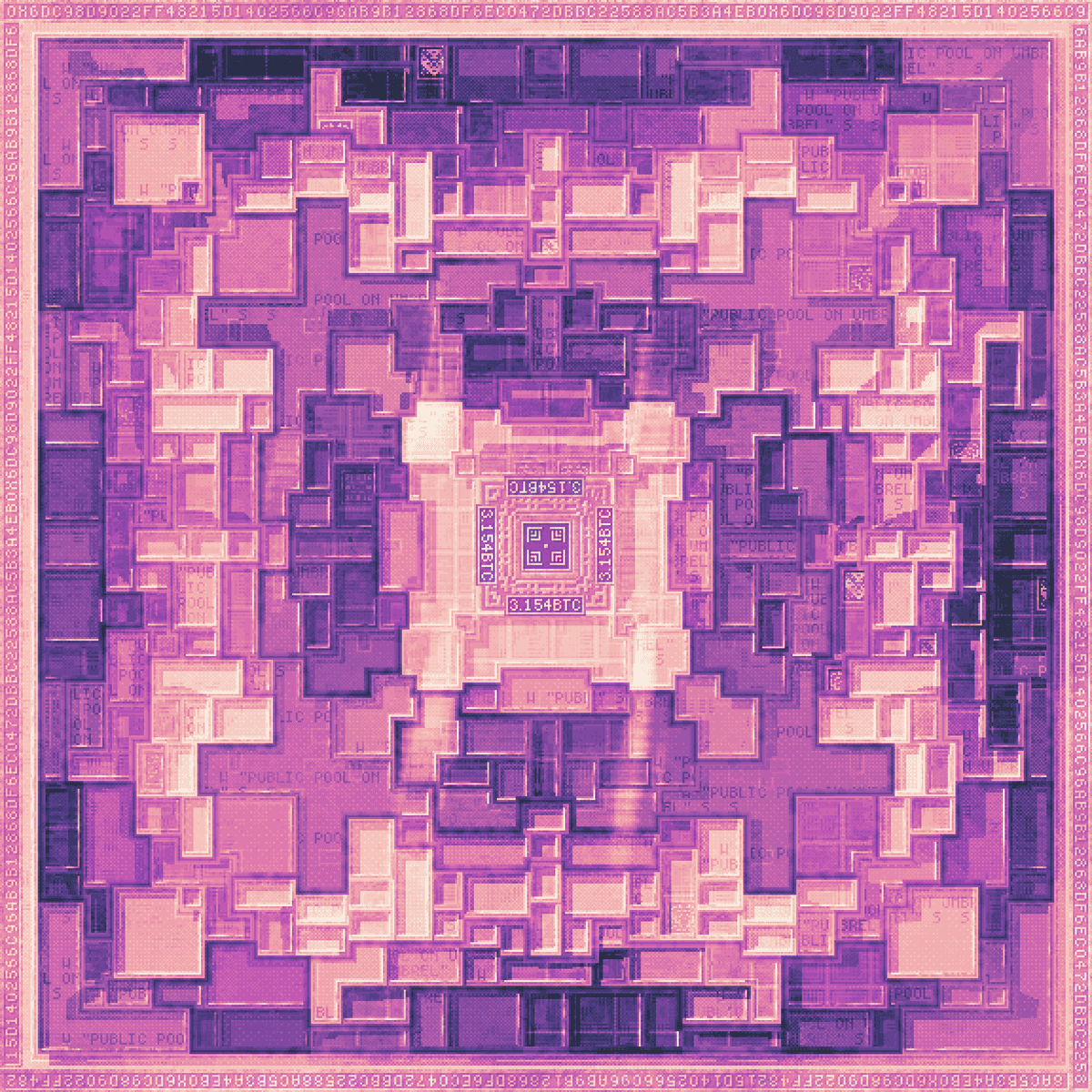
**Another solo-mined Bitcoin block has been discovered**, marking the second occurrence in less than a week through Umbrel's Public Pool. - An Umbrel user successfully mined block 948146, continuing a remarkable trend of solo mining success in 2026 - This represents the **5th solo-mined block this year** through the platform - Each successful solo mine generates a unique 1/1 ordinal from the coinbase transaction, archived as a Satoshi Relic Solo mining a Bitcoin block is an extremely rare event, with odds comparable to winning a major lottery. The clustering of these successes through Umbrel's Public Pool represents a notable statistical anomaly in Bitcoin's mining landscape.
Early Ordinals Inscriptions Commemorated Through On-Chain Relic Generation
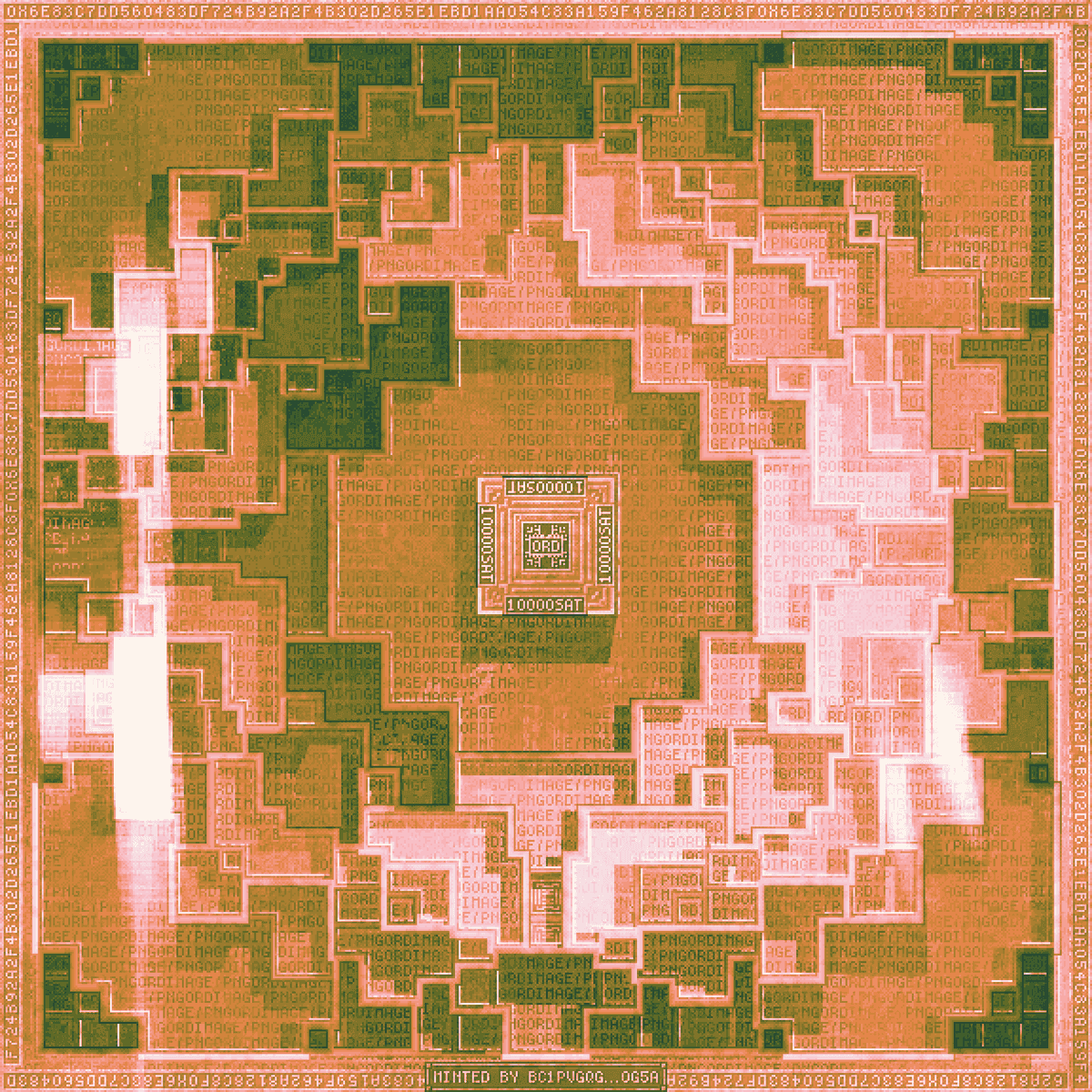
A tribute to early Bitcoin Ordinals inscriptions below number 100,000, recognizing pioneers who experimented with the protocol before its widespread adoption. **Key Details:** - A Relic was generated 1:1 from the transaction that inscribed the first SATS token by @harto_fr and @vivid_ordinals - The commemoration highlights early adopters who took risks on unproven technology - Focus on inscriptions created with intentionality and respect for the Bitcoin blockchain medium The recognition emphasizes how these early inscriptions weren't just experimental—they established lasting foundations for the Ordinals ecosystem.
Satoshi Relics Transform Bitcoin Transactions Into Permanent On-Chain Artifacts
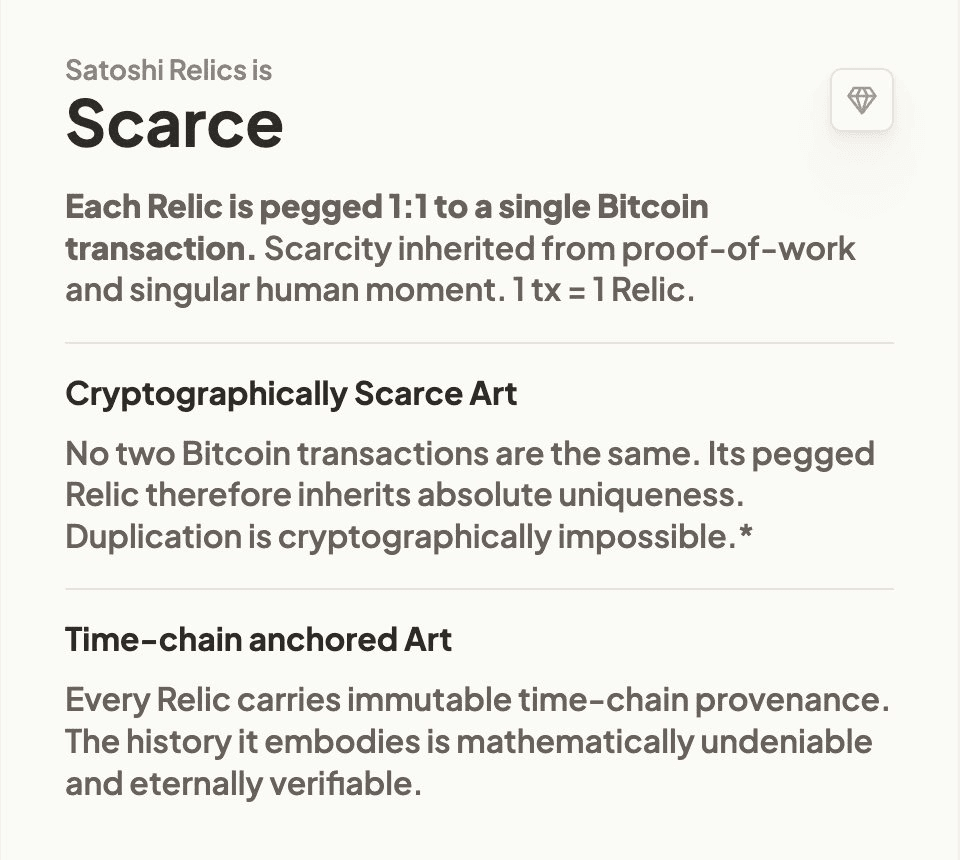
**Satoshi Relics** is a new project that converts individual Bitcoin transactions into unique Ordinal artworks, directly linking each piece to proof-of-work energy expenditure. **Key mechanics:** - Each Relic derives from a single Bitcoin transaction - Scarcity inherited from proof-of-work consensus - Energy spent once, preserved permanently on-chain - Over 1.3 billion transactions available as potential Relics **Current adoption:** - 97 of the first 100 coinbase transactions now minted as Relics - Owned by Bitcoin users, not centralized entities The project frames Bitcoin's transaction history as collectible artifacts, with artistic elements generated from transaction data itself.
Satoshi Relics Launches Bitcoin Transaction Art Collection on January 27
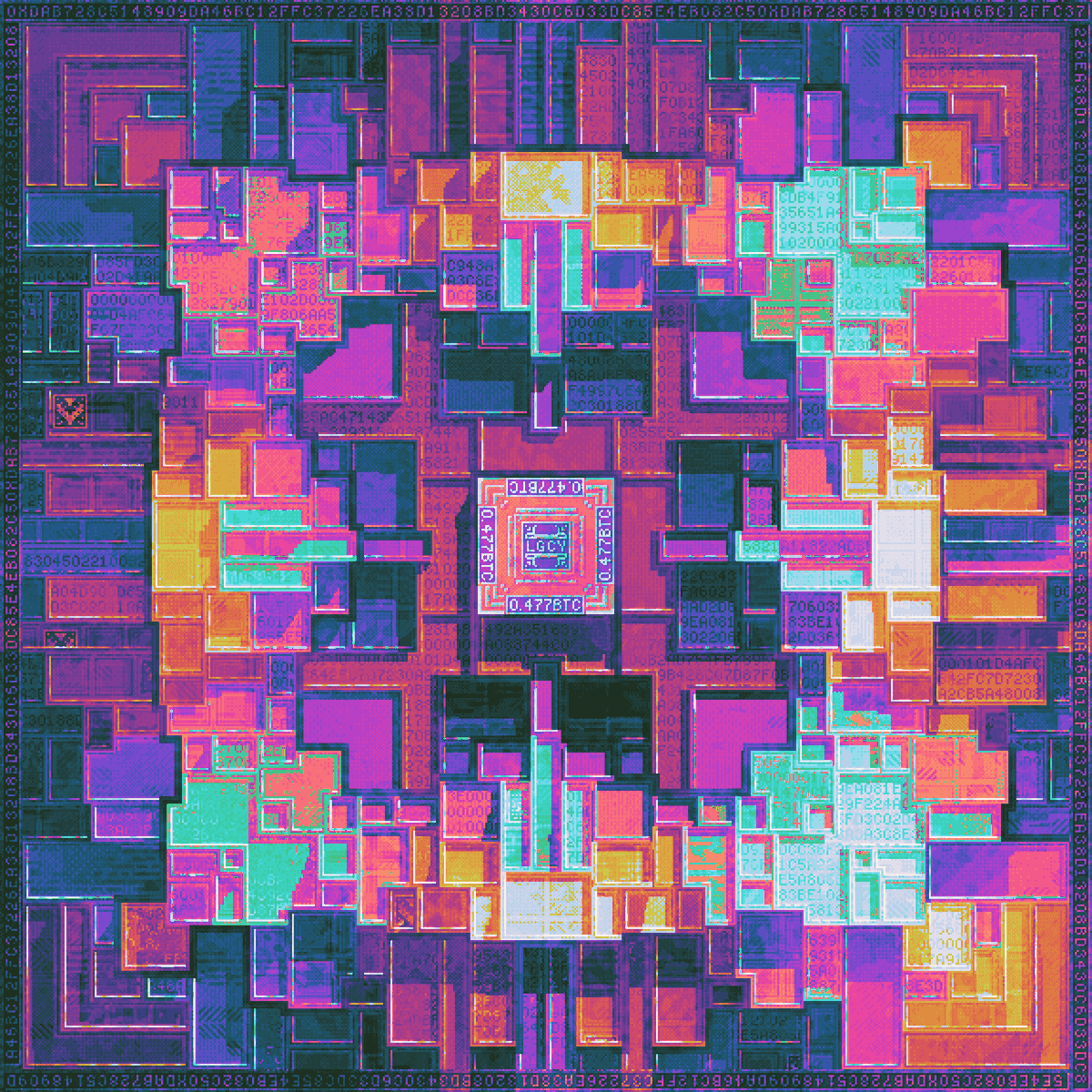
**Satoshi Relics** is launching a generative art collection on Bitcoin that transforms blockchain transactions into unique artworks. **Key Details:** - Mint date: January 27, 2026 at 10 AM PT - Art pieces generated from actual Bitcoin transaction data - Not pre-minted - each piece created on demand from transaction history - Part of the Ordinals ecosystem on Bitcoin **How It Works:** The project decodes Bitcoin transaction data and encodes it into visual pixels, turning the blockchain's 1.2 billion+ transactions into individual art pieces called "Relics." The team positions this as capturing Bitcoin's history through generative art, with each transaction becoming a unique artwork.