No OP Radio This Week
No OP Radio This Week

The next episode of OP Radio will be available next week. In the meantime, you can check out past episodes featuring the co-founder of farcaster_xyz on platforms like Youtube, Apple, and Spotify. The NFT version is also available to collect.
Three Major South Korean Financial Institutions Adopt OP Stack Infrastructure
**Three major South Korean financial players have chosen OP Stack as their blockchain infrastructure within a three-month span:** - **Toss**, the fintech platform serving 30M users (two-thirds of South Korea), is testing a Won-backed stablecoin with Optimism and PrivacyBoost - **DB Securities** signed an MOU to build security token offering (STO) and real-world asset (RWA) infrastructure for Jeju - South Korea's **largest exchange** also joined the platform The common thread: all three want infrastructure they can customize and control for their specific products. **Privacy Boost**, the first privacy solution on OP Stack, encrypts transfers and contract logic while maintaining regulatory compliance and auditability. It's already live on OP Mainnet and Soneium. The Toss pilot will test whether digital currency can meet Korea's strict compliance, privacy, and control requirements over the next three months. Read more: [Toss Partnership Details](https://optimism.io/blog/two-thirds-of-south-korea-runs-its-money-through-toss-now-toss-is-exploring-putting-the-won) | [DB Securities MOU](https://optimism.io/blog/db-securities-signs-mou-to-build-sto-and-rwa-infrastructure-for-jeju-on-the-op-stack)
QuickNode Earn Launches on OP Mainnet
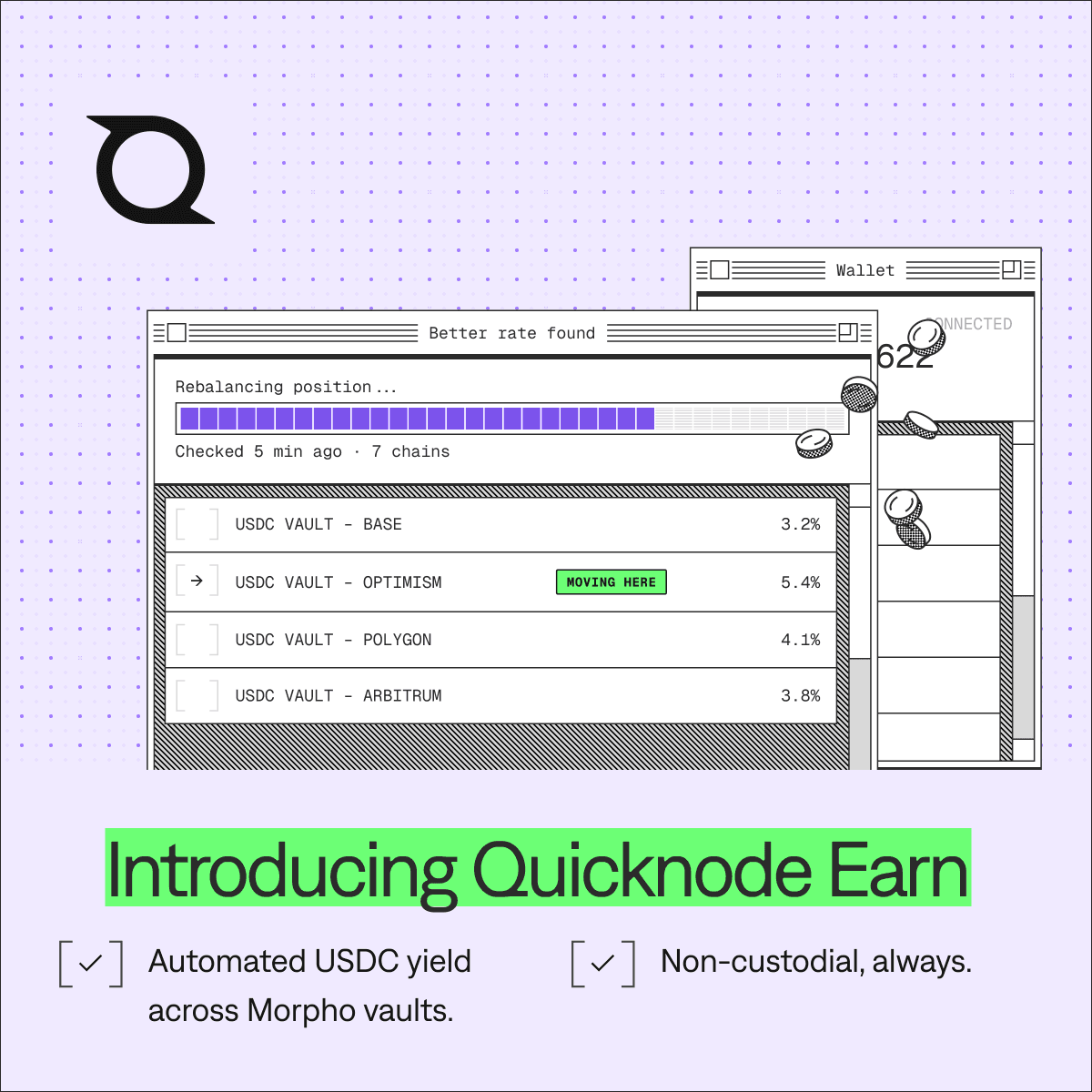
QuickNode has launched its Earn product on OP Mainnet, marking another milestone for the infrastructure provider's expansion on the OP Stack. The deployment brings QuickNode's earning capabilities to Optimism's Layer 2 network, allowing users to access staking and yield opportunities directly on the platform. **Key Points:** - QuickNode Earn now available on OP Mainnet - Continues QuickNode's integration with OP Stack infrastructure - Expands earning options for Optimism ecosystem users The Optimism team expressed enthusiasm about QuickNode's continued development on their platform, signaling ongoing collaboration between the two projects.
Ink Scales Onchain Finance Through Trusted Apps on OP Enterprise
**Ink's approach to scaling onchain finance** focuses on integrating blockchain technology into applications users already trust, keeping the underlying chain invisible to end users. **The key to this strategy** is maintaining a reliable settlement layer that can handle high transaction volumes. Ink achieves this by running on OP Enterprise Fully Managed infrastructure. - Enables seamless user experience without exposing blockchain complexity - Provides programmable financial infrastructure for large-scale growth - Ensures dependable performance as transaction volume increases This partnership demonstrates how enterprise-grade blockchain infrastructure can support mainstream financial applications.
Privacy Boost Goes Live on OP Mainnet and Soneium for Toss Won Stablecoin Trial
**Privacy Boost is now deployed on OP Mainnet and Soneium**, marking a significant step in bringing confidential transactions to the OP Stack. The deployment sets the stage for **Toss to run a won-linked stablecoin trial** reaching approximately 30 million users in South Korea. Toss, which handles financial transactions for two-thirds of South Korea, partnered with Optimism to explore blockchain-based digital finance infrastructure. **Key features of Privacy Boost:** - Encrypts transfers and contract logic while maintaining transaction auditability for compliance - Supports pre-confirmations, enabling private transfers within one second - Provides institutions with privacy while allowing regulators to maintain oversight The three-month proof of concept will test whether the Won can settle onchain while meeting Korea's strict compliance, privacy, and control requirements. This represents a practical test case for **tokenized finance with built-in confidentiality** from the start. More details: [Cointelegraph coverage](https://cointelegraph.com/news/south-korea-toss-partners-optimism-won-stablecoins) | [Optimism blog](https://optimism.io/blog/two-thirds-of-south-korea-runs-its-money-through-toss-now-toss-is-exploring-putting-the-won)
🇰🇷 Toss and Optimism Test Won Stablecoin
**Optimism partners with Toss to explore blockchain-based finance in South Korea** Toss, the financial super-app used by over 30 million South Koreans (two-thirds of the population), has signed an MOU with Optimism to test putting the Korean Won onchain. **Key details:** - Three-month proof of concept launching with Optimism, PrivacyBoost, and Toss - Testing a Won-backed stablecoin built on the OP Stack - Focus on meeting Korea's compliance, privacy, and control requirements - Toss handles banking, payments, investing, credit, and taxes for users The pilot will determine whether money can settle onchain while maintaining regulatory standards. If successful, this could establish the OP Stack as infrastructure for compliant digital finance at national scale. [Read the full announcement](https://optimism.io/blog/two-thirds-of-south-korea-runs-its-money-through-toss-now-toss-is-exploring-putting-the-won) | [Cointelegraph coverage](https://cointelegraph.com/news/south-korea-toss-partners-optimism-won-stablecoins)