Lido Finance Implements Dual Governance System
Lido Finance Implements Dual Governance System
🎭 Governance Gets a Wingman

Lido Finance has successfully implemented a dual governance system built on Aragon's infrastructure. This significant update enhances user protection and decentralized control in several ways:
- Stakers now have direct voting influence
- New checks and balances system implemented
- Strengthened governance mechanisms
The implementation represents a major step forward for DAO governance structures, demonstrating how decentralized organizations can maintain security while expanding stakeholder participation.
Built on Aragon's framework, this upgrade showcases practical applications of multi-layered governance in DeFi protocols.

Big moves from @LidoFinance: dual governance is coming 🗳️ This is a huge milestone for decentralized checks and balances in DAOs, and we're proud to have Lido’s governance built on Aragon 🫡

Lido DAO Governance Update The big vote - Dual Governance - is now live, together with multiple June Snapshot votes. Snapshots: June 23, 4PM UTC → June 30, 4PM UTC Aragon: June 25, 2PM UTC → June 30, 2PM UTC ↓

🎉 Dual Governance: Approved. A huge milestone for user protection, and we’re proud to have Aragon at the core. This marks a new era where stakers have a real say, and governance gets stronger through checks, not shortcuts. Congrats @LidoFinance!
Dual Governance: Approved 🎉 LDO holders have approved Dual Governance: a dynamic timelock system giving stETH holders a say in the governance of Lido DAO. Here’s what happens next. ↓
New DeFi Access Control Risk Analysis Released for USD3
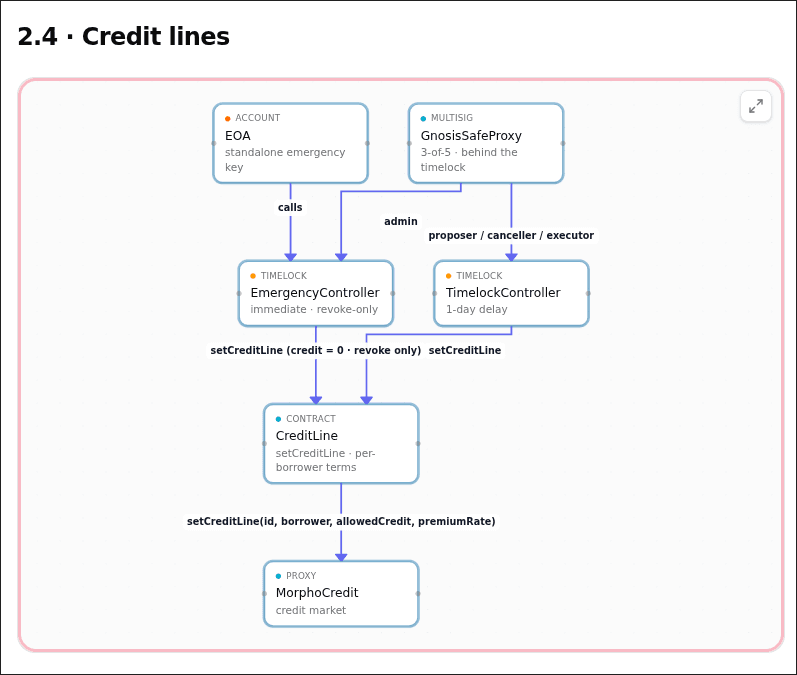
A comprehensive analysis of access control configurations in DeFi has been released, focusing on USD3 as a case study. **Key findings:** - Deep dive into how access control is configured across DeFi assets - Identifies risks created by current permission configurations - Sample report available examining USD3 specifically This research addresses a critical gap in how permission risk is currently audited and monitored in decentralized finance. Access control represents one of DeFi's biggest risk vectors, yet systematic analysis of these configurations has been limited. The findings are available for review at the provided link.
🗳️ Private Voting Tech
A discussion exploring recent advances in private voting technology is taking place. The conversation features experts discussing **Interfold**, a secret ballot solution, and the underlying network infrastructure that powers it. The session aims to explain how these privacy-preserving voting mechanisms work and their potential applications for decentralized organizations.
Interfold Launches FOLD Token for Confidential Execution Governance
Interfold has launched **FOLD**, a governance token designed to protect confidential execution properties within its network. **Key Points:** - FOLD serves as a critical component of Interfold's long-term network architecture - The token enables participation in network governance decisions - Focus on maintaining confidential execution while ensuring decentralized control The launch represents Interfold's approach to balancing privacy-preserving technology with community-driven governance structures.
Aragon Launches Tokenomics Stack for Protocol Value Accrual
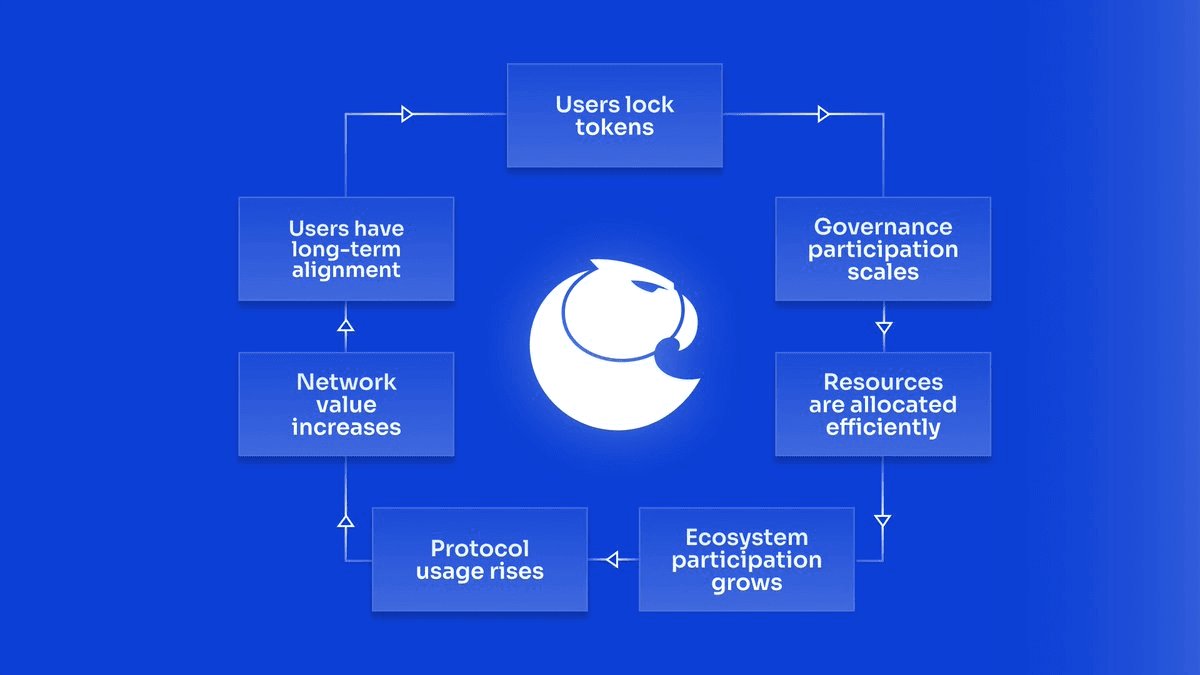
Aragon has released a tokenomics infrastructure stack that enables protocols to deploy ve-lockers, gauges, and capital routing mechanisms. The modular system aims to convert token emissions into measurable value accrual. **Key components:** - **ve-lockers**: Allow token holders to lock assets for time-weighted voting power - **Gauges**: Enable veToken holders to vote on directing emissions - **Capital routing**: Automates treasury spending and resource allocation The framework integrates with Aragon's governance tools, allowing protocols to align incentives and track outcomes onchain. The system is designed for both early-stage and established protocols. Learn more: [Aragon Tokenomics](https://www.aragon.org/tokenomics)
Aragon Partners with Generic Money for Onchain Yield Generation
Aragon has announced a partnership with Generic Money to enable networks to generate onchain yield for ecosystem development. **Key Points:** - Generic Money's neutral stablecoin infrastructure integrates with Aragon's value accrual primitives - The collaboration aims to help web3 projects capture and distribute more value - Partnership builds on Aragon's existing multi-chain presence across Ethereum, Polygon, Base, Arbitrum, Optimism, zkSync, BNB Chain, and Peaq The integration allows organizations using Aragon's governance and tokenomics tools to direct generated yield toward ecosystem growth initiatives.