KUSD Stablecoin Launches with Real-World Trade Finance Backing
KUSD Stablecoin Launches with Real-World Trade Finance Backing
💰 Stablecoins that actually earn


KUSD is a new stablecoin that can be minted with existing stablecoins and staked as sKUSD to earn rewards.
How it works:
- Deposit stablecoins → mint KUSD → stake for sKUSD
- Backing stablecoins are deployed as short-term credit to verified borrowers against their receivables
- When invoices clear, principal + fees flow back to sKUSD holders
Key features:
- Target base reward rate: ~10%
- Rewards come from actual trade receivables, not token emissions
- Backed by real-world payment flows ($200T+ global payments market)
- Designed to maintain returns during crypto downturns
DeFi strategies available:
- Provide liquidity in KUSD/stablecoin pairs
- Loop on lending markets to potentially reach 20-25% returns
- No lockups required
Unlike typical on-chain stablecoin rewards that compress to 2-3% in bear markets, KUSD's returns are tied to real economy activity that continues regardless of crypto prices.
Base layer (where sKUSD rewards will come from): Deposit stablecoins → mint KUSD → stake into sKUSD. Institutions draw short-term liquidity to settle payments → repay principal + interest → capital gets reused. Those repayments will fund rewards in sKUSD. Base target:
This is where KUSD comes in. Depositors will be able to mint KUSD with stablecoins and stake for sKUSD. The stablecoins backing KUSD get deployed as short-term credit to verified borrowers against receivables they already hold. When the invoice clears, principal plus fee flows

7/ Why this matters in a bear market: On-chain stablecoin reward rates have compressed to ~2-3% right now. That's because on-chain rewards are directly tied to crypto prices and activity. When markets cool, rewards collapse. Some funds have shut down entirely. But neobanks,
⍛ How sKUSD stays active in crypto winter: Unlike typical on-chain stablecoin rewards that compress to 2-3% in bear markets, sKUSD targets a ~10% base reward rate (up to ~25% with DeFi LP and looping) backed by real-world payment flows. The real economy continues regardless of

Crypto winter compresses rewards across DeFi. sKUSD is built differently. It earns from payment settlement demand, not market speculation. Here's how ↓
From Kelp: Rewards Even When Markets Shake Markets move. Tokens fluctuate. But payments don't stop. Every day, $200T+ flows through global payments. Trade finance. Remittances. Cross-border settlements. That flow doesn't pause for market cycles and neither do the returns it

sKUSD is designed to earn from trade receivables. Not tokens. Not funding rates. Not emissions from a pool that needs to keep growing. The rewards come from actual credit extended to actual businesses doing actual trade. It doesn't vanish in a downturn. Commerce doesn't stop.
11/ The bottom line: KUSD isn't another stablecoin play that dies in a bear market. It's backed by $200T in real-world payment flows, not crypto activity. ~10% base reward rate. Up to ~25% with DeFi strategies. No lockups. Revenue that feeds KERNEL. Bear market? Doesn't
8/ The DeFi power-up: Two main strategies with KUSD: ✧ Provide liquidity (KUSD/stablecoin pair on a DEX): earn swap fees + potential incentives. Buy and sell anytime, no lockups. ✧ Looping on lending markets: deposit KUSD, borrow stablecoins at ~4%, convert back to KUSD
✧ KUSD insights ⍛ How KUSD creates value for $KERNEL: KUSD generates real dollar-denominated revenue from institutional payment settlements, trade finance, and remittances. A portion of these rewards accrues directly back to the $KERNEL token, providing sustainable value
KUSD is the next growth chapter for $KERNEL KUSD is not just another stablecoin. It is Kelp’s entry into real financial activity and it materially expands what $KERNEL can capture. ↓
wrsETH Reaches $110M on Aave v3 Mantle Market
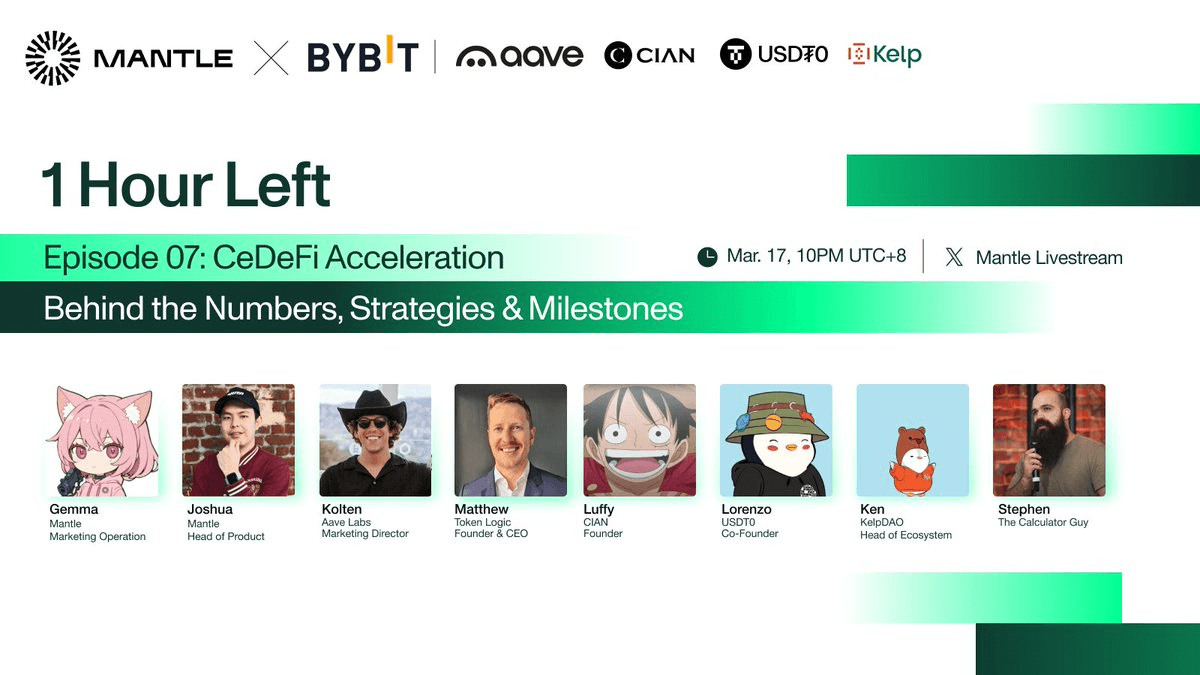
wrsETH has become the fastest growing asset on Aave v3's Mantle market, reaching approximately $110M in total supplied value. **Key Details:** - Boosted rewards program extended until April 15 - Growth represents significant expansion from $25M in late February - Part of broader Mantle DeFi ecosystem that crossed $1B in under a month **Reward Structure:** - Base restaking rewards - MNT incentives - 15 bps subsidy from Kelp - Looping rewards from borrow spread Users can supply wrsETH as collateral, borrow against it, or utilize looping strategies to amplify restaking exposure. [Supply wrsETH on Aave](https://app.aave.com/reserve-overview/?underlyingAsset=0x93e855643e940d025be2e529272e4dbd15a2cf74&marketName=proto_mantle_v3)
sKUSD Stablecoin Offers 8-10% Yields from Trade Receivables
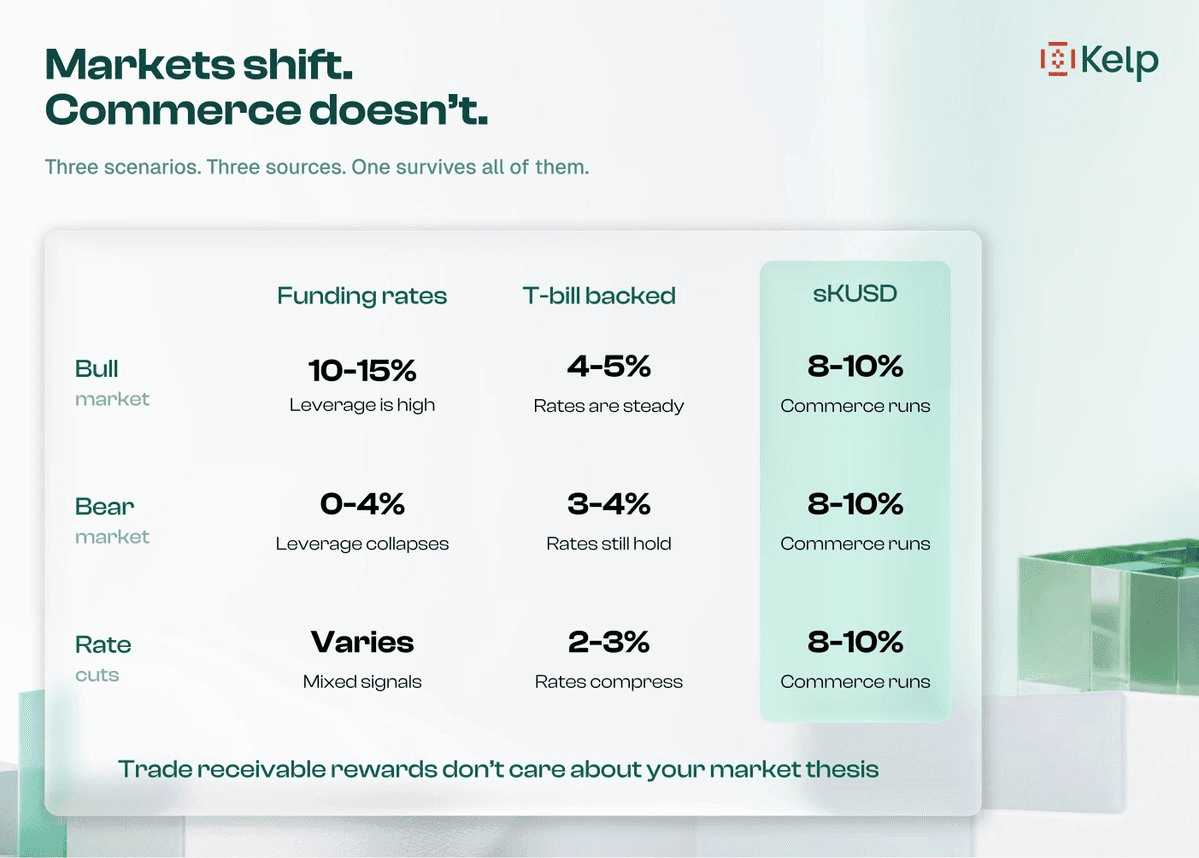
**KelpDAO's sKUSD stablecoin** provides 8-10% rewards backed by trade receivables and global commerce flows, offering an alternative to traditional stablecoin yield sources. **Traditional yield sources have limitations:** - Funding rates fluctuate with leverage levels - T-bill yields depend on Federal Reserve policy - Both compress during changing market conditions **sKUSD's approach differs** by deriving rewards from receivables, payments, and settlement flows tied to real economic activity rather than market cycles. This positions it between high-reward crypto yields that vanish during downturns and real-world backing typically limited to 4-5% returns. The protocol aims to provide consistent yields independent of crypto market conditions by tapping into global commerce infrastructure.
Kelp Connects Onchain Capital to $2.5T Unfunded Trade Finance Gap
**Kelp is bridging DeFi liquidity with real-world trade finance needs.** Of the $10 trillion moving through global trade finance annually, $2.5 trillion remains unfunded. **How it works:** - sKUSD token earns returns from short-term receivables in trade and cross-border payments - Yields come from actual commerce settlement, not crypto market speculation - Targets $9-11 trillion locked in idle settlement buffers and receivables globally **The model:** While traditional stablecoins sit idle, KUSD generates returns backed by real payment flows and trade finance activity. Credit moves alongside settlement rather than weeks after, creating a practical bridge between DeFi capital and traditional finance infrastructure. Co-founder Amit detailed the approach at NextFin NYBW, explaining how programmable settlement rails can power working capital in payments and trade.
KelpDAO and Mantle Discuss rsETH Growth in Upcoming Live Session
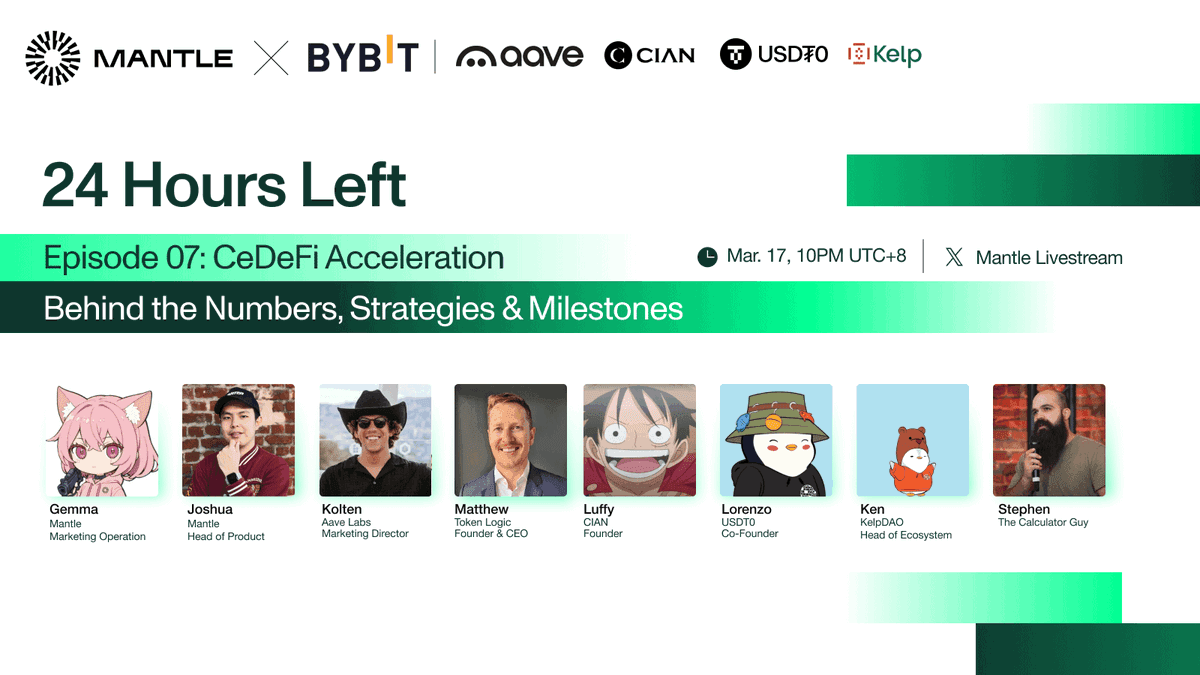
KelpDAO's head of ecosystem will join Mantle for a live discussion about rsETH's expansion on the Mantle network. **Key Details:** - Live session featuring KelpDAO and Mantle representatives - Focus on rsETH growth metrics and momentum on Mantle - Discussion will cover what's driving continued adoption The conversation aims to explore how rsETH, KelpDAO's liquid restaking token, is performing within Mantle's ecosystem and the factors contributing to its growth trajectory.