🇰🇪 Kenya Passes Crypto Regulation Bill
🇰🇪 Kenya Passes Crypto Regulation Bill
🏛️ Kenya's crypto decision


Kenya's Parliament has officially passed the Virtual Asset Service Providers Bill, marking a significant step toward comprehensive cryptocurrency regulation in the East African nation.
The legislation aims to:
- Establish regulatory framework for crypto service providers
- Enhance consumer protection in digital asset transactions
- Bring clarity to the previously uncertain regulatory landscape
This move follows similar regulatory efforts across Africa, with Ghana having introduced cryptocurrency platform licensing earlier this year to boost revenue and oversight.
The bill represents Kenya's commitment to balancing innovation with investor protection as crypto adoption continues growing across the continent.
Crypto Markets Gain $75B as U.S.-Iran Peace Talks Advance
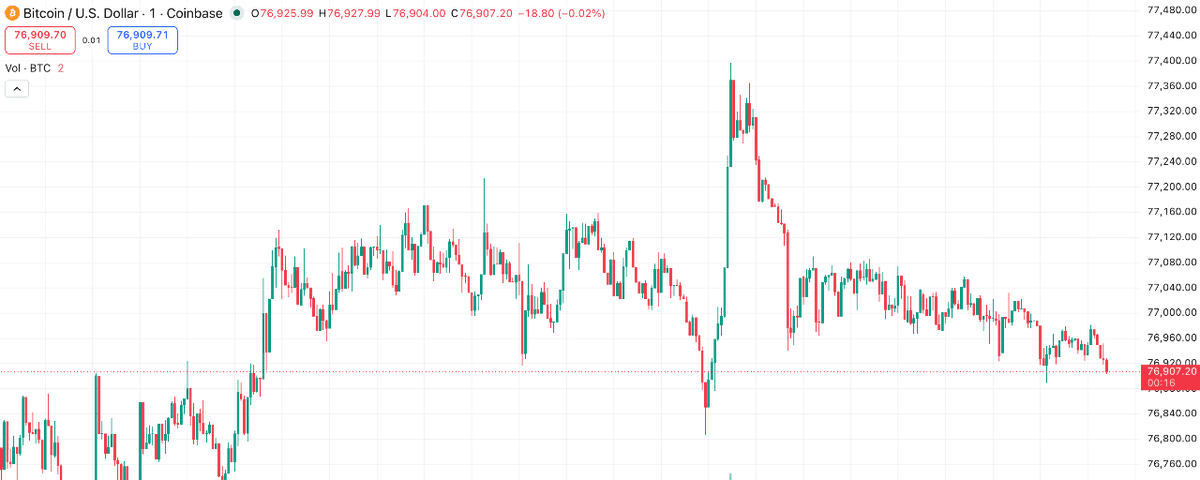
The cryptocurrency market has recovered **$75 billion** following positive developments in U.S.-Iran peace negotiations. **Key Points:** - Market rebound comes after previous volatility linked to geopolitical tensions - Earlier in March, Bitcoin had surged above $73K during the height of U.S.-Iran tensions - Peace deal progress appears to be restoring investor confidence in digital assets - The recovery suggests crypto markets remain sensitive to major geopolitical events This marks a significant shift from the tension-driven rally seen two months ago, with diplomatic progress now driving market sentiment in a more stable direction.
SEC Approves Bitcoin Index Options Trading on Nasdaq

The U.S. Securities and Exchange Commission has officially approved bitcoin price-based index options for trading on Nasdaq. This regulatory milestone comes nearly two years after Nasdaq initially filed for approval in August 2024. **Key Points:** - Bitcoin index options will now be available for trading on a major U.S. exchange - The approval marks a significant step in mainstream crypto derivatives adoption - Options will be tied to bitcoin's price through an index structure This development provides institutional and retail investors with new regulated instruments to gain exposure to bitcoin price movements without directly holding the cryptocurrency. The approval reflects growing regulatory acceptance of crypto-related financial products in traditional markets.
ZORA Token Surges 43% on ZEDXION Exchange
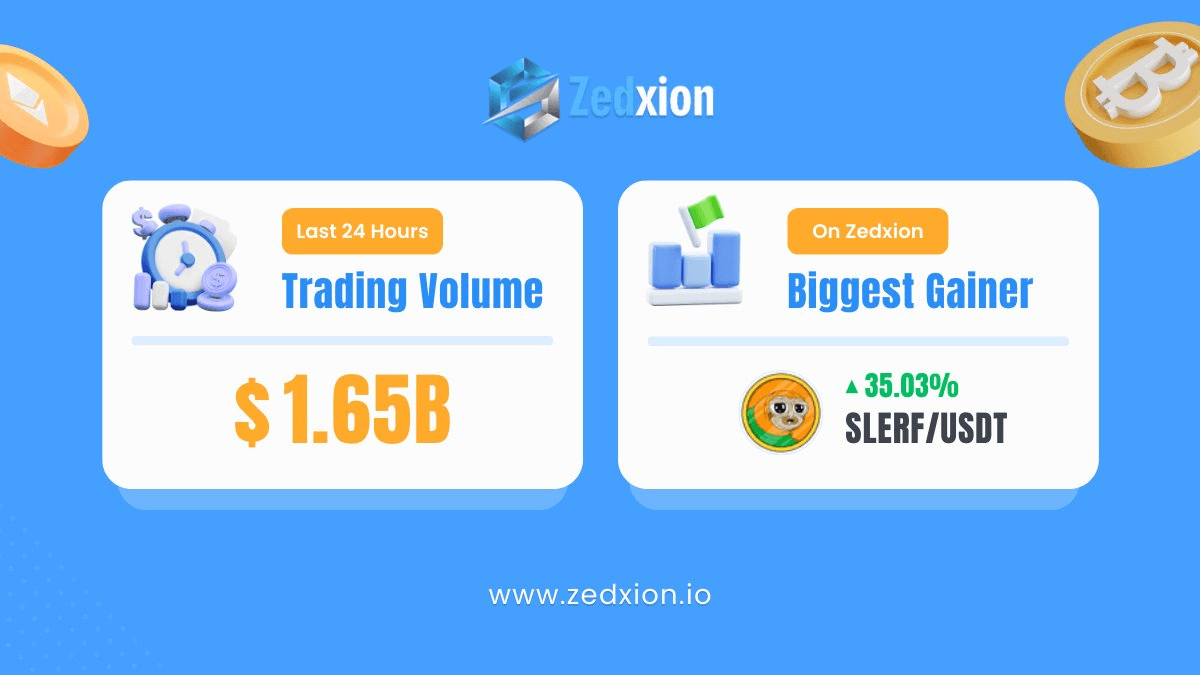
**ZEDXION Exchange Daily Update** ZEDXION cryptocurrency exchange processed **$1.72B in trading volume** over the past 24 hours on February 1, 2026. **Top Performer:** - ZORA/USDT led gains with a **42.68% increase** **Recent Trading Context:** The exchange has maintained consistent volume between $1.2B-$2.2B daily over the past three weeks. Notable recent gainers include: - SYN/USDT: 72.93% (Jan 31) - PIPPIN/USDT: 66.32% (Jan 28) - PIPE/USDT: 170.31% (Jan 26) ZORA/USDT previously surged 72.82% in October 2025, marking its second significant rally on the platform. [Visit ZEDXION](http://zedxion.io)
🇦🇪 Abu Dhabi Launches First UAE-Registered Dollar Stablecoin

An Abu Dhabi-based company has introduced the first US dollar stablecoin officially registered in the United Arab Emirates. This development follows Tether's launch of its federally regulated stablecoin in the United States just two days earlier, marking a significant week for regulated stablecoin expansion. **Key Context:** - The UAE has been working toward stablecoin infrastructure since May 2025, when Abu Dhabi entities first announced plans for a dirham-backed stablecoin - This marks the region's first officially registered dollar-pegged digital asset The launch represents another step in the UAE's broader digital asset strategy and regulatory framework development.
SEC Clarifies: Tokenization Doesn't Exempt Securities from Existing Laws
The U.S. Securities and Exchange Commission has issued new guidance on tokenized securities, making it clear that **tokenization does not alter how securities laws apply**. **Key Points:** - The SEC's guidance emphasizes that converting traditional securities into digital tokens doesn't create regulatory exemptions - This follows previous warnings to crypto firms about bypassing investor protection rules - The clarification addresses the growing trend of tokenized stocks and digital securities The guidance reinforces that regardless of the technology used, securities regulations remain in effect. This means companies issuing tokenized securities must still comply with registration requirements, disclosure obligations, and investor protection standards. This regulatory clarity comes as the SEC continues to evaluate exemptive relief requests from crypto firms seeking to offer tokenized products.