Kelp Contributes 2,000 ETH to DeFi United Recovery Fund
Kelp Contributes 2,000 ETH to DeFi United Recovery Fund
🔧 Kelp delivers recovery pledge

Kelp has delivered its pledged 2,000 ETH contribution to the DeFi United recovery initiative, aimed at restoring rsETH backing to its nominal exchange ratio following an April 18 incident.
Recovery Progress:
- Initial shortfall: 163,200 ETH
- Kelp recovered: ~43,000 ETH
- Arbitrum Security Council secured: 30,700 ETH
- Remaining gap: ~89,500 ETH
The recovery effort, led by Aave, involves contributions from multiple DeFi protocols including Mantle, EtherFi, Lido, Golem, and others. A technical implementation plan has been published covering the restoration of rsETH backing and clearing affected positions across Aave and Compound markets.
Kelp has also submitted a proposal to Arbitrum to release frozen ETH into the recovery fund. The plan aims to restore full backing without socializing losses, pending governance approvals and finalized agreements.

Making right by every rsETH holder is our goal, and this plan is how we get there. The technical implementation plan is now public. It covers restoring rsETH backing, clearing affected positions across @aave and @compoundfinance, and resuming normal market operations across all

x.com/i/article/2048…
Kelp and @aave have been working closely with ecosystem partners since April 18 to coordinate a recovery effort for rsETH holders. We want to share some factual statements about where we are, progress made, and the next steps. @ether_fi @ethena @LidoFinance @golemproject

Kelp has contributed 2,000 ETH from its treasury to DeFi United. This is a one-time contribution, directed towards restoring rsETH’s backing to its nominal exchange ratio and enabling full system recovery.
We have been working closely with Aave to protect rsETH holders and stabilize the broader DeFi ecosystem. We are glad to share that we have reached a clear path forward. The above two mission statements have been the only things on our minds this week. As part of that
Aave service providers and ecosystem partners have established a recovery fund that factors in pending DAO votes, including the Arbitrum governance vote, indicative agreements, and successful execution to restore rsETH’s full backing. We are DeFi United, and resolving this for
Kelp confirms it has fulfilled its pledged contribution to the recovery fund. Post April 18, DeFi United led by @aave has defined the path to restore rsETH backing and return markets to normal operation. We appreciate the support from our partners @Mantle_Official @Consensys
Kelp, alongside @aave, @ether_fi, @LayerZero_Core, @Compound_xyz, and others, has submitted a proposal to @arbitrum to release the ETH frozen after the April 18 incident into DeFi United, our coordinated recovery initiative. Every ETH released moves rsETH holders closer to
After discussions with several stakeholders, Aave service providers, @Ether_fi, @KelpDAO, @LayerZero_Core, @compound_xyz, and others have submitted a governance proposal to the @arbitrum DAO requesting the release of ETH frozen by the Arbitrum Security Council following the April
Kelp Contributes to Orbit Bridge Recovery Plan
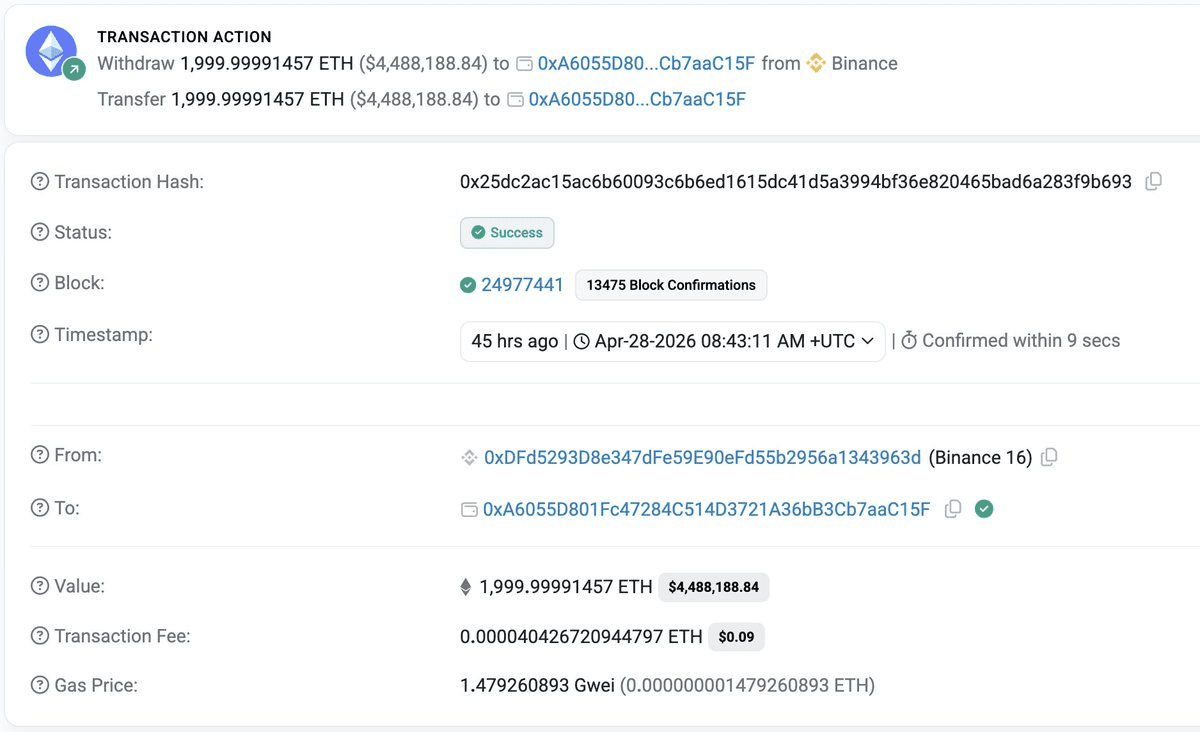
KelpDAO is supporting the recovery of Orbit Bridge following a previous exploit. The multi-phase recovery plan focuses on three key areas: - **Recapitalizing the bridge lockbox** to restore locked funds - **Restoring oracle functionality** for accurate price feeds - **Clearing deficits** across all affected markets Kelp's contribution aims to accelerate the recovery process and help return the bridge system to normal operations. The recovery follows a draft plan initially outlined in October 2025. [Transaction details](https://etherscan.io/tx/0x25dc2ac15ac6b60093c6b6ed1615dc41d5a3994bf36e820465bad6a283f9b693)
KelpDAO Commits to Restoring rsETH Backing Without Socializing Losses
KelpDAO has reaffirmed its commitment to rsETH holders following an incident affecting the token's backing. The team has released a technical implementation plan focused on: - **Restoring full rsETH backing** - **Clearing affected positions** on Aave and Compound - **Resuming normal market operations** across impacted platforms The plan is designed to make rsETH holders whole without spreading losses across the broader community. Implementation requires governance approvals and finalized agreements, with progress updates promised as each milestone is reached. KelpDAO emphasized this approach reflects their internal commitment made before any public statements: ensuring rsETH holders would not be left behind.
🔒 Kelp Hardens rsETH Bridge After LayerZero Exploit Drains 116,500 Tokens
**Kelp has completed a security overhaul of its rsETH bridging infrastructure following an April 18 exploit of LayerZero's hosted infrastructure that drained 116,500 rsETH.** **What happened:** - Attackers forged a cross-chain message through LayerZero's infrastructure - The exploit targeted the bridging adapter, not Kelp's core systems - Kelp's onchain and offchain infrastructure remained unaffected **The response:** - Full security hardening completed as of April 29 - Every parameter now explicitly defined end-to-end - All deviations from LayerZero's defaults strengthen security - System no longer relies on inherited assumptions The upgrade establishes a more resilient baseline for rsETH and demonstrates how cross-chain bridging can adapt after infrastructure-level attacks. Kelp continues investigating more secure long-term cross-chain solutions.
KelpDAO Pauses Bridging, Plans Security Overhaul with Rate Limits and New Infrastructure
KelpDAO has outlined a comprehensive security roadmap following a bridging pause: **Immediate Actions:** - Monitoring locked supply backing bridged assets - Sunsetting low-TVL spoke chains to reduce attack surface - Phased reactivation prioritizing reliability over speed **Development Pipeline:** - Unified backing dashboard for full mainnet and L2 visibility - Built-in rate limits for rsETH under evaluation - Investigation into more secure cross-chain infrastructure providers The protocol emphasizes a measured approach to resuming operations, with a detailed timeline forthcoming. This follows the temporary pause of USDS OFT bridging during an rsETH review, though USDS remains fully collateralized and verifiable onchain.