Historic Ordinals Launch EXquisite Parent Inscription on Bitcoin
Historic Ordinals Launch EXquisite Parent Inscription on Bitcoin
🧡 Bitcoin Gets Permanent

Historic Ordinals has inscribed a new Relic on Bitcoin, generated from the transaction that created the EXquisite parent inscription by @harto_fr.
Key Details:
- Inscriptions are created with deliberate intent and respect for Bitcoin as a medium
- Each piece aims to establish something permanent on the blockchain
- The project focuses on capturing historical moments through on-chain art
Historic Ordinals positions itself as a way to document Bitcoin's history through inscriptions, similar to how transactions naturally record the network's evolution.

Historic Ordinals. 🧡 Inscribed with intent, care, and respect for the medium they live on. They don’t just exist. They begin something lasting. This Relic was generated from the transaction that inscribed the EXquisite parent inscription by @harto_fr.

Ordinals.
Satoshi Relics Transform Bitcoin Transactions into Permanent On-Chain Artifacts
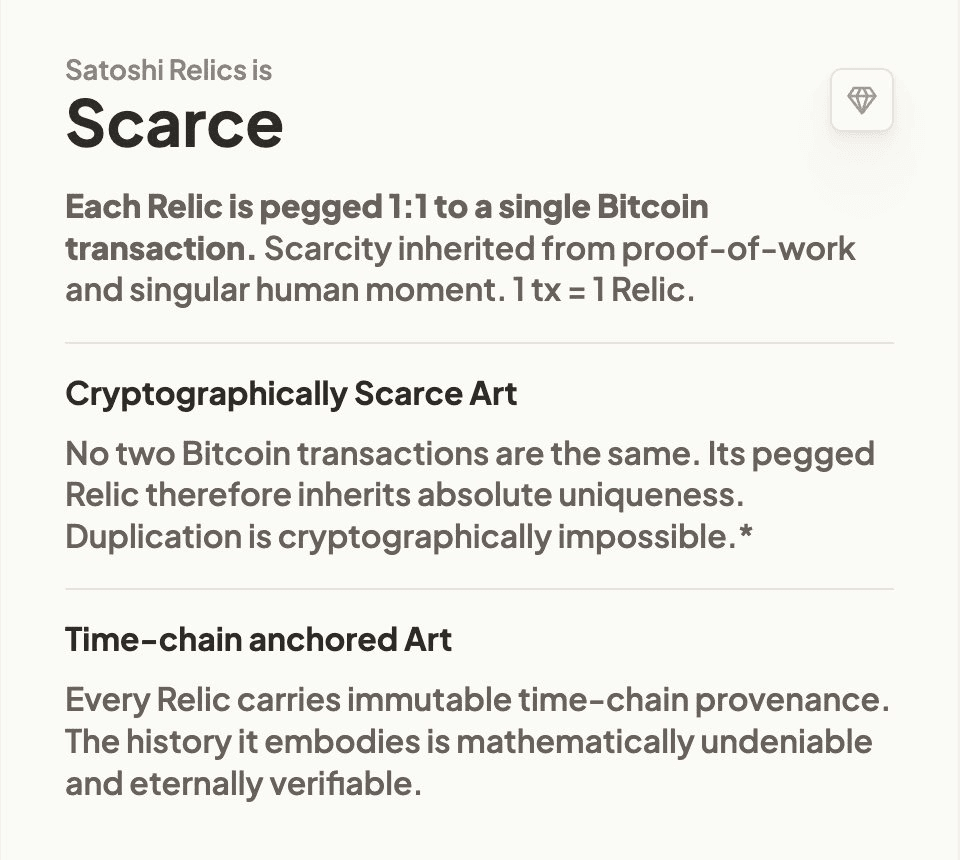
**Satoshi Relics** is a new project that converts individual Bitcoin transactions into unique digital artifacts preserved as Ordinals. **How it works:** - Each Relic is derived from a single Bitcoin transaction - The artwork inherits scarcity directly from proof-of-work energy expenditure - Energy spent on mining is permanently preserved as an on-chain artifact - Over 1.3 billion transactions are potential Relics **Current adoption:** - 97 of the first 100 coinbase transactions are now owned as Satoshi Relics - Each piece is generatively created from transaction data - The project aims to preserve Bitcoin's history in the hands of users The initiative treats Bitcoin's ledger as an authoring mechanism, turning transaction history into collectible one-of-one artworks that document the network's evolution.
Bitcoin Halving History Immortalized in On-Chain Art Collection
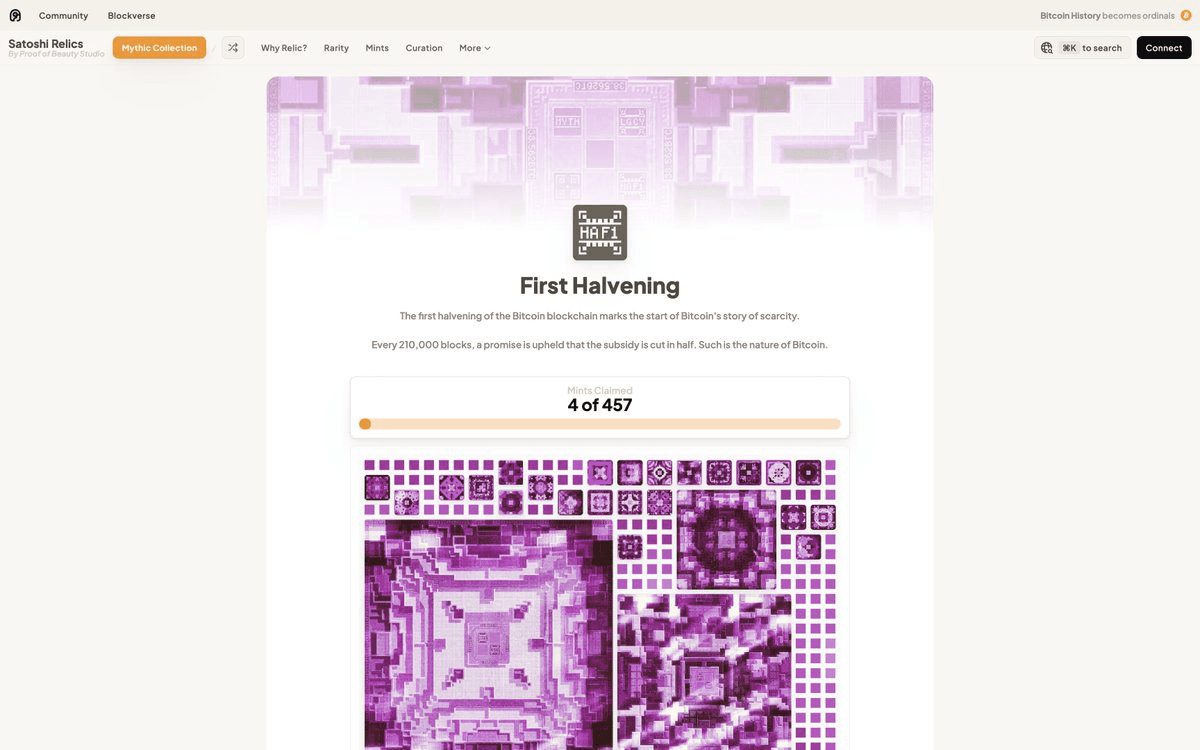
A new platform is transforming Bitcoin's historical transactions into generative art, focusing on significant blockchain moments. **Key Features:** - Mints available from Bitcoin's first 1,000 blocks - Curated collection of 457 transactions from block 210,000 (first halving event) - Includes Silk Road artifacts and early Bitcoin history - Blockchain explorer organizes blocks by transaction weight, highlighting larger transactions as "Relics" **How It Works:** Each transaction generates unique artwork with inspiration, colors, and artistic choices derived from the transaction data itself. The platform positions itself as a cultural archive, capturing the community's sentiment throughout Bitcoin's history. Explore the first halving collection at [pob.studio](http://www.pob.studio/c/first-half)
Satoshi Relics Launches Bitcoin Transaction Art Collection on January 27
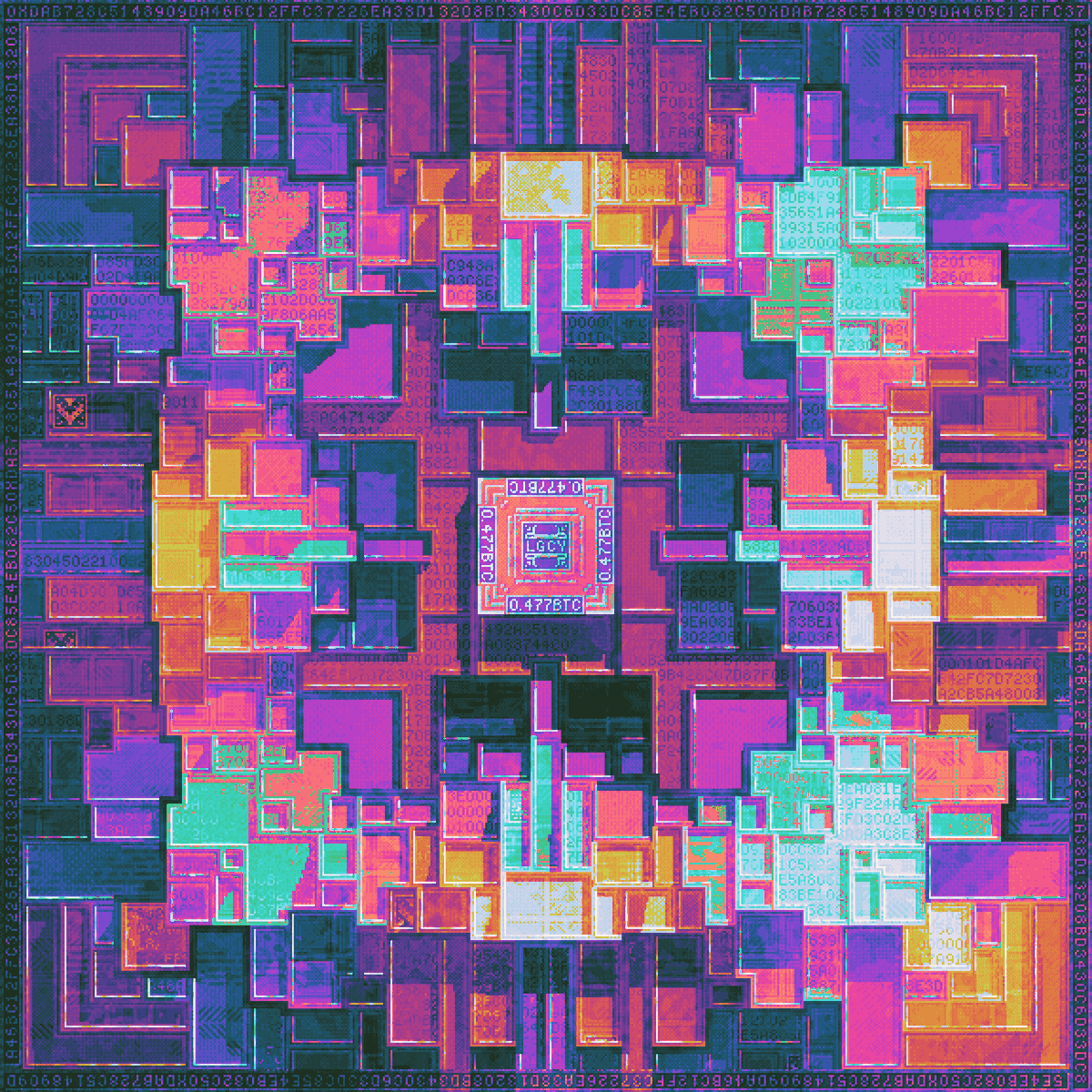
**Satoshi Relics** is launching a generative art collection on Bitcoin that transforms blockchain transactions into unique artworks. **Key Details:** - Mint date: January 27, 2026 at 10 AM PT - Art pieces generated from actual Bitcoin transaction data - Not pre-minted - each piece created on demand from transaction history - Part of the Ordinals ecosystem on Bitcoin **How It Works:** The project decodes Bitcoin transaction data and encodes it into visual pixels, turning the blockchain's 1.2 billion+ transactions into individual art pieces called "Relics." The team positions this as capturing Bitcoin's history through generative art, with each transaction becoming a unique artwork.
Hiraeth NFT Project Emphasizes Historical Context Over Artificial Scarcity
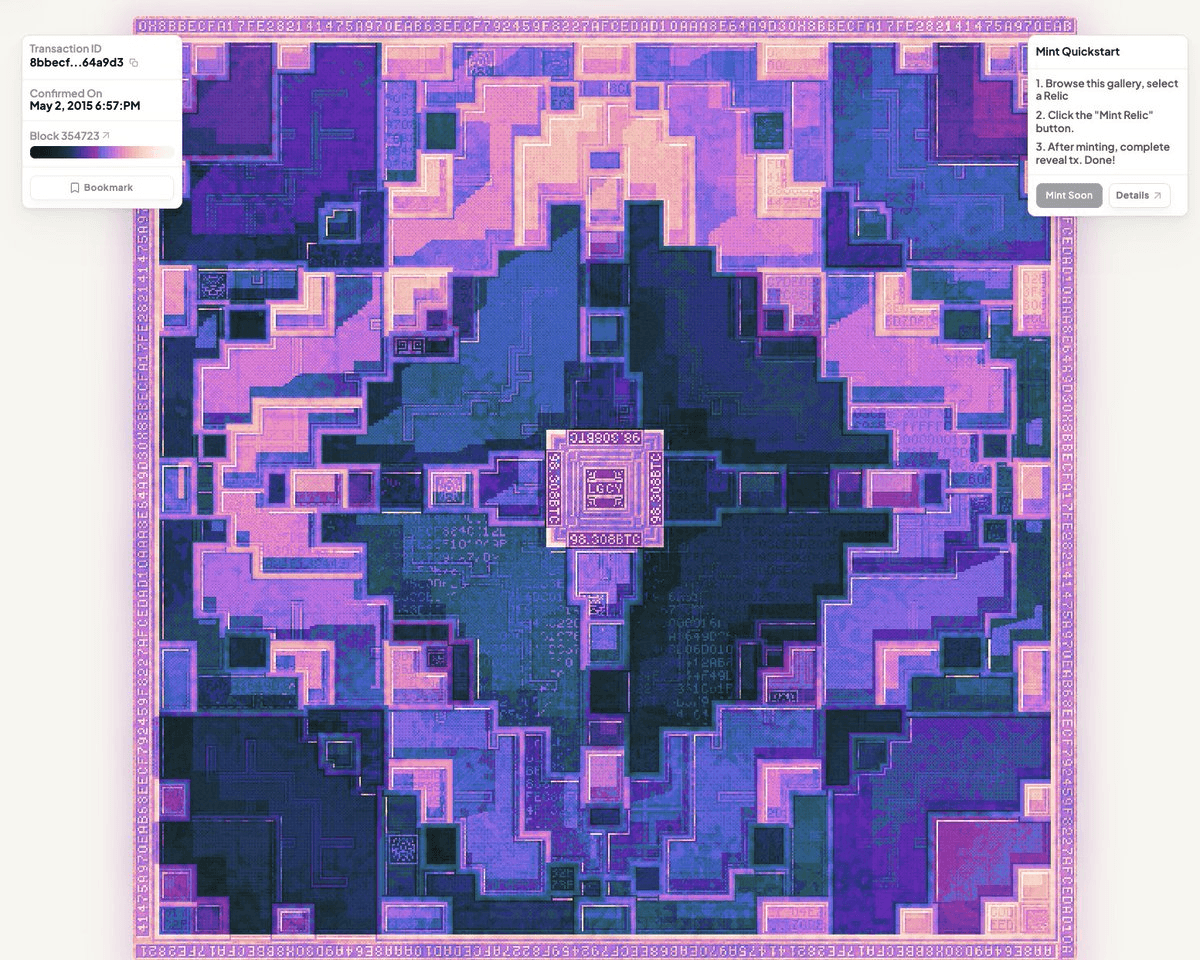
**Hiraeth**, an NFT project, positions itself as a collector of **crypto history** rather than another memecoin venture. The project emphasizes **real scarcity** through mathematical unrepeatable artifacts - once an NFT is minted, it cannot be minted again. This contrasts with artificially scarce projects. **Key features:** - Mints from **unrepeatable moments** in crypto history - Each artifact is **mathematically unique** - Focuses on **historical contextualization** - 41 days remaining to mint The project frames itself as collecting crypto history rather than "aping a floor," suggesting a focus on **historical significance** over speculative trading. Hiraeth appears to target collectors interested in **preserving crypto culture** and significant blockchain moments through generative art.