ETFs vs. Tokenization: The Next Evolution of Finance
ETFs vs. Tokenization: The Next Evolution of Finance
🥊 ETFs vs Tokenization


ETFs created a multi-trillion dollar industry - but what's next for asset management?
Centrifuge COO Jürgen Blumberg will debate this question at the RWA Summit mainstage alongside market leaders in a panel titled "ETFs vs. Tokenization."
Key advantages of tokenization over traditional ETFs:
- Always liquid - breaks the 9-to-5 market hours barrier
- Different liquidity profiles - not limited to liquid instruments only
- Fully backed fund tokens - direct access to underlying assets
Blumberg, an ETF veteran, sees tokenization as equally profound to the ETF revolution. The growing onchain investor ecosystem demands native digital assets, driving strong momentum for tokenized funds.
The long-term vision involves deconstructing the entire fund value chain - from issuance to reporting - and rebuilding it natively onchain for greater efficiency and transparency.

“There are tokens that are derivative structures and not fully backed by the underlying asset. Then there are fund tokens, like ours, that are fully backed, giving holders direct access to the assets. Just because something is called a token doesn’t mean it carries the same

After more than two decades scaling exchange-traded funds (ETFs) and capital markets businesses at Goldman Sachs, Invesco, and BlackRock, Jürgen Blumberg has joined Centrifuge as chief operating officer.Centrifuge is a DeFi platform for tokenizing... cryptonews.com/exclusives/cen…
Tokenization solves the key limitations of traditional ETFs. As our COO, Jürgen Blumberg, notes, tokenized assets break the 9-to-5 barrier by being "always liquid," unlike assets bound by market hours. Furthermore, while ETFs are limited to only "liquid instruments,"
ETFs created a multi-trillion dollar industry. What comes next? Our COO, Jürgen Blumberg, is gearing up to debate the future of asset management on the @rwasummit mainstage with market leaders. It's ETFs vs. Tokenization, a panel that will explore the next evolution of finance!

Multichain Fund Deployment Becomes Configuration Choice
Multichain deployment has evolved from a months-long custom bridging process into a simple configuration option. The new approach enables: - **Single operational layer** managing funds across multiple chains - **Unified management** of one fund deployed on different blockchains - **Simplified infrastructure** that eliminates complex bridging work This represents a shift in how institutional-grade blockchain infrastructure operates, moving from chain-specific custom development to standardized cross-chain deployment.
Tokenization Outlook 2026 Report Reveals Atlantic Divide in Industry Sentiment
A new industry report based on survey responses from 150 tokenization operators reveals a stark contrast between European and American perspectives on the sector's future. **Key findings:** - Survey data shows significantly different outlooks depending on geographic location - Private responses differ notably from public panel discussions - Report aggregates direct operator feedback rather than public statements The **Tokenization Outlook 2026** report will be released at the RWA Summit on March 31, offering data-driven insights into where the industry actually stands versus what's typically discussed at conferences.
🏦 U.S. Treasuries Go Multi-Chain as Collateral on Aave Horizon
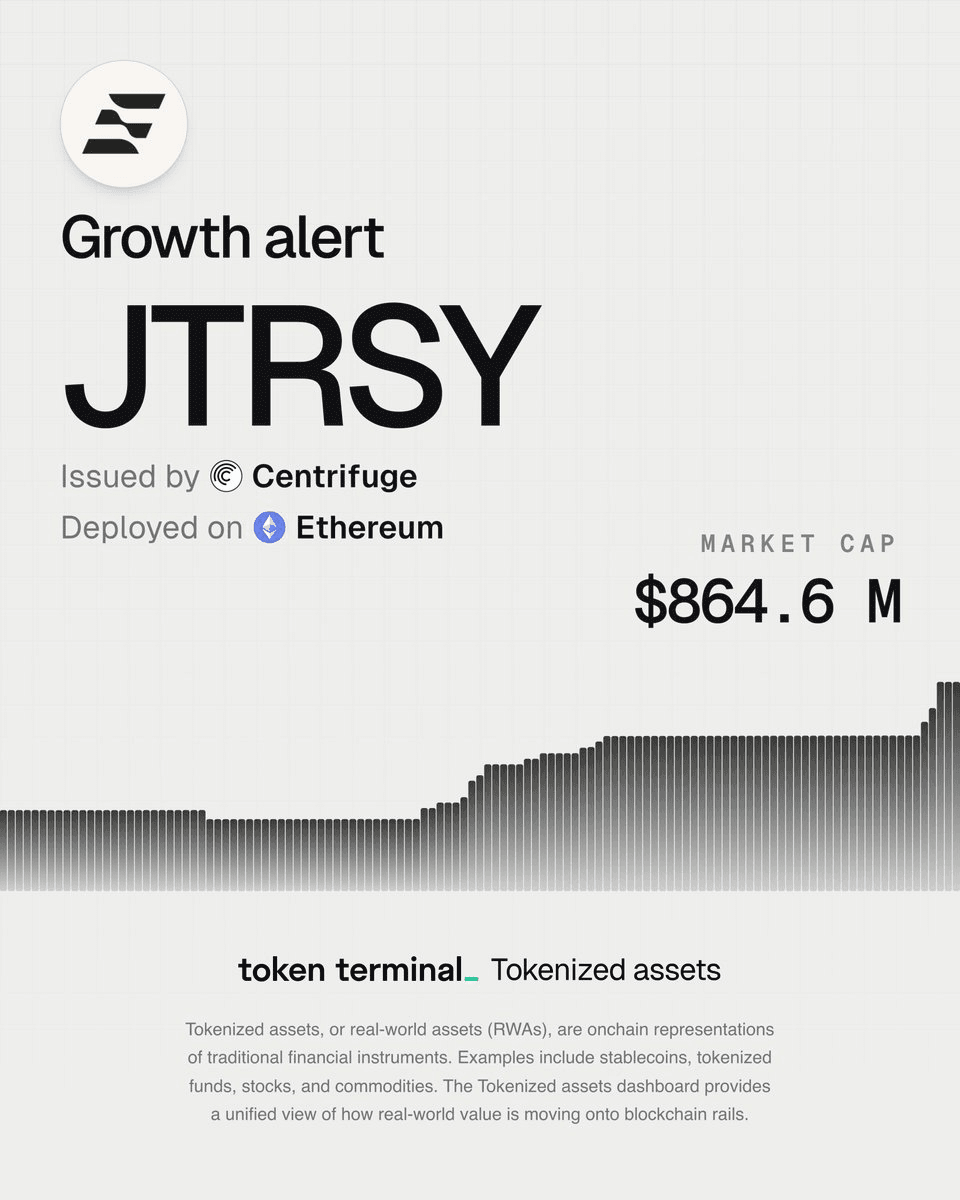
**JTRSY tokenized U.S. Treasuries are now available across multiple blockchains and can be used as collateral on Aave Horizon.** The move represents a shift from simple tokenization to practical utility. By enabling cross-chain availability and DeFi integration, JTRSY aims to expand distribution of Treasury assets beyond basic onchain representation. **Key developments:** - Multi-chain deployment of tokenized Treasuries - Integration as institutional collateral on Aave Horizon - Cross-chain liquidity through deJAAA The approach aligns with industry analysis suggesting that tokenized real-world assets need deep DeFi integration to reach their potential, rather than tokenization alone.
Centrifuge Partners with LayerZero for Cross-Chain Token Distribution
Centrifuge has announced integration with LayerZero to expand the reach of tokenized real-world assets across multiple blockchain networks. **Key Points:** - Centrifuge will use LayerZero's cross-chain infrastructure to distribute tokenized products across its ecosystem - The partnership aims to provide broader distribution and deeper utility for tokenized assets - LayerZero's omnichain technology enables seamless connectivity between different blockchain networks The collaboration positions Centrifuge's tokenization platform to access a wider market by leveraging LayerZero's interoperability solutions, potentially increasing liquidity and accessibility for real-world asset tokens.
Centrifuge Launches deRWA Tokens After Eight Years Building Tokenization Infrastructure
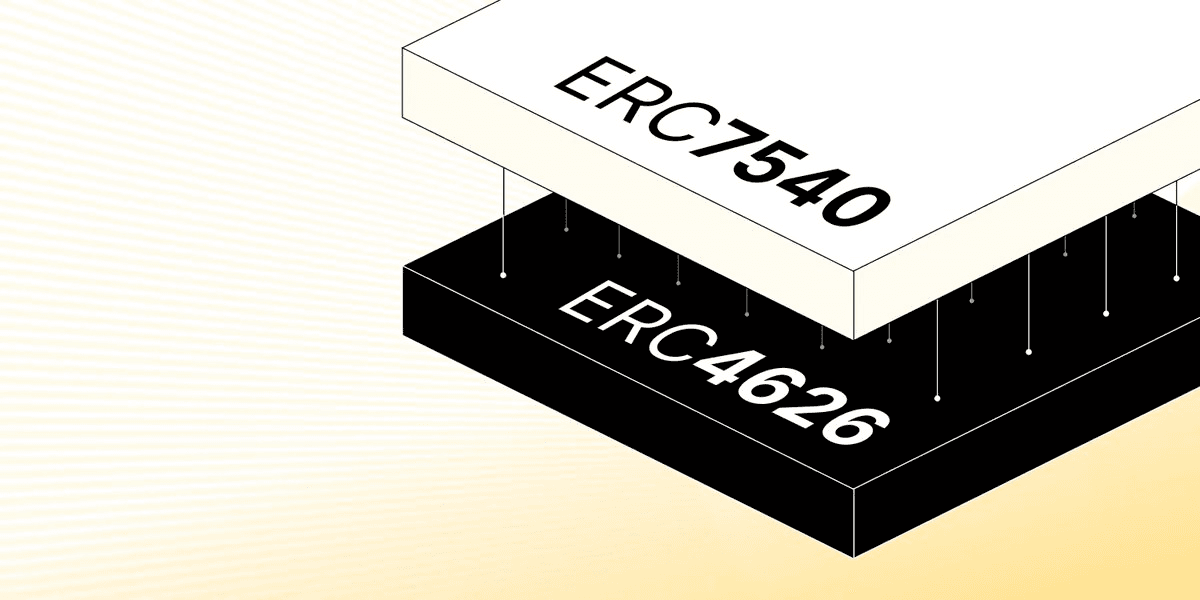
Centrifuge has introduced **deRWA tokens** in mid-2025, marking a milestone for the protocol that began building tokenization infrastructure in 2017. **Key developments:** - The platform now has **$1.3B in assets onchain** with active revenue generation - Operates a vault standard supporting treasuries, credit, and equities across 8+ chains - Recently deployed on HyperEVM, allowing tokenized assets to be deployed where RWA demand is growing Centrifuge started working on real-world asset tokenization before the broader market recognized the category. The deRWA token framework represents the technical evolution of this early infrastructure work. The protocol's expansion to Hyperliquid positions it to serve emerging demand for tokenized assets in that ecosystem. [Read the technical details](http://centrifuge.io/blog/centrifuge-derwa-tokens)