Decentralized Storage Explained Simply
Decentralized Storage Explained Simply
🔐 Where's Your Data Hiding?


Think of decentralized storage like having multiple copies of your diary hidden in different secret places, with only you holding the special key. Instead of keeping everything in one spot (like traditional storage), your data is split up and stored across many locations.
- Your information stays private and secure
- Only you control access to your data
- No single point of failure
- Similar to having multiple backups
This approach ensures your messages and data remain safe from unauthorized access while staying accessible to you. SendingMe implements this technology to protect user communications.

Decentralized storage, explained like you're 5: Your diary is locked away in multiple secret hideouts—only you have the key! On SendingMe, your messages stay safe, private, and out of anyone else’s control. Chat securely: chat.sending.me/i/qqztX
SendingMe Enables Communication for 1.5 Billion People Without Phone Numbers
**SendingMe offers wallet-based communication without traditional barriers** The platform addresses a critical gap for over 1.5 billion people worldwide who lack stable phone numbers. Users can access the service through: - Wallet-native identity (no SIM card needed) - No carrier requirements - No country restrictions This approach removes traditional barriers to digital communication, making the platform accessible globally regardless of telecommunications infrastructure. The wallet-based system provides an alternative identity layer for messaging and connectivity, particularly relevant for populations in regions with limited mobile network access or those without traditional phone service.
Privacy Evolution: From Hiding Messages to Verifying Identities in Decentralized Communication
The privacy landscape is shifting from concealment to **identity verification**. Traditional messaging focuses on hiding content, but the new approach emphasizes confirming who's actually sending messages. **Key developments:** - Privacy now means verifying sender authenticity - Decentralized messaging platforms enable user-controlled trust - Focus shifts from hiding to proving identity This represents a fundamental change in how we think about secure communication. Instead of just encrypting messages, platforms now prioritize letting users verify the source. **Why this matters:** - Reduces impersonation and fraud - Builds genuine trust networks - Puts control back in users' hands Decentralized messaging solutions are emerging as the foundation for this new privacy model, where users own their trust relationships rather than relying on centralized authorities. Ready to experience verified communication? [Explore decentralized messaging](https://chat.sending.me)
SendingMe Launches Split Bills Feature for Group Expenses
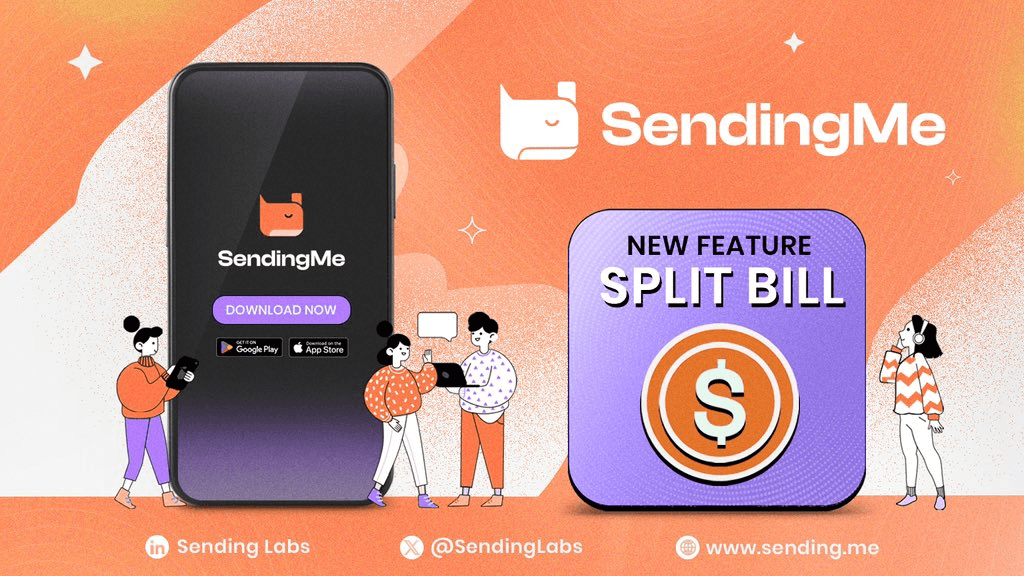
SendingMe introduces a new Split Bills feature to simplify group expense management. The tool eliminates the hassle of tracking individual payments for shared expenses like dinners, trips, and events. Key features: - Automatic bill splitting - Fair share calculation - Integrated payment tracking This release follows their recent Poll feature launch, which helps groups make collective decisions. Try Split Bills: [SendingMe](https://chat.sending.me/i/qqztX)
SendingMe Launches In-Chat Crypto Trading Feature
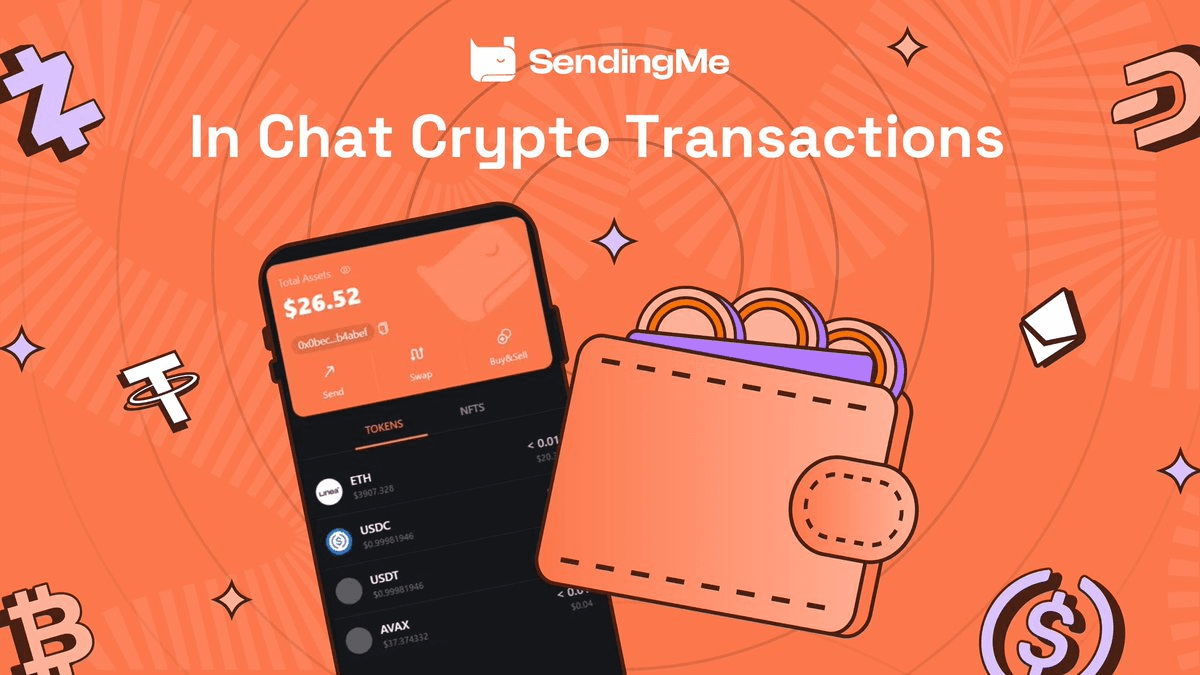
SendingMe has introduced a new feature enabling direct crypto transactions within chat conversations. The system allows users to: - Send and receive cryptocurrencies instantly during chats - Transfer tokens and NFTs securely - Complete transactions as easily as sending a message The platform emphasizes security and simplicity, treating crypto transfers like passing digital assets in a sealed envelope. Users maintain full control over their transactions while enjoying seamless integration with their conversations. Try it here: [SendingMe](https://chat.sending.me/i/qqztX)