Curio Cards: Artist-First Model Since 2017
Curio Cards: Artist-First Model Since 2017
🎨 Artists got 100%

Curio Cards pioneered an artist-first approach in crypto art, prioritizing community support over profit extraction.
Key principles:
- 100% of initial sales (2017) went directly to artists
- 100% of royalties (since 2021) continue going to artists
- Created to spread crypto awareness, not extract value from newcomers
The vision was clear: support digital artists while introducing people to cryptocurrency through accessible art, rather than treating collectors as revenue sources.
This model set Curio Cards apart from other early crypto projects and established a standard for artist compensation in the emerging NFT space.

No project like Curio Cards existed when it launched on Ethereum in 2017 And no project like it has existed since 31 Cards 7 digital artists Every artist style completely unique Founded by Bitcoin OGs To bring the gallery art show experience on-chain The first crypto art
Curio Cards will survive a meteor striking earth In 2021, Curio Cards and a handful of notable NFT projects were stored in the Arctic World Archive, in Longyearbyen, Norway The AWA is a former underground coal mine now serving as a vault for preserving humanity's artifacts

After the art show the Curio Cards founders organized in 2016, they started thinking about how to introduce art to Ethereum One idea learned from the show was the "print model" The founders realized the art that did the best was low cost, and featured many "prints" or copies

More on Curio Cards in the AWA medium.com/@curiocards/cu…
Curio Cards was made to support artists and spread awareness of crypto not extract value from newcomers or the existing crypto community In 2017, 100% of sales went to the artists And since 2021, 100% of the royalty goes to them too
Curio Cards 11–19 all feature pro-Bitcoin motifs, while Card 20 features Mad Bitcoins Even though Curio Cards launched on Ethereum in 2017, it was still important for the founders and early artists to represent Bitcoin


Curio Cards launched on Ethereum May 9, 2017 That's five days after ENS Six weeks before CryptoPunks Nine weeks before Binance Seven months before OpenSea Seventeen months before Uniswap And nine and a half years before GTA 6 (probably)
No other collection in NFTs features Physical art turned digital Early Bitcoin art Photoshop clip art and memes A Patreon-style experiment Cartoon portraits of the founders The first dogs on Ethereum A commemoration of an eclipse with the supply to match the date Curio Cards is
Curio Cards was the highest selling art collection on OpenSea in 2021 and '22 To this day, we've done over 41,300 ETH in trading volume — approaching 100 million dollars, depending on the price of ETH

Early collectors get rewarded Curio Cards were 0.0025 ETH to mint in 2017 In 2021, a full set sold for 393 ETH (!) The beautiful part? We're still early: As the digital world gradually moves on-chain, the first, prized assets will continue to become more valuable

Curio Cards pioneered promoting artists on ethereum
🎨 Café Strangers Created Art Now Worth Millions at Christie's
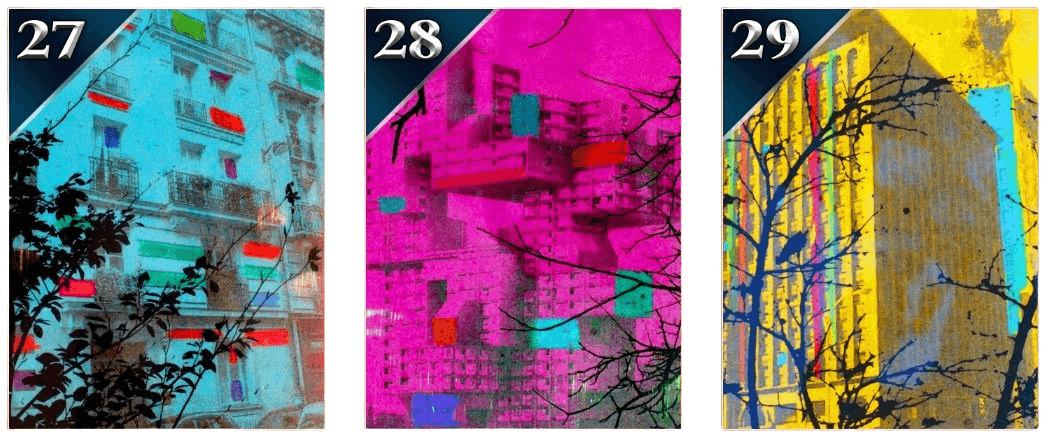
In 2016, artist Max Infeld gathered strangers in a San Francisco café to color in building images using cheap materials like foamcore and acetate. This collaborative experiment became the **Marisol Vengas Curio Cards**—the first social engagement art project on Ethereum. **The Process:** - Thousands of building images were generated and colored by community members - Images were paperclipped with branches, mounted on foamcore, and taped together - Physical pieces were then minted as NFTs on Ethereum **Three cards emerged:** - **Card 27 (Blue)**: 562 in circulation - **Card 28 (Pink)**: 377 in circulation - **Card 29 (Yellow)**: 88 in circulation Yellow has sold for over 150 ETH, with private offers exceeding $1 million for the original physical piece. The collection later appeared at Christie's, proving that collaborative, accessible art created with humble materials could achieve significant cultural and financial value. This pioneering project demonstrated a new model: community-driven generative art where each participant contributed to the final work's creation.
Curio Cards: The Forgotten Pioneer That Predated CryptoPunks
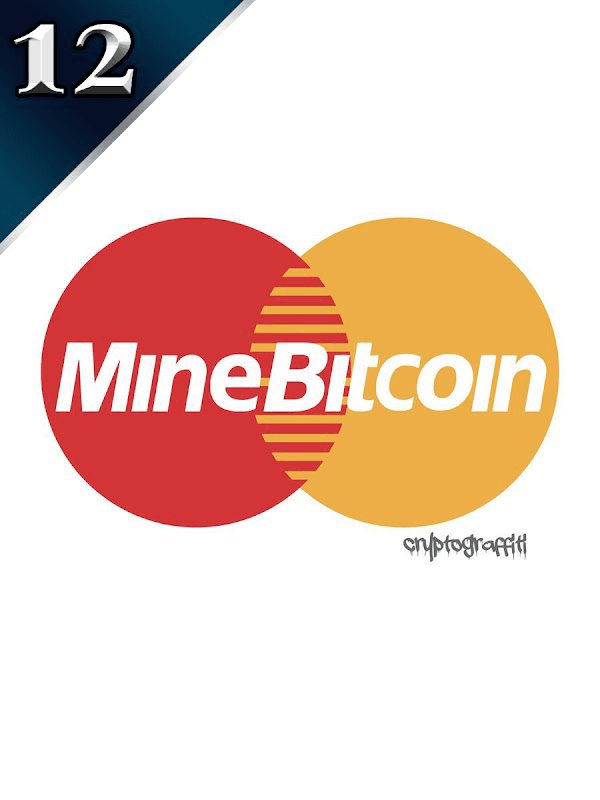
Curio Cards launched on Ethereum on May 9, 2017, making it one of the earliest NFT projects in the ecosystem. **Timeline context:** - 5 days after ENS - 6 weeks before CryptoPunks - 9 weeks before Binance - 7 months before OpenSea - 17 months before Uniswap The project featured Cards 11-19 with pro-Bitcoin motifs and Card 20 featuring Mad Bitcoins, reflecting the importance of Bitcoin to the founders despite launching on Ethereum.
NFT Artists Bridge Digital and Physical Worlds Through Book Publishing
**NFT artists are increasingly turning to traditional book publishing** to give their digital creations lasting physical form. - CryptoArtists are exploring new ways to preserve and showcase their work beyond digital platforms - SuperRare is developing an **artist book library** to support this transition - The trend represents a hybrid approach combining digital ownership with tangible art forms This movement allows collectors to experience NFT art in both digital and physical formats, creating **dual value propositions** for artists and buyers. The shift demonstrates how the NFT space continues evolving beyond purely digital experiences.
Only Four Art Projects Referenced in ERC-721 NFT Standard
The **ERC-721 standard** that defined NFTs references only four pioneering art projects: - **Curio Cards** - **CryptoKitties** - **CryptoPunks** - **Rare Pepe** **Curio Cards** played a particularly significant role in shaping modern NFT development. Their early innovation directly informed the creation of the Ethereum ERC-721 framework. This small group of projects laid the foundation for today's entire NFT ecosystem, demonstrating how a handful of early experiments became the building blocks for a multi-billion dollar market.