🚨 Bangladesh Election Site Exposed 14,000 Journalists' Data Through Basic URL Trick
🚨 Bangladesh Election Site Exposed 14,000 Journalists' Data Through Basic URL Trick
🔓 Admin access via URL

The Breach
Bangladesh's Election Commission leaked personal data of approximately 14,000 journalists through a new accreditation website. The exposed information included photos, signatures, ID documents, and phone numbers.
How It Happened
The vulnerability was shockingly simple: changing "user" to "admin" in the website's URL granted access to complete application files. No sophisticated hacking required - just basic URL manipulation.
The Damage
- Personal information exposed for 2 hours
- Data could be downloaded, copied, or archived during exposure window
- Demonstrates rushed government digital systems lacking basic security
Key Takeaway
This incident highlights how even official government platforms can fail at fundamental security. When institutions rush digital infrastructure without proper testing, your personal data becomes vulnerable.
Protect Yourself
- Use VPNs when submitting sensitive information
- Maintain strong, unique passwords
- Question whether mandatory digital forms are truly necessary
- Assume any data you submit online could potentially be exposed

🚨 Bangladeshi Election Commission just messed up big time. A new site for journalist accreditation leaked personal data of ~14,000 journalists - photos, signatures, IDs, phone numbers. How? A simple change in the website’s URL, replacing the word “user” with the word
🚨 European Commission Staff Data Exposed in Hours
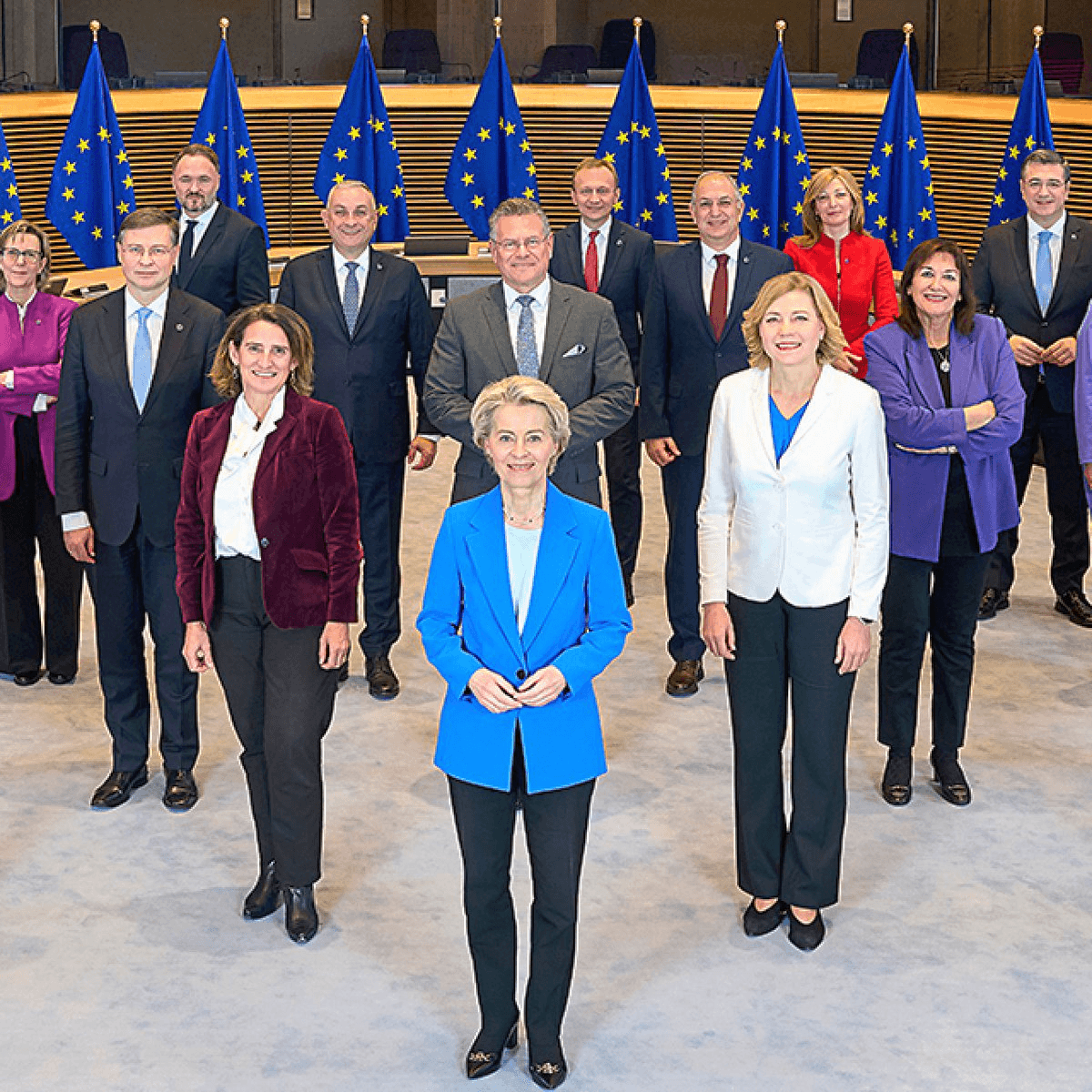
**European Commission security breach exposes staff information in under 9 hours** A data leak has compromised the names and phone numbers of European Commission staff members in less than 9 hours. The incident highlights ongoing vulnerabilities in government digital systems. **Key concerns:** - Personal information of government employees exposed - Rapid breach timeline suggests systemic security weaknesses - Follows similar incident in Bangladesh where journalist data was leaked through simple URL manipulation **Pattern of government data failures:** This breach mirrors a recent Bangladesh Election Commission incident where 14,000 journalists' personal data—including photos, signatures, IDs, and phone numbers—was exposed for 2 hours through basic URL tampering. **Protection measures:** - Use VPNs for secure browsing - Implement strong passwords - Question mandatory digital data collection - Consider decentralized privacy tools The incident underscores the risks of rushed digital infrastructure deployment without adequate security protocols.
Harvard and UPenn Donor Data Leaked After Refusing Ransom
Hackers published over 2 million records from Harvard and UPenn after both universities declined to pay a ransom. The breach exposed: - Email addresses and phone numbers - Home and business addresses - Donation details and biographical information - Internal donor database documents **The attack method**: Social engineering tactics like fake phone calls and credential manipulation - no sophisticated malware required. This breach follows recent incidents including 29.8 million SoundCloud accounts exposed in December 2025 and 150 million logins leaked across Gmail, Facebook, Instagram, and Netflix. The Harvard-UPenn case demonstrates that even institutions with robust security teams remain vulnerable to basic social engineering attacks. [Read the full breakdown](http://mysteriumvpn.com/blog/news/harvard-upenn-data-leak)
🚨 The Gated Internet Arrives
**2026 marks enforcement year for age verification laws** that swept the U.S. and UK in 2025. The open internet is rapidly transforming into a surveilled space requiring: - Mandatory ID checks - Facial scans - Location tracking - Continuous monitoring What was borderless is now walled and watched. **Privacy tools like VPNs, proxies, and encryption** aren't workarounds—they're essential shields for maintaining digital freedom. This shift follows a pattern: Spain banning social media for under-16s, France targeting VPNs after blocking platforms for under-15s, and Austria implementing ID verification. The UK plans VPN restrictions for under-18s, while platforms like Minecraft, Roblox, and TikTok now demand ID scans just to access basic features. **The concern**: Age verification systems require everyone to prove identity, creating massive databases of personal data vulnerable to breaches. Kids bypass these systems easily, while adults lose anonymity. Stay informed and protect your access to an open internet.
EU Court Adviser Rules VPNs Are Neutral Tools, Not Copyright Violators
An EU court adviser has ruled that geo-blocking doesn't need to be unbreakable and that neutral tools like VPNs shouldn't be held liable by default. The case emerged when a Dutch foundation published Anne Frank manuscripts online with geographic restrictions, and rights holders argued VPNs made this illegal. **Key implications:** - Could slow the push for mandatory ID checks and surveillance - May prevent overly strict digital borders - Protects internet freedom for streaming, students abroad, and privacy advocates The ruling establishes that technology providers aren't automatically responsible for how users employ their tools, setting an important precedent for digital rights in the EU. [Read the full analysis](https://www.mysteriumvpn.com/blog/news/eu-court-backs-vpn-neutrality)
🎮 Turkey's Gaming Crackdown Could Erase 60% of Steam Library
Turkey's proposed gaming regulation threatens to upend digital access for 47 million gamers. **What's happening:** - Draft law would require Steam, Epic, PlayStation, and Xbox to establish local offices - Platforms must comply with age ratings and ambiguous cultural guidelines - Non-compliance could result in fines, throttling, or content bans - Up to 60% of Steam's game library may disappear **The real risk:** Major platforms might exit Turkey entirely rather than comply. This would mean: - Loss of digital game libraries - Erased progress and achievements - No access to purchased content While framed as child protection, the law represents expanded government control over digital spaces. The vague "cultural rules" give authorities broad discretion to restrict content. **Broader implications:** This highlights a growing trend where platforms can silently filter speech and alter purchased content. Gaming serves as a clear example of how conditional digital ownership has become—what you "own" can vanish based on regulatory decisions. Turkish gamers face potential overnight loss of their digital collections, with no clear recourse or compensation.