Azuro Launches Design-First DeFi Development Platform
Azuro Launches Design-First DeFi Development Platform
🎨 Design First, Code Later


Azuro introduces a revolutionary approach to DeFi development, prioritizing design over code. The platform offers three build paths:
- Low-code Path: For JS developers, complete builds in under 24 hours
- SDK-based Option: Tailored for React developers using wagmi and ethers.js
- Advanced Custom Build: Full flexibility with GraphQL/Web3 integration
Each path provides access to Azuro's core infrastructure and on-chain liquidity pool. The platform includes comprehensive documentation, smart contract integration, and subgraph support.
Resources:

Most DeFi projects start with code. Azuro lets you start with design. Launch an app - not just a contract. Go live in a weekend ☀️

Prediction Markets Becoming Default Discovery Layer for Information

**Prediction markets are evolving beyond betting** into a core information discovery mechanism. - People increasingly check **real-time odds before reading news** - Markets surface expectations **faster than narratives form** - This creates a new **default layer for discovering what matters** The shift represents prediction markets becoming **embedded infrastructure** rather than standalone platforms. Real-time odds are positioning themselves as the primary filter for information relevance. This evolution transforms how we **consume and prioritize information** - moving from narrative-driven discovery to expectation-based filtering.
Multi-Signature Security Setup Requires Multiple Keys for Transaction Approval

A **multi-signature security system** is being implemented that requires multiple keys to approve transactions before any funds can move. This setup ensures that: - No single person can authorize transactions alone - Multiple parties must collaborate to approve any movement of assets - Enhanced security through distributed control The system appears to be part of ongoing infrastructure development, with hints suggesting something is "waiting to be unlocked" once the proper keys are obtained.
🇯🇵 Yen Funding Crisis
**Rising Japanese yields are disrupting the global carry trade**, potentially triggering massive capital flows back to Japan. For years, investors borrowed yen at ultra-low rates to fund investments worldwide. Now, as **funding costs climb**, this cheap money may reverse course. Key impacts: - Tightening liquidity across all risk assets - Pressure on crypto markets - Potential unwinding of leveraged positions Short-term Japanese yields hit **2008 highs**, strengthening the yen and already pressuring crypto during Asian trading hours. The carry trade unwind could reshape global markets as **trillions in borrowed capital** seeks higher-yielding Japanese assets.
🇧🇷 Brazil's Stablecoin Takeover

**Brazil's crypto landscape has shifted dramatically** - stablecoins now account for approximately **90% of the country's total cryptocurrency trading volume**. This dominance represents a significant change in how Brazilians interact with digital assets, moving away from speculative trading toward more stable, utility-focused cryptocurrency use. **Key implications:** - Stablecoins are becoming the primary crypto rails in Brazil - This shift suggests growing preference for price stability over volatility - Could indicate broader adoption for payments and remittances The trend raises interesting questions about **predictive market potential** - stablecoin flow patterns and velocity could potentially serve as early economic indicators, revealing market sentiment and capital movements before traditional metrics catch up. Brazil's experience may preview similar adoption patterns in other Latin American markets facing currency instability.
S&P Downgrades USDT to Lowest Rating Despite Tether's Treasury Holdings
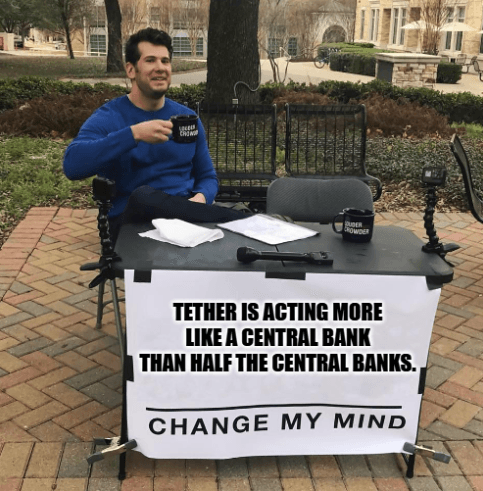
**S&P Global has downgraded Tether (USDT) to its lowest stability rating**, citing concerns over: - Bitcoin exposure in reserves - Gold holdings and loan positions - Limited transparency in audits - Governance issues **Tether strongly disputes the downgrade**, highlighting that: - 75% of reserves are held in US Treasuries - Company ranks as 17th-largest Treasury bill holder globally - Reserve composition has become more conservative The conflicting perspectives raise questions about **stablecoin risk assessment standards** and whether traditional rating agencies fully understand crypto asset backing structures. This downgrade could impact institutional adoption and regulatory discussions around stablecoins.