Aave Launches Redesigned App to Bridge DeFi's User Experience Gap
Aave Launches Redesigned App to Bridge DeFi's User Experience Gap
🎨 Aave's UX Overhaul

Aave has released a redesigned application aimed at addressing DeFi's longstanding user experience challenges. While traditional fintech has prioritized simplicity and intuitive design, DeFi platforms have struggled to match this accessibility.
The new Aave App focuses on:
- Consumer-friendly interface design
- Simplified interaction with DeFi protocols
- Lowering barriers for mainstream adoption
The redesign represents Aave's strategy to onboard the next wave of users by making decentralized finance more approachable. The team acknowledges that bringing millions of users onchain requires applications that match the usability standards set by conventional financial technology.
Read the full details: Aave App reimagines DeFi experience

Bringing millions of users onchain requires consumer-friendly applications. Read more on how Aave App reimagines the DeFi experience: aave.com/blog/aave-app-…
While the fintech sector has relentlessly pursued simplicity and intuitive design, DeFi has fallen behind in user experience. Aave App is designed to fix this and onboard the next million users.

Aave Labs Proposes Dedicated V4 Bug Bounty Program on Sherlock
Aave Labs has put forward a proposal to launch a dedicated bug bounty program for Aave V4 on Sherlock. The initiative aims to establish an always-on security reporting channel with a triage system designed to filter spam and prioritize high-severity reports. **Key Details:** - Sherlock has previously collaborated with Aave contributors on V3 and early V4 security work - The partnership has established shared standards for reporting, triage, and escalation - A full transparency report on Aave V4's security program has been published, highlighting the protocol's security-first approach The proposal includes commercial and operational structure details available in the [governance forum](https://governance.aave.com/t/temp-check-aave-v4-bug-bounty-program-on-sherlock/24239). Aave V4 was built with layered security controls from initial architecture through post-audit validation. More information on the security-by-design approach can be found [here](https://governance.aave.com/t/security-by-design-aave-v4/24224).
Aave Introduces Earnings Simulation Tool for Savings Planning
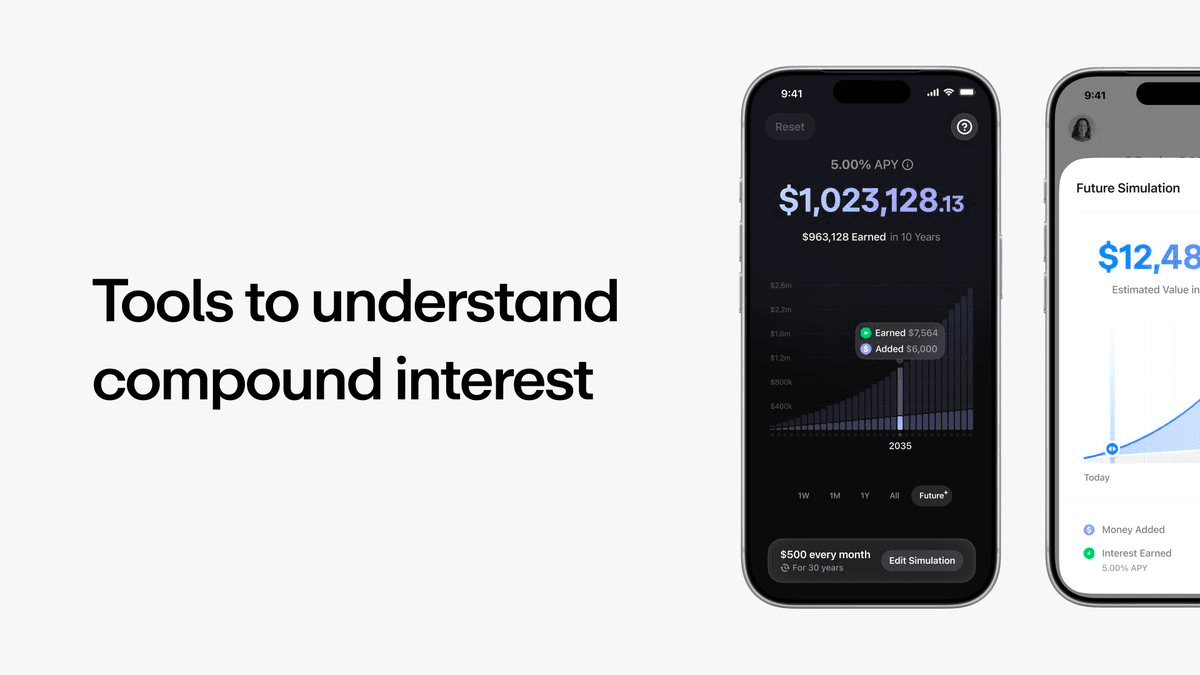
Aave has launched a **simulation feature** that transforms its savings interface into a comprehensive financial planning tool. **Key Features:** - Project earnings over custom time periods - Turn basic savings into goal-oriented planning - Complements existing dashboard showing complete savings breakdown - Track projected returns on weekly, monthly, or yearly basis The tool allows users to model potential returns across all their positions, helping them make more informed decisions about their DeFi savings strategy. This builds on Aave's recent dashboard updates that provide detailed breakdowns of savings positions. Users can now visualize how their deposits might grow over time, making it easier to plan for specific financial goals within the protocol's non-custodial framework.
🔍 Aave V4 Opens Security Review
**Aave V4** has entered its **open security review phase** on Sherlock DeFi, marking a key milestone in the protocol's development. The review invites participation from: - Previous Aave auditors - Developers familiar with lending-pool mechanics - Security researchers interested in DeFi protocols This follows Aave Labs' September roadmap announcement, which outlined the final stages before V4's launch including public documentation, testnet deployment, and codebase release. The open review represents a **community-driven approach** to protocol security, allowing experienced auditors to contribute to one of DeFi's most significant upgrades.
Sherlock Audit Contest 1209 Now Live
A new audit contest is available on Sherlock's platform. Security researchers and auditors can participate in **Contest 1209** to identify vulnerabilities and earn rewards. - Contest accessible at [Sherlock platform](https://audits.sherlock.xyz/contests/1209) - Open for community participation - Part of ongoing security review process This follows previous contest activity, indicating continued focus on protocol security through community-driven auditing.